Sing any song you know and love
Choose a favorite song, practice singing it with clear words and expression, and perform for family or record a short safe audio or video.



Step-by-step guide to sing a song you know and love
First Singing Lesson for Kids- Solfege Lesson 1
Step 1
Choose your favorite song to sing.
Step 2
Find the lyrics of your chosen song.
Step 3
Listen to the song once to learn the melody and rhythm.
Step 4
Warm up your voice by humming for one minute.
Step 5
Practice singing one verse slowly while saying each word clearly.
Step 6
Practice the chorus with big feelings and expression.
Step 7
Decide on one simple movement or gesture to add while you sing.
Step 8
Pick a quiet comfy spot to be your performance stage.
Step 9
Place a water bottle nearby so you can sip if your throat gets dry.
Step 10
Perform the whole song from start to finish for your family.
Step 11
Or record a short safe audio or video of your performance.
Step 12
Listen to the recording or ask your family for one tip and make one small improvement.
Step 13
Share your finished creation on DIY.org
Help!?
What can we use if we don't have a device to play the song or record our performance?
If you don't have a music player or recording device, use printed or handwritten lyrics (step 2), learn the melody by having a family member hum it once for you (step 3), and ask that family member to record your performance on their phone for step 11.
My child keeps forgetting words or running out of breath—what should we try?
Have them hum for one minute to warm up (step 4), practice the verse slowly while saying each word clearly (step 5), and keep the water bottle nearby (step 8) so they can sip during rehearsals and before the full performance (step 11).
How can we adapt this activity for different ages?
For ages 3–5, pick a very short familiar chorus and have a parent hold the lyrics and help with humming and gestures (steps 2–6); for ages 6–9, practice one verse slowly, add a simple movement (steps 5–6) and perform for family (step 11); for ages 10+, record a full performance, listen back for one improvement (step 12) and focus on big expression in the chorus (step 6).
How can we make the performance more creative or shareable?
Make a simple costume or prop for your chosen movement (step 6), create or find a backing track using a free app before recording (step 11), and upload the polished recording to DIY.org with a note about the improvement you made after listening back (steps 12–13).
Watch videos on how to sing a song you know and love
Teach Yourself to Sing in 10 Easy Steps
4 Videos
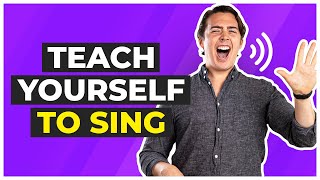
Teach Yourself to Sing in 10 Easy Steps
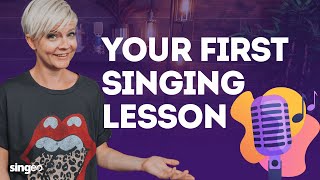
Your First Singing Lesson (Beginner Vocal Exercise)
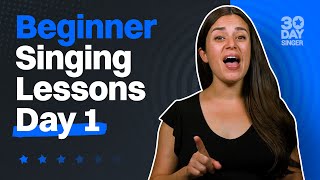
Vocal Lessons - Day 1 - Singing Lessons For Beginners | 30 Day Singer
How to Sing for Beginners: 7 Easy Tips to Start Now
Facts about singing and vocal practice for kids
🎵 The oldest song ever found with musical notation is the Hurrian Hymn No. 6, carved on a clay tablet around 1400 BCE.
🎤 Karaoke was popularized in Japan in the 1970s and is often credited to musician Daisuke Inoue, turning sing-alongs into a global hobby.
🗣️ Clear singing combines good breath control and articulation—practicing slowly helps you sing words everyone can understand.
😊 Singing, especially with others, can boost mood and reduce stress by releasing endorphins and social bonding hormones.
📱 Recording your performance (audio or video) is a powerful practice tool—playback helps you notice what to improve and builds confidence.
How do I help my child choose, practice, and perform a favorite song at home?
What materials and equipment do I need to practice or record my child's song?
What ages is this singing and recording activity suitable for?
What are the benefits of this singing activity and what safety tips should I follow?
