Share a song you had fun singing
Choose a song you had fun singing, practice a short performance, record or perform it for family or class, and explain why it was enjoyable.


Step-by-step guide to share a song you had fun singing
First Singing Lesson for Kids- Solfege Lesson 1
Step 1
Choose one song that you had fun singing.
Step 2
Pick a short section of the song to perform about 30 to 60 seconds long.
Step 3
Go to a quiet space where you can practice without distractions.
Step 4
Do a simple vocal warm up like humming for 30 seconds.
Step 5
Sing the chosen section slowly while reading the lyrics to check for tricky words.
Step 6
Sing the same section while looking in the mirror to practice facial expressions and eye contact.
Step 7
Choose one prop or one simple movement to use during your performance.
Step 8
Rehearse the section twice using your prop or movement and the same ending gesture each time.
Step 9
Decide on one or two sentences that explain why the song is fun for you.
Step 10
Perform or record your short performance for your family or class.
Step 11
After your performance tell your audience your one or two sentence explanation of why the song is enjoyable.
Step 12
Share your finished performance and explanation on DIY.org.
Help!?
What can we use instead of a mirror, prop, or recording device if we don't have them?
Use a window or shiny appliance for the 'look in the mirror' step, pick a small household item (like a spoon or hat) as your prop, and use a phone's voice memo or ask a grown-up to video the 'perform or record' step so you can still upload to DIY.org.
I'm getting stuck on tricky words or losing my place—what should I do during practice?
Follow the instructions to sing the section slowly while reading the lyrics, mark and break tricky words into syllables, use the 30-second humming warm-up before each run, and rehearse the problem lines during the two rehearsals with your prop or movement.
How can I adapt this activity for younger children or older kids wanting more challenge?
For younger kids, shorten the performance to 15–30 seconds, choose a very simple song, and have a parent help with the mirror and recording, while older kids can extend to 60 seconds, add harmony or more complex movement during the rehearsals, and polish the video before sharing on DIY.org.
How can we make the performance more memorable or personal?
Personalize it by choosing a prop or costume that matches the song, practice a consistent ending gesture during your two rehearsals, record several takes to pick your favorite, and include your one- or two-sentence explanation about why the song is fun when you post to DIY.org.
Watch videos on how to share a song you had fun singing
How To Teach the Super Simple Song "My Happy Song" - Fun Call-And-Repeat Song for Kids!
4 Videos
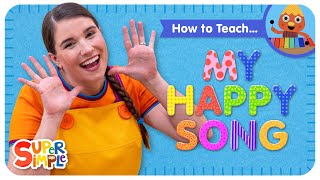
How To Teach the Super Simple Song "My Happy Song" - Fun Call-And-Repeat Song for Kids!
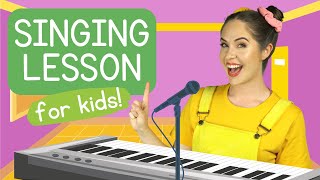
Singing Lesson for Kids

Fun Vocal Exercises For Kids Choirs | Singing Warm Up With Yummy Foods!
How To Teach the Super Simple Song "What's Your Name?" - Hello Song for Kids!
Facts about singing and performance for kids
🎤 Karaoke began in Japan in the 1970s and the word literally means "empty orchestra."
🎶 Singing releases endorphins and can help you feel happier and less stressed.
👥 Singing with others boosts social bonding — group singing can increase oxytocin and make people feel closer.
🎧 Recording and listening back to your practice helps you hear tiny details you might miss while singing.
🕒 Even a short 30–60 second performance can boost confidence, memory, and stage skills.
How do I guide my child to share a song they had fun singing?
What materials do I need to help my child prepare and record a song performance?
What ages is this 'share a song' activity suitable for?
What are the benefits of having my child practice and share a favorite song, and are there safety tips?
