Perform karaoke
Sing a favorite song aloud using a simple microphone or pretend mic, practice breathing and performance skills, and share with family or friends.


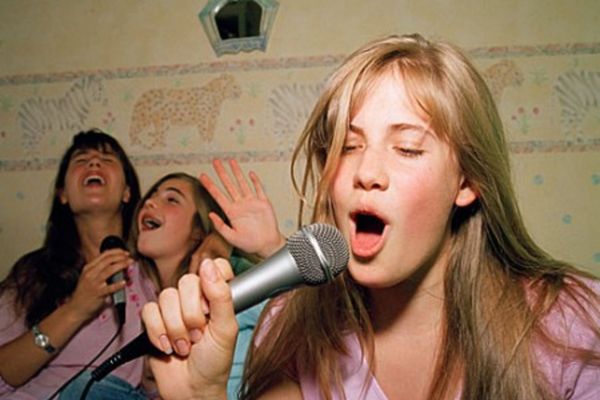
Step-by-step guide to perform karaoke
Teach Yourself to Sing in 10 Easy Steps
Step 1
Choose one favorite song you want to sing today.
Step 2
Find a microphone or make a pretend mic from a toy or a paper towel roll.
Step 3
Stand in a clear comfortable spot where you can move a little.
Step 4
Practice breathing by breathing in through your nose for four counts and out for six counts three times.
Step 5
Do a one-minute vocal warm-up by humming up and down a few notes.
Step 6
Sing the chorus two times slowly to practice staying on pitch.
Step 7
Pick two fun gestures or facial expressions you will use during your performance.
Step 8
Rehearse the chorus while using those gestures and expressions.
Step 9
Perform the full song for family or friends with energy and a big smile.
Step 10
Share your performance on DIY.org
Help!?
What can we use instead of a real microphone?
If you don't have a mic, use a toy or an empty paper towel roll as the instructions suggest, or grab a hairbrush or wooden spoon to make a pretend mic.
I'm having trouble staying on pitch when practicing the chorus slowly; what should we do?
If you can't stay on pitch during the two slow chorus repetitions, go back to the one-minute humming warm-up and match each chorus note to a hum before singing.
How can I adapt the activity for younger or older kids?
For younger children shorten the breathing to two in/three out and sing only one chorus line, while older kids can lengthen the one-minute vocal warm-up to five minutes and add harmony practice during rehearsal.
How can we make the performance more special or creative?
Create a simple stage area, pick costume pieces and the two gestures from step 6 to build a character, and record the full song to share on DIY.org.
Watch videos on how to perform karaoke
KIDS KARAOKE SONGS WITH LYRICS | BLUEY, PAW PATROL, SPONGEBOB & MORE!
4 Videos
KIDS KARAOKE SONGS WITH LYRICS | BLUEY, PAW PATROL, SPONGEBOB & MORE!
JJ Meets Bingo - Let's Sing! 🐶🎵 | KARAOKE! | COCOMELON | Sing Along With Me! | Kids Songs
Let's Sing the ABC Song! 🎶✨ | KARAOKE! | BEST OF COCOMELON | Sing Along With Me! | Kids Songs
How to Sing for Beginners: 7 Easy Tips to Start Now
Facts about singing and performance skills for kids
🎤 Karaoke started in Japan in the 1970s — the word literally means "empty orchestra."
🎙️ A microphone turns your voice into an electrical signal so it can be amplified or recorded.
🫁 Great singing uses diaphragm-based breath control to hold notes and stay steady.
😅 Many famous performers still feel stage fright — it's a very common experience.
👨👩👧 Singing together releases feel-good chemicals (like endorphins and oxytocin) that help people bond.
How do you perform karaoke with a child?
What materials do I need for a kids' karaoke session?
What ages is this activity suitable for?
What are the benefits and safety tips for kids' karaoke?
