Perform a kick up
Practice safe steps and balance drills to perform a kick-up (kick to handstand), using a spotter, warm-ups, and gradual progressions.


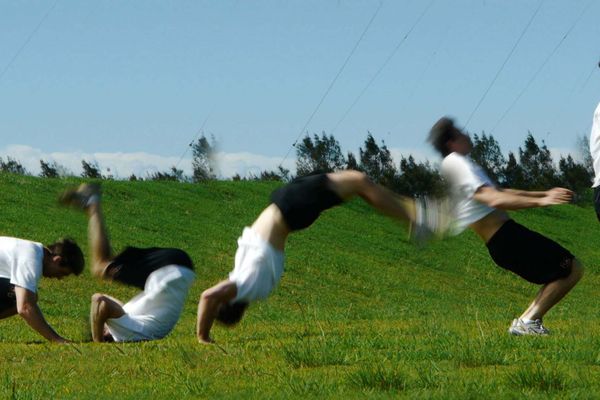

Step-by-step guide to perform a kick-up (kick to handstand)
How To Do Kick Ups (Keepy Uppies) - Basic Football Skills Tutorial
Step 1
Put on comfortable clothes that let you move and take off any jewelry.
Step 2
Lay your soft mat flat in a clear open area with no obstacles.
Step 3
Ask your trusted spotter to stand behind you with one hand at your waist and one hand ready near your back.
Step 4
Do 2 minutes of light cardio like jogging in place or jumping jacks to warm your body.
Step 5
Roll your wrists 10 times each direction to warm your wrists.
Step 6
Do 10 arm circles forward and 10 backward to loosen your shoulders.
Step 7
Stand in a forward lunge and place your hands flat on the mat shoulder-width apart.
Step 8
Practice small kick-ups by pushing lightly with the back leg while the spotter supports your waist.
Step 9
Try to straighten your arms and keep your shoulders over your hands while the spotter helps you find balance.
Step 10
Attempt a full kick-up toward a handstand with the spotter catching your hips if you fall and guiding you into balance.
Step 11
Rest and drink water for one minute before trying again.
Step 12
When you can hold the kick-up with minimal help for a few seconds, have the spotter let go briefly so you can hold it by yourself.
Step 13
Share a photo or short video of your kick-up and what you learned on DIY.org.
Help!?
If I don't have a soft mat, what can I use instead so the kick-up practice stays safe?
If you don't have the soft mat, place a thick folded blanket or a yoga mat on carpet and still follow the instruction to clear the area so you can safely practice kick-ups with a spotter standing behind you.
What should we do if the child keeps falling or can't find balance during the kick-up attempts?
If the child keeps falling, stop full attempts and repeat the 'practice small kick-ups' step with the spotter supporting the waist and focusing on straightening the arms and keeping the shoulders over the hands while the spotter catches the hips if needed.
How can I adapt these steps for younger toddlers or older kids learning the kick-up?
For younger children, shorten the warm-up to about 1 minute, use a thicker folded blanket as the soft mat and have an adult provide continuous hip support during small kick-ups, while older kids can lengthen the cardio warm-up, practice longer holds, and attempt brief lets-go holds once they can hold the kick-up with minimal help.
How can we extend or personalize this kick-up activity after the basic steps are mastered?
To extend the activity, add progressions such as practicing kick-ups toward a wall for body alignment, timing and recording hold seconds after each rest, and then share a photo or short video with notes about improvements on DIY.org as the instructions suggest.
Watch videos on how to perform a kick-up (kick to handstand)
KIDDO: Learn how to kick (soccer)
4 Videos
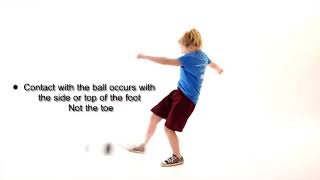
KIDDO: Learn how to kick (soccer)
5 Easy Flick Up Skills Tutorial | Learn Simple Step By Step Football Skills

Best Soccer Skills For 8 Year Olds - Beginner Soccer Drills For Kids

The Ultimate Indoor Soccer Workout - Soccer training for kids at home
Facts about gymnastics for kids
🤸♀️ Handstands were practiced by ancient acrobats and are still a staple in modern gymnastics.
💪 Holding a handstand works your shoulders, core, and wrists — it feels like a full-body exercise!
🤝 Using a trained spotter while learning a kick-up makes practicing much safer.
🔥 A 5–10 minute warm-up increases muscle temperature and lowers injury risk before attempting kick-ups.
🧭 Your inner ear (the vestibular system) helps you stay balanced when you're upside-down.
How do I teach my child to do a kick-up (kick to handstand) safely?
What materials do I need to practice kick-ups with my child?
What ages are suitable for practicing kick-ups with kids?
What safety tips should I follow when my child practices kick-ups?
