Paint a portrait
Paint a portrait of a friend, family member, or pet using pencil sketches, color mixing, and brush techniques to explore observation and creativity.


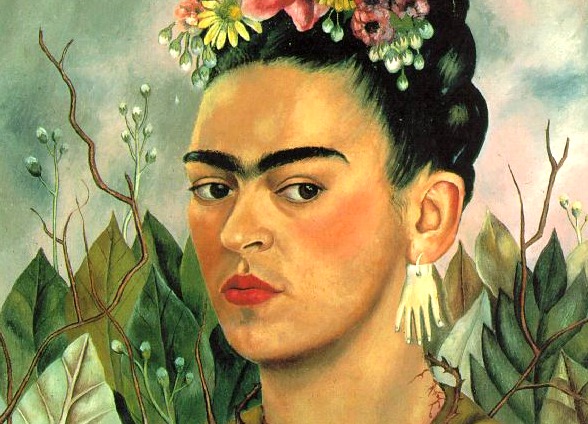

Step-by-step guide to paint a portrait
Learn how to draw portraits - How to draw a face step-by-step - Easy tutorial for kids
Step 1
Choose one friend family member or pet to paint.
Step 2
Decide whether you will use a live model or a photo reference.
Step 3
Cover your workspace with newspaper or an old cloth to protect it.
Step 4
Place your reference photo or position your model where you can see them clearly.
Step 5
Lightly draw a basic head and shoulder shape with your pencil to map the portrait.
Step 6
Add simple guidelines to mark where the eyes nose and mouth will go.
Step 7
Refine the pencil lines to add the main facial features and important details.
Step 8
Erase any extra construction lines so the sketch looks clean.
Step 9
Mix the base colors on your palette for skin fur and large clothing areas.
Step 10
Paint the large base shapes with a medium brush using your mixed colors.
Step 11
Add shadows and mid-tones with a slightly darker mix to give the face or fur depth.
Step 12
Use a small brush to add highlights and fine details like eyes hair strands or whiskers.
Step 13
Step back and make small color or edge adjustments until you feel happy with it.
Step 14
Let your painting dry completely before touching the surface.
Step 15
Share your finished portrait on DIY.org
Help!?
If we don't have a palette, medium brush, or small brush, what can we use instead?
Use a paper plate or jar lid as a palette, washable tempera or acrylic craft paints instead of artist paints, a foam brush or an old wide paintbrush for painting the large base shapes, and a cotton swab or toothpick in place of a small brush for highlights and fine details.
My portrait looks out of proportion after drawing the head and shoulders—what should I try?
Use your pencil to measure and compare distances to your reference, add or adjust the simple guidelines for eyes, nose, and mouth from step 6, then lightly erase extra construction lines and redraw before you start mixing base colors on your palette.
How can this activity be adapted for younger or older kids?
For a 4-year-old, simplify by using a large photo, washable paints, and one big brush to block in base shapes; for about 8-year-olds keep the pencil mapping and guideline steps and introduce basic shadow mixing on the palette; for 12-year-olds encourage refining facial features, adding mid-tones and highlights with a small brush, and making subtle color or edge adjustments.
What are simple ways to extend or personalize the finished portrait?
Mix extra colors on your palette to add a patterned background or clothing details, experiment with texture (thicker paint or a palette knife) for fur or hair, varnish once dry, and then photograph and share your finished portrait on DIY.org.
Watch videos on how to paint a portrait
How to draw a SELF-PORTRAIT - Easy steps for kids.
4 Videos
How to draw a SELF-PORTRAIT - Easy steps for kids.
How to paint a Portrait with Acrylic Paints | BEGINNER FRIENDLY
How to Paint a Portrait in Oils: Step by Step for Beginners
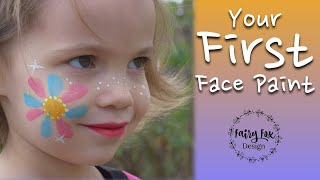
Your First Face Paint - Tutorial for Beginners
Facts about painting for kids
🖼️ Vincent van Gogh painted over 30 self-portraits, using them to practice expression and technique.
🎨 Mixing small amounts of complementary colors (like red and green) can create natural-looking shadows and muted tones.
✏️ The modern graphite pencil rose to popularity in the 16th century after a large deposit was discovered in England.
🐶 Pet portraits have been popular for centuries—wealthy families in the 18th century often commissioned paintings of their dogs and horses.
🖌️ Different brushes make different textures: fan brushes add fur-like strokes, round brushes do fine details, and flat brushes create bold shapes.
How do you paint a portrait of a friend, family member, or pet?
What materials do I need to paint a child-friendly portrait?
What ages is portrait painting suitable for?
What are the benefits of painting portraits for kids?
