March for a Good Cause
Plan and lead a short neighborhood charity walk, create posters, invite friends, collect donations, and learn about organizing events responsibly.


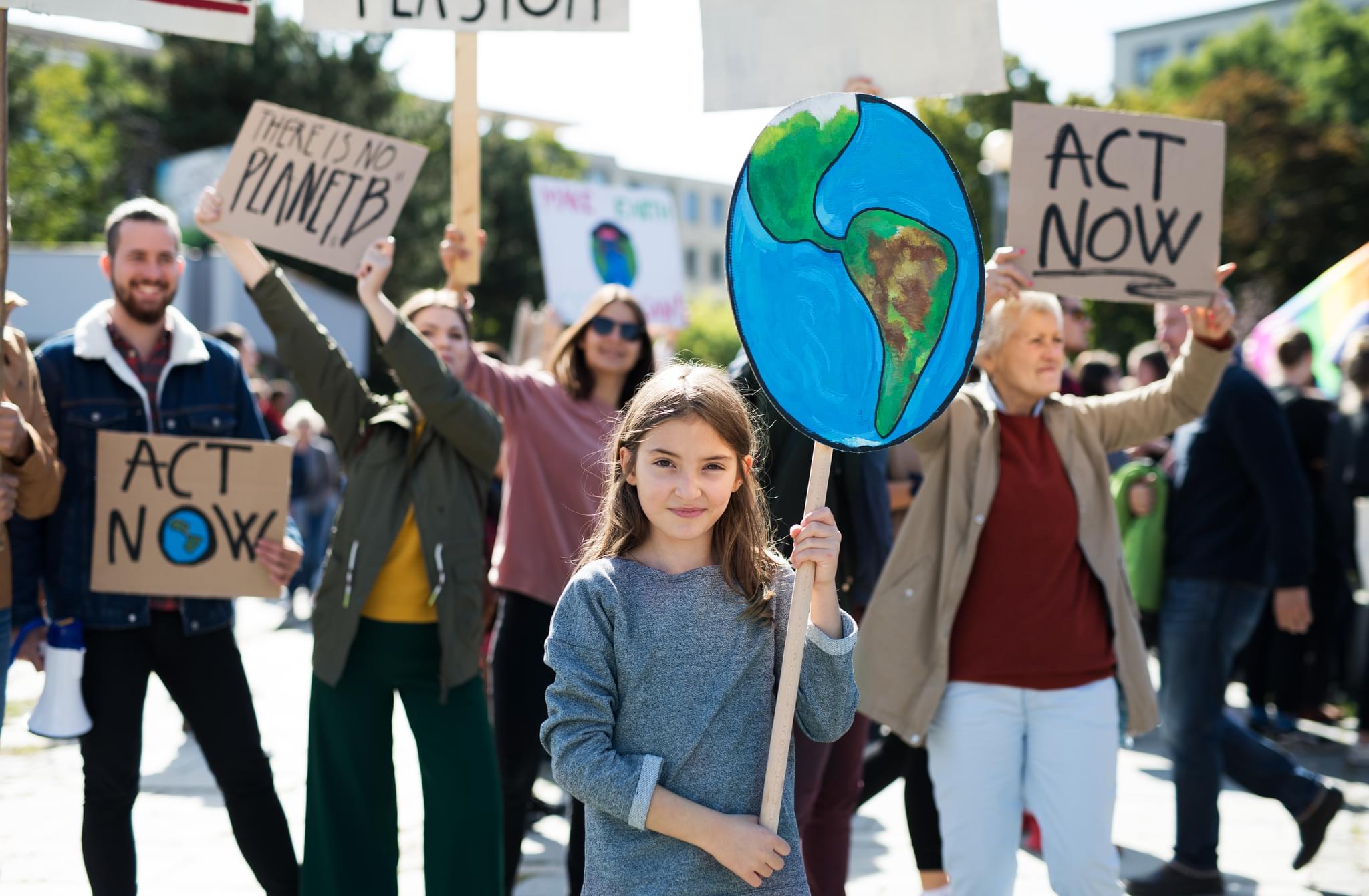

Step-by-step guide to March for a Good Cause
🥰 Charitable Giving for Kids | How to be Charitable | National Give Something Away Day | Twinkl USA
Step 1
Pick one local charity or cause you want to help.
Step 2
Ask an adult for permission and to help organize the walk.
Step 3
Choose a date time and meeting spot for your short neighborhood walk.
Step 4
Draw a simple safe walking route on paper that stays on sidewalks and is under 30 minutes.
Step 5
Make colourful posters that show the charity name the date the time and the meeting spot.
Step 6
Set up a clear donation jar or box and label it with the charity name.
Step 7
Add short safety rules and an adult contact phone number to each poster and the donation jar.
Step 8
With your adult put up posters in allowed places like community boards or on your street.
Step 9
Invite friends and neighbors by giving them a written invitation or asking them in person.
Step 10
On the day put on bright clothing or a safety vest and comfortable shoes before you start.
Step 11
Start the walk at the meeting spot and lead the group slowly while following the planned route.
Step 12
Ask walkers to put donations into the jar during the walk and keep the jar safe with an adult.
Step 13
Count the donations with your adult and write down the total and donor names if people want to share them.
Step 14
Share your finished March for a Good Cause on DIY.org.
Help!?
What can we use if we don't have a clear donation jar or a safety vest?
If you can’t find a clear donation jar, use a clean, labeled shoebox or a reused plastic food container with a taped slot for money, and for a safety vest wear a bright T‑shirt or make a reflective sash from tape as you would for the step to "put on bright clothing or a safety vest".
What should we do if bad weather or low turnout threatens the walk?
If it rains or attendance is low, ask the adult who helped organize the walk to reschedule the chosen date, time and meeting spot and update your written invitations and posters, or move the short route indoors to a community space while still using your labeled donation jar or box.
How can we adapt the March for different age groups?
For younger kids simplify the drawn walking route to 10–15 minutes, use pre-made colourful posters and have extra adults lead the group, while older kids can plan the full 30‑minute route, design detailed posters, collect and record donations with their adult, and share results on DIY.org.
How can we make the march more fun or raise more money?
To enhance the event, set a visible fundraising goal, decorate the posters and labeled donation jar with the charity name and a theme, add a music playlist or costume idea for the walk, take photos during the march, and share totals and pictures on DIY.org.
Watch videos on how to March for a Good Cause
What is a Charity / Donating to Charity: A Simple Explanation for Kids and Beginners
3 Videos
What is a Charity / Donating to Charity: A Simple Explanation for Kids and Beginners
⛑ World Humanitarian Day for Kids | 19 August | Humanitarian Examples | Twinkl USA

What is a Charity? Donating, Giving, Volunteering, and Supporting | Beginners Guide
Facts about organizing charity events for kids
🗺️ Short neighborhood charity walks (about 1–2 miles) are perfect for kids — long enough to make an impact, short enough to stay fun and safe.
🎨 Bright, handmade posters with a clear message and time/place are more likely to catch neighbors' eyes and boost turnout.
💬 Personal invitations (a quick chat or message) usually bring more friends than a generic announcement — people love being asked!
💰 Small gifts add up fast: if 20 friends each give $5, that's $100 to support a cause — teamwork turns little amounts into real help.
🤝 Partnering with a local nonprofit, school, or business helps build trust and makes handling donations and permissions much easier.
How do I plan and lead a short neighborhood charity walk with my child?
What materials do we need to organize a March for a Good Cause?
What ages is a neighborhood charity walk suitable for?
What are the benefits and safety tips for organizing a charity walk?
