Make up an epic story:
Write and illustrate your own epic adventure story, design characters and a simple map, then read it aloud to family or friends.


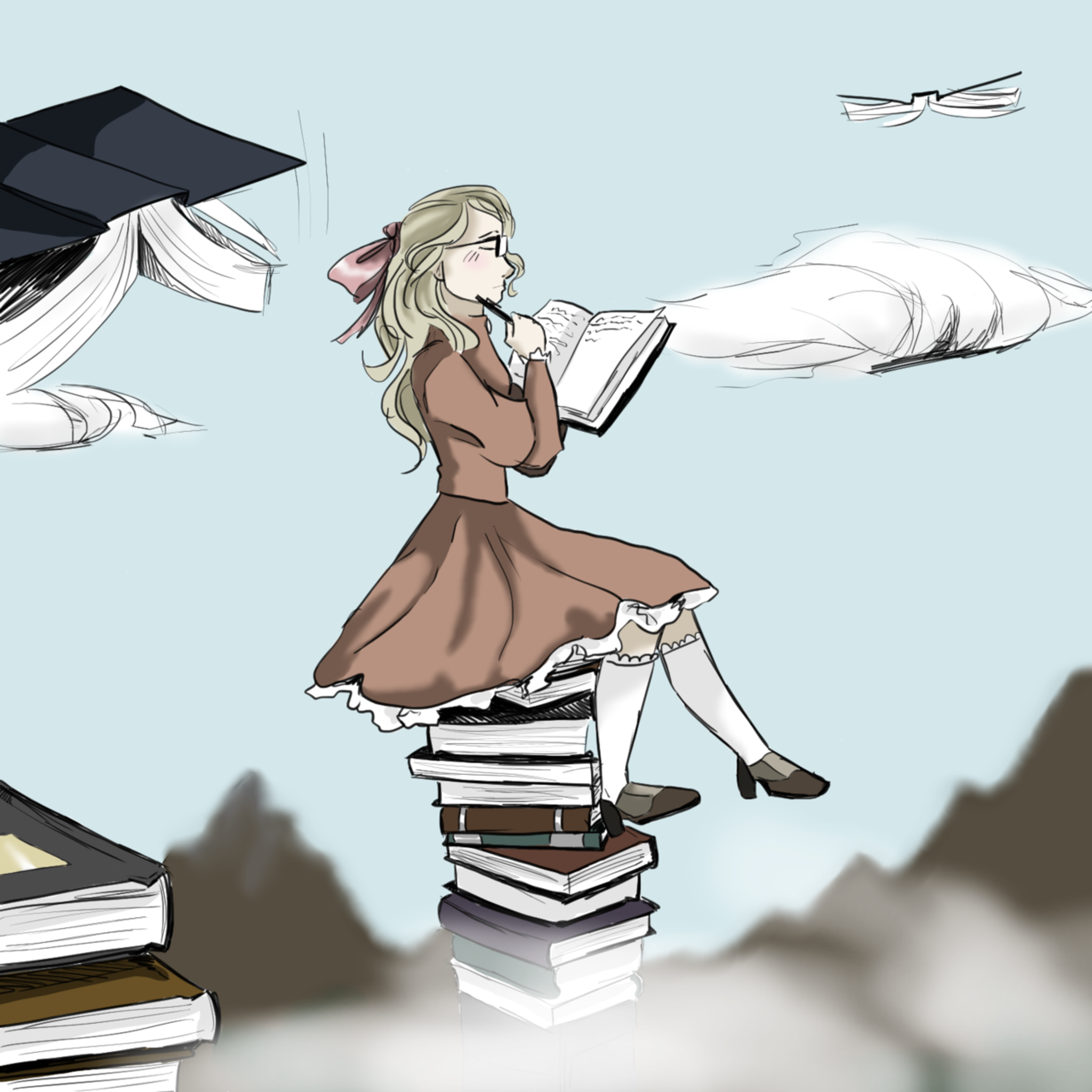

Step-by-step guide to make up an epic story
Writing a story with beginning, middle, end - tutorial for kids
Step 1
Gather all the materials listed and find a quiet space to work.
Step 2
Choose one exciting setting for your adventure (for example: jungle space castle or beach).
Step 3
Decide the hero's main goal (what your hero wants to achieve).
Step 4
Draw your main character on a page.
Step 5
Draw a sidekick or friend on a page.
Step 6
Draw a villain or the main obstacle on a page.
Step 7
Give each character a name.
Step 8
Write one short sentence describing each character.
Step 9
Draw a simple map that shows the key places in your story using your ruler for neat lines.
Step 10
Make a three-part outline listing the beginning problem the middle adventures and the ending solution.
Step 11
Write the full story on paper following your three-part outline.
Step 12
Add small illustrations to the scenes on the pages to show action and emotion.
Step 13
Color your drawings and the map to make them bright and clear.
Step 14
Read your finished story aloud to family or friends.
Step 15
Share your finished creation on DIY.org.
Help!?
What can we use if we don't have a ruler, colored pencils, or access to DIY.org?
If you don't have a ruler use a book spine or cardboard edge to make the neat lines on your 'simple map', swap colored pencils for crayons, markers, watercolors, or colored paper to 'color your drawings and the map', and if you can't post to DIY.org photograph or scan your finished story to share with family instead.
What should we do if the child gets stuck on the three-part outline or their drawings don't look like they want?
If they get stuck on the 'three-part outline' have them tell you the beginning, middle, and end out loud while you write it down and encourage tracing, stickers, or very small 'illustrations' to capture action when their drawings aren't turning out the way they imagined.
How can we adapt the activity for younger or older children?
For younger kids simplify steps to drawing a main character and sidekick, naming them, and saying one-sentence descriptions aloud instead of writing the 'full story', while older kids can expand the 'three-part outline' into multiple chapters, add character backstories, and create a more detailed ruler-drawn map.
How can we extend or personalize the story after finishing the basic steps?
Turn the pages into a stapled booklet, add a map legend and extra 'small illustrations' for key scenes, record a dramatic reading to use when you 'read your finished story aloud', and customize the cover art before you 'Share your finished creation on DIY.org' or with family.
Watch videos on how to make up an epic story
A Hero Like You | A story about everyday heros
4 Videos
A Hero Like You | A story about everyday heros
How To Write a Story For Kids
How To Create Story Book For Kids Using Canva And ChatGPT
How to Write a Story for Kids | Parts of a Story | Story Writing for Kids | Twinkl USA
Facts about creative writing and storytelling
🎭 Epic adventures like Homer's Iliad were passed down by storytellers who recited them aloud for listeners long before books existed.
🎨 Illustrators often start with tiny 'thumbnail' sketches to plan characters and pages quickly—pro artists do this, too!
🗺️ Simple maps use symbols (a tree, a mountain, an X) so anyone can understand a journey without lots of words.
🦸♂️ Many stories reuse character types—hero, mentor, trickster—because they help readers connect with new adventures fast.
📚 Reading your own story aloud can make it more exciting—voice, pace, and sound effects bring characters to life.
How do I help my child write and illustrate an epic adventure story?
What materials do I need to write and illustrate an epic adventure story?
What ages is creating an epic adventure story suitable for?
What are the benefits of having my child write and illustrate an epic adventure story?
