Make dough from scratch
Measure and mix simple ingredients (flour, water, salt, oil), knead and shape homemade dough with adult supervision to learn measurements and textures.


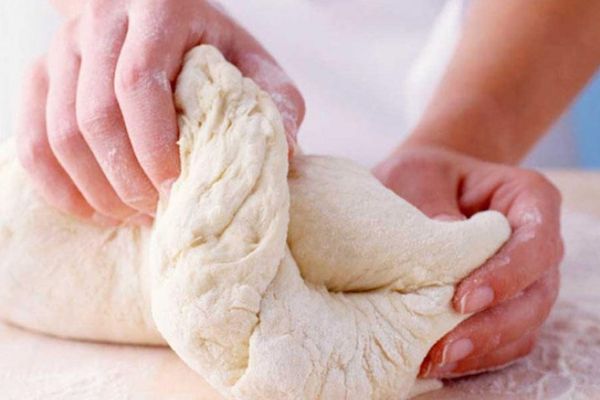

Step-by-step guide to make dough from scratch
How to Make Play Dough - Easy No Cook Recipe! | Sea Lemon
Step 1
Wash your hands with soap and water.
Step 2
Wipe the work surface clean with a damp cloth.
Step 3
Gather your materials and put them on the clean surface.
Step 4
Measure 2 cups of all-purpose flour into the mixing bowl.
Step 5
Measure 1/2 teaspoon of salt and add it to the flour.
Step 6
Measure 1 tablespoon of vegetable oil and pour it into the bowl.
Step 7
Measure 3/4 cup of water into the measuring cup.
Step 8
Pour about half of the measured water into the bowl.
Step 9
Stir the mixture with your spoon until the ingredients look shaggy and start to stick together.
Step 10
Slowly add more water a little at a time until the dough comes together into a rough ball.
Step 11
Turn the dough out onto the clean countertop.
Step 12
Knead the dough for about five minutes until it feels smooth and elastic.
Step 13
Cover the dough with a clean towel and let it rest for 10 minutes.
Step 14
Share your finished dough creation on DIY.org.
Help!?
What can we use instead of all-purpose flour or vegetable oil if we don't have them?
If you don't have the 2 cups of all-purpose flour, use bread flour or whole-wheat flour (expect a denser dough and add a little more water during the 'slowly add more water' step), and replace 1 tablespoon of vegetable oil with olive oil or melted coconut oil.
My dough is too sticky or too dry—what should I do?
If the dough is too sticky after you 'stir the mixture' and start to 'turn the dough out', sprinkle in extra flour while you 'knead the dough for about five minutes' until smooth, and if it's too dry or crumbly add water a teaspoon at a time and continue kneading until it comes together.
How can I adapt this dough activity for younger or older children?
For younger children, pre-measure the ingredients and let them do the 'stir the mixture' and 'turn the dough out' steps with supervision, while older kids can measure the '2 cups of flour' and '3/4 cup of water' themselves, time the 'knead the dough for about five minutes', and try flour variations like whole-wheat.
How can we personalize or extend the dough and the sharing step on DIY.org?
Personalize the dough by adding a few drops of food coloring into the measured '3/4 cup of water' before pouring, use cookie cutters or press decorations after the 'let it rest for 10 minutes' step, dry or bake creations as keepsakes, and photograph your finished dough creation to share on DIY.org.
Watch videos on how to make dough from scratch
DIY- How To Make Play Dough At Home With Flour And Crayons 🖍| Clay Art For Kids | HooplaKidz How To
3 Videos
DIY- How To Make Play Dough At Home With Flour And Crayons 🖍| Clay Art For Kids | HooplaKidz How To

Easy Pizza Dough Recipe
Easy Sourdough Starter Guide: Just Flour & Water!
Facts about baking and kitchen skills for kids
🥖 Ancient people made flatbreads with just flour and water — some recipes are over 10,000 years old!
⚖️ A standard cup of all-purpose flour can vary from about 120–140 grams depending on how you scoop it, so measuring matters!
👩🍳 Kneading stretches gluten, which gives dough its stretchy, bouncy texture — 5–10 minutes of kneading often makes it smooth.
🧂 A small pinch of salt not only adds flavor but helps tighten gluten strands and improve dough structure.
🫙 A little oil in dough keeps it softer and more moist, making it easier to shape and less sticky.
How do you make dough from scratch with a child to teach measurements and textures?
What materials do I need to make homemade dough with my child?
What ages is this dough-making activity suitable for?
What are the benefits and safety tips for making dough with kids?
