Make an Abstract & Distorted Self Portrait
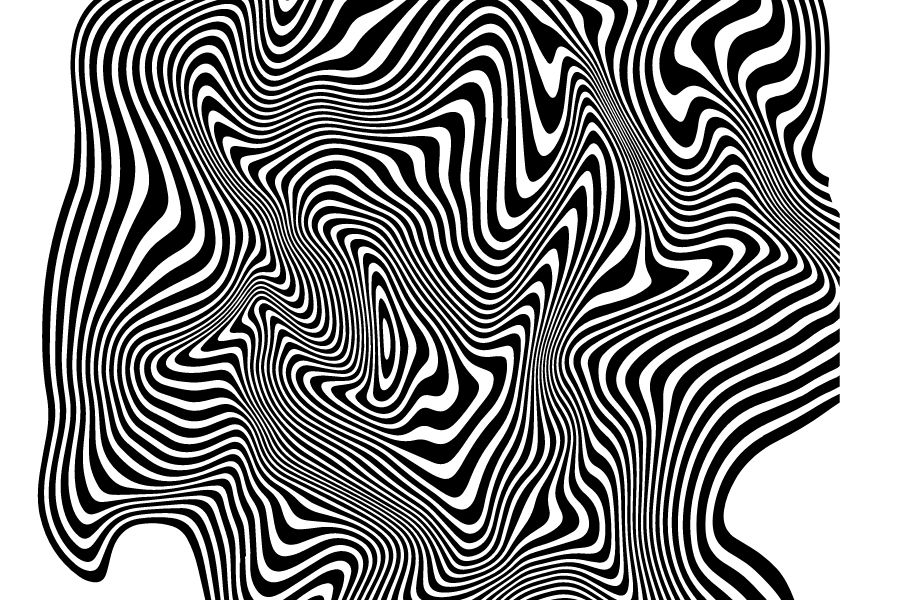
Create an abstract, distorted self-portrait using paper, pencils, markers, and collage; experiment with shapes, colors, and proportions to express feelings and personality.


Drawing Apps
Step-by-step guide to make an abstract and distorted self-portrait
Step 1
Gather all your materials and set them on a clear workspace.
Step 2
Look at yourself in a mirror or at a photo for one minute and notice shapes you like or want to change.
Step 3
Draw a light outline of your head and neck on the paper with your pencil.
Step 4
Lightly mark two features on your sketch that you want to exaggerate.
Step 5
Redraw those marked features much bigger smaller or in a different place on the face.
Step 6
Draw bold shapes and patterns around or inside the face to show feelings or personality.
Step 7
Color the shapes and facial features with markers and crayons using colors that match your mood.
Step 8
Cut out interesting shapes or textures from magazines or colored paper for your collage.
Step 9
Glue the collage pieces onto your portrait to add texture and surprise.
Step 10
Add final details and outlines with pencil or marker to unify your portrait.
Step 11
Write a short title and two words that describe how your portrait feels on the bottom or back.
Step 12
Share your finished abstract and distorted self-portrait on DIY.org
Help!?
What can I use if I don’t have markers, crayons, or magazines for the collage?
Use colored pencils or watercolor paints instead of markers and crayons, and tear textures from old greeting cards, fabric scraps, or printed photos instead of magazines or colored paper for the collage.
My glued collage pieces are wrinkling or falling off—how can I fix that?
Trim collage pieces to smaller shapes, use a stronger glue stick or white craft glue applied thinly, press pieces flat with a ruler while drying, and let the portrait lie flat to set so the glued textures adhere without wrinkling.
How can I adapt this self-portrait activity for different ages?
For younger kids (4–6) pre-draw the head and neck outline and offer large collage pieces and thick crayons for coloring, while older kids (10–13) should follow the one-minute mirror study, exaggerate features intentionally, add bold patterns, and refine lines with fine markers as the instructions describe.
What are simple ways to extend or personalize the portrait after finishing the basic steps?
Add textured materials like fabric or foil to the collage, layer a watercolor wash under the marker details, include small found objects for surprise, and write a short title plus the two feeling words on the back before sharing on DIY.org.
Watch videos on how to make an abstract and distorted self-portrait
How To Write An Abstract In 5 Minutes? A Practical Guide With Examples!
4 Videos
How To Write An Abstract In 5 Minutes? A Practical Guide With Examples!
How to Write a Clear & Concise Abstract | Scribbr 🎓
How to write an Abstract in 2025 | Step-by-step Guide with Example

Writing Abstracts: An Overview
Facts about abstract portraiture and mixed-media art
🎨 Abstract art grew in the early 1900s when artists like Kandinsky explored color and shape instead of copying real life.
🧩 Cubism, led by Pablo Picasso and Georges Braque, breaks subjects into geometric pieces to show many viewpoints at once.
🖼️ Pablo Picasso often made distorted faces and playful self-portraits that changed how people think about identity in art.
✂️ The word "collage" comes from the French verb 'coller' meaning 'to glue' — artists glue paper, fabric, and photos to make new pictures.
🧠 Surrealists used dreamlike images and automatic drawing to put hidden feelings and imagination into strange portraits.
How do I make an abstract, distorted self-portrait with my child?
What materials do I need for an abstract, distorted self-portrait?
What ages is this abstract portrait activity suitable for?
What are the benefits of making abstract, distorted self-portraits?
