Make a Lion!
Make a lion mask using paper plates, paint, yarn, and glue; decorate its mane, practice cutting and painting, and roar safely.
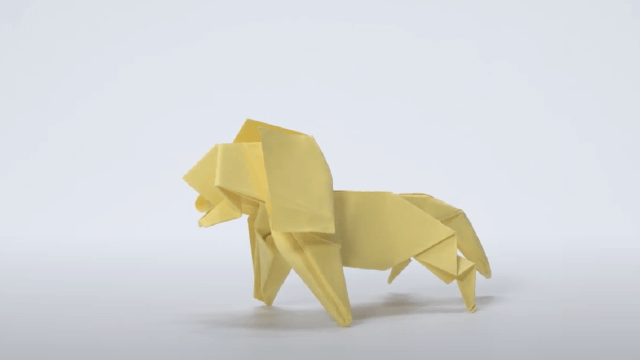
About this activity
Make a lion mask using paper plates, paint, yarn, and glue; decorate its mane, practice cutting and painting, and roar safely.
What you need
Step by step
- 1
Step 1
Lay out all your materials on a clean table so everything is easy to reach.
- 2
Step 2
Place the paper plate face up and use the pencil to draw two big eye holes a nose and a mouth on the plate.
- 3
Step 3
Carefully cut out the eye holes from the plate using scissors while an adult watches.
- 4
Step 4
Paint the front of the plate with the yellow or orange paint to make the lion’s face.
- 5
Step 5
Let the paint dry completely before you touch it.
- 6
Step 6
Wind the yarn into equal lengths and cut many pieces to make the mane.
- 7
Step 7
Apply glue around the outer rim of the plate and press the yarn pieces onto the glue to create a fluffy mane.
- 8
Step 8
Use paint or colouring materials to add details like a nose whiskers and eyebrows on the face.
- 9
Step 9
Trim any long yarn pieces so the mane looks even around the plate.
- 10
Step 10
Attach the elastic string to both sides of the plate with tape or by tying so the mask fits your head.
- 11
Step 11
Put on your lion mask and practice a soft safe roar by taking a deep breath and roaring gently into the open air.
- 12
Step 12
Share a photo of your finished lion mask on DIY.org so everyone can see your roaring creation.
Fun facts
How do I make a lion mask with a paper plate?
Start by cutting a paper plate in half or cutting out eye holes—adult help for younger kids. Paint the plate a lion color and let it dry. Punch two holes at the sides for elastic or attach a popsicle-stick handle. Glue yarn or cut paper strips around the edge for the mane, add a painted nose and whiskers, and decorate with markers or googly eyes. Make sure eye and breathing holes stay clear and supervise cutting and gluing.
What materials do I need to make a paper plate lion mask?
You’ll need paper plates, washable tempera or acrylic paint, paintbrushes, yarn or colored paper for the mane, child-safe scissors, white craft glue (or hot glue used by an adult), markers, a hole punch, and elastic or string. Optional extras: googly eyes, stickers, pom-poms, and glitter glue. Substitute cardstock for plates if preferred. Choose non-toxic, washable supplies for easy cleanup and child-safe use.
What ages is a paper plate lion mask suitable for?
This activity suits toddlers through elementary kids with supervision levels adjusted by age. Ages 2–4 can participate with heavy adult help for cutting and gluing. Ages 5–8 can paint, glue yarn, and punch holes with guidance. Ages 9+ can design complex manes and add details independently. Avoid small detachable parts for children under 3 and always supervise use of scissors and any hot glue.
What are the benefits and safety tips for making a lion mask?
Making a lion mask builds fine motor skills, creativity, following steps, and imaginative play—plus sensory exploration with paint and textures. For safety, use non-toxic, washable supplies, supervise scissors and hot glue, keep eye and breathing holes clear, and secure elastic so it isn’t too tight. Avoid small parts for under-3s. For variations, try a handle instead of elastic, a full-face design, or natural materials like leaves for a textured mane.
Watch & Learn
Need help?
What can we use instead of yarn or elastic string if they're hard to find?
If you don't have yarn, use fringed construction paper or tissue-paper strips for the mane and swap the elastic string (used to fit the mask) for a ribbon, hair elastic, or shoelace.
The mane glue isn't holding and the paint keeps smudging—what should I check or do?
Make sure the painted plate is completely dry as directed in step 4, use a stronger craft glue when you 'apply glue around the outer rim of the plate,' press and hold each yarn piece until it sets, and then trim only after it has fully dried.
How can I adapt this lion mask activity for different age groups?
For toddlers, have an adult pre-cut the eye holes and pre-cut yarn pieces so the child can press yarn and stickers onto glue, while older children can cut the plate themselves, paint more detailed facial features, and experiment with layered manes.
How can we enhance or personalize the lion mask beyond the basic instructions?
Add texture by combining yarn with paper strips, glue on sequins or googly eyes, twist pipe cleaners into 3D whiskers, and follow the final step to share a photo of your customized mask on DIY.org.