Make a Cheer
Create a short team cheer by writing lyrics, designing simple moves, and practicing rhythm and coordination with classmates or family for a spirited performance.



Step-by-step guide to make a cheer
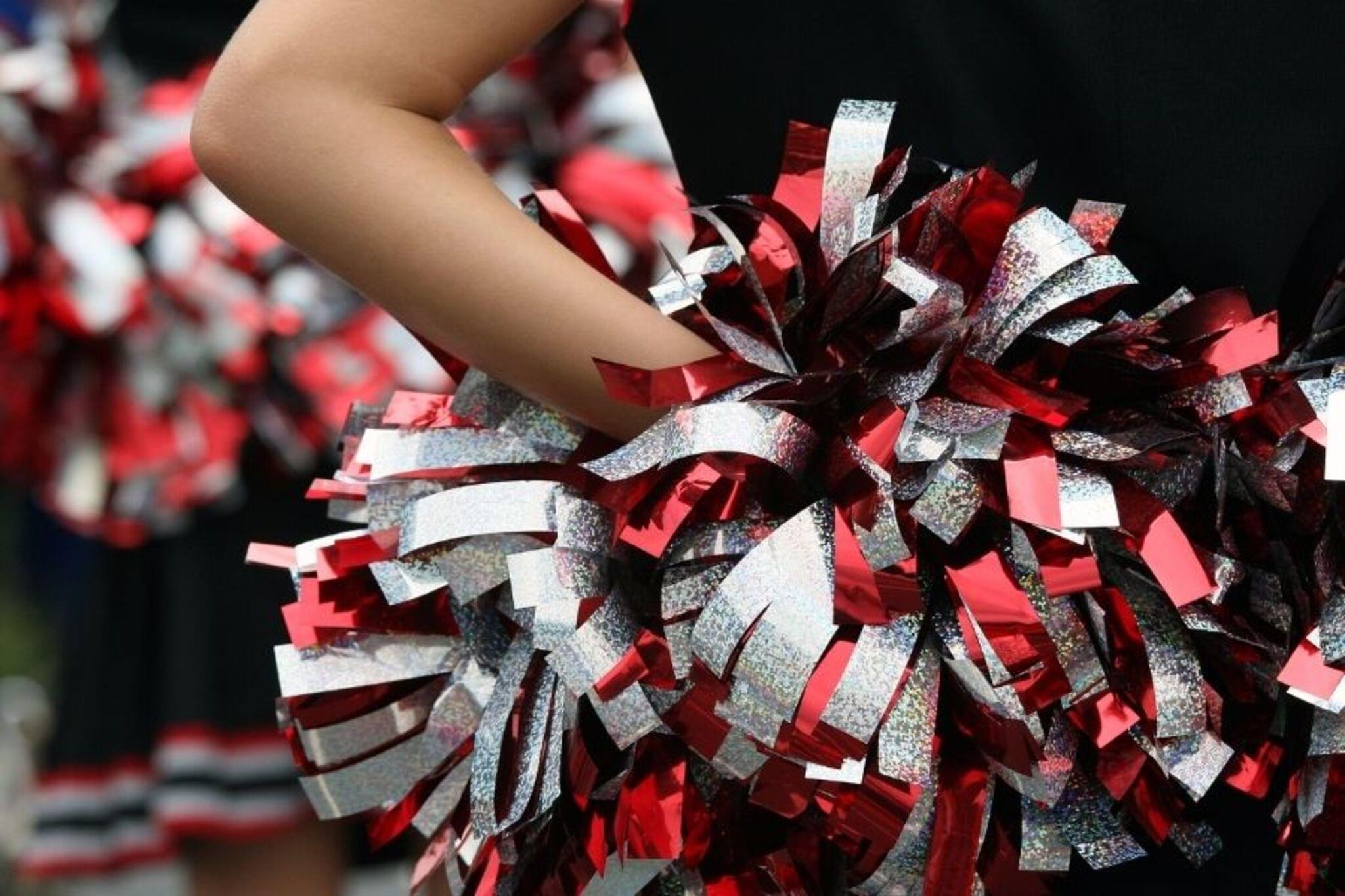
Cheerleaders in Slow Motion
Step 1
Gather your teammates together in the open space and stand in a circle.
Step 2
Choose a fun team name that everyone likes and say it out loud.
Step 3
Decide whether your cheer will be loud and fast or fun and rhythmic.
Step 4
Write 6 to 10 short words or phrases about your team on the paper.
Step 5
Use your words to write a short 4-line cheer with one catchy chorus line.
Step 6
Pick a simple rhythm pattern to match each line such as clap stomp clap.
Step 7
Choose three or four easy moves like clap stomp jump point to use in the cheer.
Step 8
Assign one move to each of the four lines of your cheer and write which move goes with which line.
Step 9
Practice the first two lines slowly with your rhythm until everyone moves together.
Step 10
Practice the last two lines slowly with your rhythm until everyone is coordinated.
Step 11
Run the full cheer at performance speed with big energy and smiles.
Step 12
Choose one small change to improve and practice the cheer one more time.
Step 13
Share your finished cheer on DIY.org
Help!?
What can we use instead of paper if we don't have any?
Use a phone or tablet Notes app, a whiteboard, or write the 6–10 short words with chalk on the ground so you can still complete the 'write 6 to 10 short words or phrases' step.
We're not staying in sync when practicing the first two lines—what should we try?
Have one person count aloud or use a metronome app while you practice the first two lines slowly with your chosen rhythm, and split into pairs to master each line before combining the whole group.
How can we adapt this cheer for younger or older kids?
For younger children, reduce to 4 simple words, use two easy moves like clap and stomp, and focus on the 'practice the first two lines slowly' step, while older kids can use the full 6–10 phrases, faster 'loud and fast' rhythm, and add extra moves or formation changes.
How can we make our cheer more exciting or personal before sharing it on DIY.org?
Create a paper team banner with your chosen team name, add a simple backing track when you run the full cheer at performance speed, and feature the one small change you practiced as a show-off finale when you record to share on DIY.org.
Watch videos on how to make a cheer
TEACH A CHEERLEADER TO SKATEBOARD
4 Videos
TEACH A CHEERLEADER TO SKATEBOARD
EYFS Motor Skills Activities | For Kindergarten
Can You Move - THE KIBOOMERS Preschool Dance: Can You Keep Up?

THIS SKILL MOVE ANYONE CAN LEARN IN 4 EASY STEPS
Facts about cheerleading for kids
🏫 Cheerleading started in the late 19th century and was originally an all-male college activity.
🎶 Short, rhyming chants are easier for crowds to learn — rhythm and repetition help everyone join in quickly.
🤸 Simple synchronized moves like claps, step-touches, and arm punches make a cheer look bold without risky stunts.
🧠 Adding a unique hand motion to each line of lyrics helps kids memorize cheers faster.
🎉 Pep rallies and school cheers are global traditions used to boost team spirit and bring communities together.
How do you create a short team cheer?
What materials do I need to make a cheer with my child?
What ages is this cheer activity suitable for?
What are the benefits of making a cheer and how can we keep it safe?
