Make a brass instrument
Build a simple brass-style instrument using cardboard tubing, a plastic funnel for a mouthpiece, and tape; explore buzzing lips and basic pitch control.


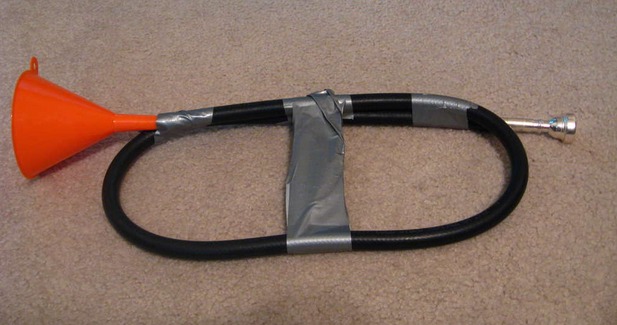
Step-by-step guide to make a brass instrument
How To Play The Trumpet-For Beginners-Full Tutorial
Step 1
Gather all the Materials Needed and set them on a clear table.
Step 2
Use the ruler and marker to mark the length of the tube you want to use.
Step 3
Cut the cardboard tube at your mark with scissors while an adult watches or helps.
Step 4
Wrap tape around the cut ends of the tube to make the edges smooth and safe.
Step 5
Wrap thin strips of tape around the narrow end of the funnel until it becomes slightly thicker.
Step 6
Push the taped narrow end of the funnel firmly into one end of the tube.
Step 7
Wrap tape around the outside seam where the funnel meets the tube to make a tight seal.
Step 8
Use the ruler and marker to mark three evenly spaced finger hole positions along the length of the tube starting a few centimeters from the mouthpiece.
Step 9
With adult help make small holes at the marks using the hole punch or a sharp poking tool.
Step 10
Put your lips together like a tiny smile and buzz them while blowing gently into the funnel to make a sound.
Step 11
Tighten your lips a little to try higher notes and loosen them to try lower notes to practice pitch control.
Step 12
Cover and uncover the finger holes one at a time to hear how the pitch changes.
Step 13
If you want a higher pitch trim a little off the far end or for a lower pitch add a short extra tube and test again.
Step 14
Take a photo or video of your finished brass-style instrument and share it on DIY.org.
Help!?
What can we use if we don't have a funnel, cardboard tube, or hole punch?
Use a cleaned plastic bottle neck or a paper towel roll for the cardboard tube, a kitchen funnel or a folded heavy-paper funnel in place of the funnel, and a thumbtack, nail, or awl (with adult help) instead of the hole punch when making the finger holes.
Nothing comes out when I blow — what should I check?
If there's no or a weak sound, make sure the taped funnel-to-tube seam is airtight (re-wrap the outside seam with tape), the cut mouthpiece end is smoothed with tape, and practice the lip-buzzing step while blowing gently as instructed.
How can I adapt this activity for different ages?
For younger children have an adult do the ruler marking, cutting, and hole punching and pre-fit the taped funnel so the child can buzz, cover holes, and decorate, while older kids can measure and mark three evenly spaced finger holes, trim the far end, or add a short extra tube themselves to experiment with pitch.
How can we make the instrument more interesting or personalized?
Decorate the cardboard tube with colored tape or stickers, experiment with trimming the far end or adding a short extra tube to change pitch, and take a photo or video of the finished brass-style instrument to share on DIY.org.
Watch videos on how to make a brass instrument
How To Play The Trumpet: A RSNO Beginner's Guide
3 Videos
How To Play The Trumpet: A RSNO Beginner's Guide
First 8 Notes On A Trumpet-How To Play Them-Beginner Lesson
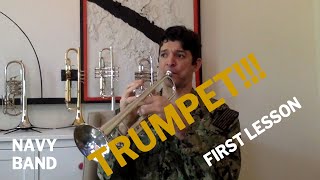
1st Lesson: Trumpet
Facts about sound and brass instruments
🎺 Brass instruments make sound when players buzz their lips into a mouthpiece — no reed required!
📏 Changing the length of the tube changes pitch: longer tubes give lower notes, shorter tubes give higher notes.
🐃 The bugle has no valves and plays melodies using only the instrument’s harmonic series and the player's lip tension.
🔊 A trumpet can reach about 110–120 decibels — as loud as a rock concert, so it's important to protect your ears!
♻️ Simple materials like cardboard and a funnel can make a working brass-style instrument used to explore real acoustic principles.
How do I make a simple brass-style instrument from cardboard and a funnel?
What materials do I need to build a homemade cardboard brass instrument?
What ages is this cardboard brass instrument activity suitable for?
What safety tips and benefits should I know before trying this activity with my child?
