It's Time to Mine!
Build a tabletop gemstone mine using sand, water, and simple tools; pan for crystals and fossils, sort findings, and learn about minerals.



Step-by-step guide to build a tabletop gemstone mine
Step 1
Clear a workspace and lay down paper towels to catch spills.
Step 2
Place the large shallow container or baking tray on the workspace.
Step 3
Pour play sand into the container until it is about two inches deep.
Step 4
Ask an adult to hide small gemstones fossils or interesting rocks by pressing them into the sand.
Step 5
Fill the small bowl with clean water for panning and rinsing.
Step 6
Scoop a handful of the sandy mixture into your pan or pie tin.
Step 7
Gently swirl the pan in the water bowl so the lighter sand washes away and heavier pieces stay.
Step 8
Use the small kitchen sieve to lift out big clumps of sand if needed.
Step 9
Brush any stuck sand off treasures with the toothbrush.
Step 10
Use tweezers to pick up crystals fossils or rocks and place each into a sorting container.
Step 11
Rinse each find in the water bowl to reveal colors and details.
Step 12
Examine each find with the magnifying glass to look for sparkles shapes and lines.
Step 13
Sort your finds into groups by color size or shape using the small containers.
Step 14
Share your finished gemstone mine and your discoveries on DIY.org.
Help!?
What can we use if we don't have play sand, gemstones, or a small kitchen sieve?
Substitute play sand with clean sandbox sand, kinetic sand, or uncooked rice in the large shallow container or baking tray; hide polished glass beads, painted pebbles, or costume jewelry for gemstones/fossils; and use a mesh strainer or slotted spoon instead of the small kitchen sieve.
My sand isn't washing away or treasures keep getting lost — what should we do?
Add more water to the small bowl, tilt the pan or pie tin slightly while you gently swirl so the lighter sand washes away, scoop shallower handfuls from the container, and press the sieve against the bowl rim to lift big clumps without losing hidden gems.
How can we adapt this activity for different ages?
For toddlers use larger treasures like big beads or painted pasta and replace tweezers and tiny containers with scoops and divided muffin tins under close supervision, while older kids can sketch finds with the magnifying glass, classify by color/size/shape, and keep a field journal.
How can we make the mine more fun or show off our finds?
Personalize the mine by dyeing or layering the play sand, label and arrange discoveries in small containers or a display tray, photograph and describe each find to upload to DIY.org, and use a flashlight with the magnifying glass to reveal sparkles.
Watch videos on how to build a tabletop gemstone mine
Mining Facts For Kids | Educational Mining Video | Kids Geology Video | Fun Mining Facts | Mining
4 Videos
Mining Facts For Kids | Educational Mining Video | Kids Geology Video | Fun Mining Facts | Mining

Learn Mining for Kids | Learn About Science for Kids
What is Mining - More Science on the Learning Videos Channel
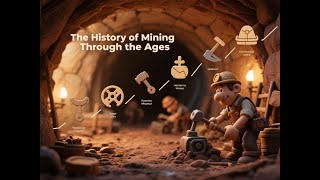
The History of Mining Through the Ages | Fun Facts for Kids | Mining Explained | What Is A Mine?
Facts about minerals and geology for kids
💎 The largest cut diamond, the Cullinan I (Great Star of Africa), is 530.4 carats — big enough to notice in a treasure pan!
🪨 Scientists have identified over 5,000 different mineral species on Earth, each with its own chemistry and sparkle.
🐚 Some fossils form when minerals slowly replace bones or shells, turning them into rock over thousands to millions of years.
⛏️ Panning works because heavy minerals sink — gold is about 19 times denser than water, so it drops to the bottom fast.
🔍 Quartz is one of the most common minerals and comes in many colors, making it a frequent and pretty find in gem kits.
How do I build and run a tabletop gemstone mine for kids?
What materials do I need for the tabletop gemstone mine activity?
What ages is the tabletop gemstone mine activity suitable for?
What safety tips should I follow during the gemstone mining activity?
