Introduce yourself in 15 seconds
Practice preparing and delivering a confident 15-second self-introduction, planning key details, timing your speech, and using clear voice and friendly body language.


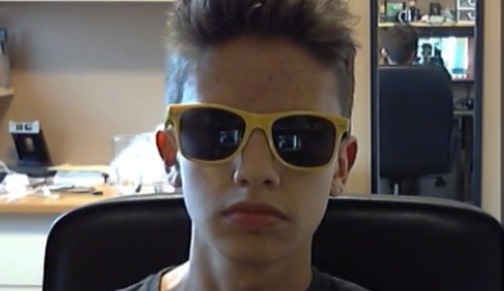

Step-by-step guide to introduce yourself in 15 seconds
The Hobbies Song for Kids | What Do You Like to Do? | Fun Kids English
Step 1
Set up your materials in a quiet spot so you can focus.
Step 2
Choose three key details to include: your name; one fun fact or favorite thing; one goal or something you like to do.
Step 3
Write a short script of about 25 to 40 words that includes those three details.
Step 4
Mark one spot in your script where you will take a quick breath with a small dot.
Step 5
Read your script aloud once at a normal pace to hear how it sounds.
Step 6
Use the timer to speak your script once and check if it fits 15 seconds.
Step 7
Edit your words on the paper to make the script fit the 15-second time if it is too long or too short.
Step 8
Stand in front of the mirror and practice while keeping a friendly smile and good posture.
Step 9
Practice the script three times with a clear voice and steady pace using the timer.
Step 10
Try using your small prop once while saying the script to add personality.
Step 11
Pick your favorite version and say it confidently two more times in a row.
Step 12
Share your finished 15-second self-introduction on DIY.org
Help!?
What can I use if I don't have a timer, mirror, or paper?
If you don't have a timer, use your phone's stopwatch or a kitchen timer; if you lack a mirror, use a window or your phone's front camera; and if you don't have paper, type the script into notes or use an index card.
My script doesn't fit 15 seconds or I keep forgetting to breathe where I put the dot—what should I do?
Edit the words on your paper to shorten or lengthen the 25–40 word script, make the small dot very visible for the breath spot, and use the timer plus the three practice runs to adjust pacing.
How can I adapt this activity for younger or older children?
For younger kids, shorten the script to about 10–15 simple words, use a visual timer and caregiver help instead of the mirror, and assist with placing the breath dot, while older kids can keep the 25–40 words, add a specific goal, use the small prop for personality, and polish it for sharing.
How can we make the 15-second introduction more interesting or personal?
Practice friendly gestures and posture in the mirror, try a meaningful small prop or simple costume while timing your run, record and review your favorite take, then pick that version and post it to DIY.org.
Watch videos on how to introduce yourself in 15 seconds
Talk About What You Like to Do | English Conversation for Beginners | English Podcast
4 Videos
Talk About What You Like to Do | English Conversation for Beginners | English Podcast
Learn English Speaking English Subtitles | What do you like to do?

What do you like to do? | ESL Video

I like doing v I like to do | Advanced English Grammar Lesson
Facts about public speaking for kids
⏱️ People often form a first impression in about 7 seconds — your 15-second intro can shape that impression!
🗣️ The average speaking rate is ~120–150 words per minute — that means a 15-second intro is only about 30–40 words.
👀 Keeping natural eye contact about half the time helps you seem confident and friendly.
😊 Smiling while you speak makes you appear more likable and can put listeners at ease.
🎤 Practicing out loud and timing yourself really helps — many speakers rehearse short pitches dozens of times.
How do I teach my child to introduce themselves in 15 seconds?
What materials do I need to practice a 15-second self-introduction with my child?
What ages is a 15-second self-introduction activity suitable for?
What are the benefits of practicing a 15-second self-introduction with my child?
