Identify a poisonous plant
Learn to identify a poisonous plant by studying photos, leaf shapes, berries, and habitat; practice safe observation without touching any wild plants.


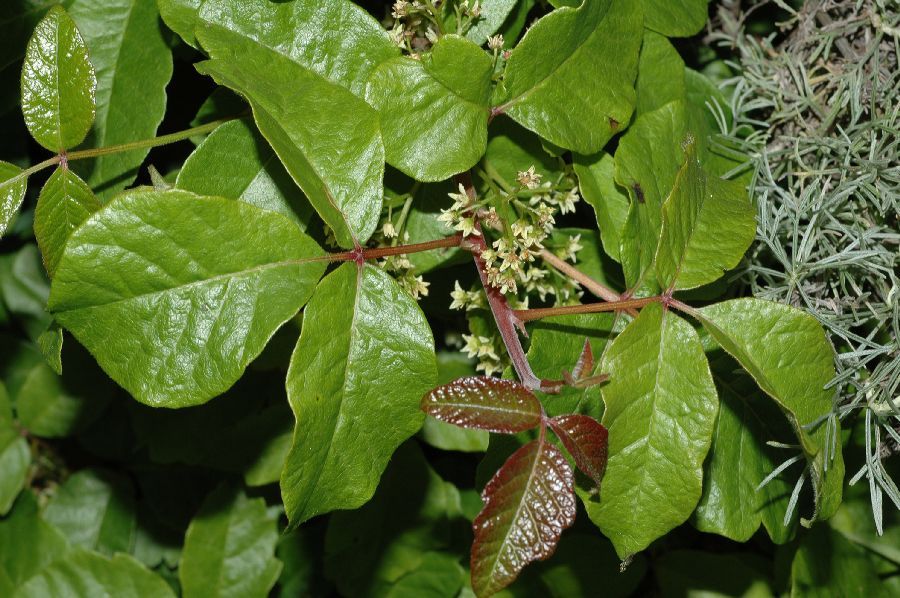

Step-by-step guide to identify a poisonous plant
How to Identify Poison Ivy! (Poison Ivy Facts for Kids)
Step 1
Gather all the materials from the list and put them in your backpack.
Step 2
Ask an adult to join you before you start the activity.
Step 3
Walk with your adult to a safe outdoor spot where you can look at plants.
Step 4
Stand at least an arm's length away from any wild plant you will look at.
Step 5
Open your field guide or printed photos and look for plants that look similar to the plants you see.
Step 6
Use the magnifying glass to study a plant's leaf edge shape and leaf arrangement from a distance.
Step 7
Draw the leaf shape and size in your notebook using your pencil.
Step 8
Look for berries on the plant and write down their color and where they grow without touching them.
Step 9
Write one short note about the plant's habitat such as whether it is in sun shade near water or by a path.
Step 10
Compare your drawing and notes to the photos in your guide and circle the features that match.
Step 11
If your guide shows a match that is poisonous write the word "Poisonous" next to your drawing.
Step 12
Make a poster page in your notebook showing the drawing key features and add a big "Do Not Touch" warning using colored pencils.
Step 13
Show your poster to the adult and explain one reason this plant is dangerous.
Step 14
Share your finished poster on DIY.org.
Help!?
What can we use if we don't have a magnifying glass or a printed field guide?
If you don't have a magnifying glass, use a phone camera's zoom or reading glasses to study leaf edge shape and arrangement from a safe arm's-length distance, and if you lack a printed field guide, load reputable plant photos or an ID app on your phone to compare during step 5.
What should we do if we can't tell whether a plant is poisonous when comparing to the photos?
If the match is unclear in step 12, keep your distance per step 4, take a clear photo from arm's length with your phone and show it to the adult or consult an online source before writing 'Poisonous' next to your drawing.
How can I adapt this activity for different ages?
For preschoolers have the adult supervise and let the child color one leaf in the notebook and add a 'Do Not Touch' sticker (steps 8, 14), for elementary kids have them write the habitat note and compare features (steps 9–12), and for teens add detailed notes like Latin names, take photos for DIY.org, and research toxicity reports before labeling a plant poisonous (steps 11–16).
How can we make the poster project more engaging or informative?
Enhance step 14 by adding a phone photo of the plant, a tiny hand-drawn map of its location, laminated protection, and a bulleted safety tip box explaining why it's dangerous to show the adult in step 15 and when posting on DIY.org (step 16).
Watch videos on how to identify a poisonous plant
30 Poisonous Plants Names for Kids - Learn Toxic Flora for Children
4 Videos
30 Poisonous Plants Names for Kids - Learn Toxic Flora for Children
What Are The Most Poisonous Plants For Toddlers? - Raising A Toddler

Can Plants Be Poisonous? - Raising A Toddler

How Do You Identify Poisonous Plant Reactions? - Survival Skills for Everyone
Facts about poisonous plant identification and safety
🌿 "Leaves of three, let it be" — poison ivy usually has three leaflets on each stem, an easy spotting trick.
⚠️ About 85% of people are sensitive to urushiol, the oily chemical in some plants that causes itchy rashes.
🔥 Never burn poison plants — urushiol can become airborne in smoke and cause serious lung and skin injuries.
🧥 Urushiol can stay active for years on clothing, tools, and pet fur, so washing gear carefully is important.
💧 Poison sumac prefers swampy habitats and often has 7–13 leaflets per stem, unlike poison ivy's three.
How do I teach my child to identify poisonous plants safely?
What materials do I need to help a child learn poisonous plant identification?
What ages is this poisonous-plant identification activity suitable for?
What safety rules should children follow when identifying poisonous plants?
