How to draw Blue's clues - a free Blue's clues drawing guide
Draw Blue from Blue's Clues step-by-step using simple shapes and colors. Practice paw prints and expressions to improve observation and drawing skills.


Drawing Apps
Photos of drawings of Blue from Blue's Clues
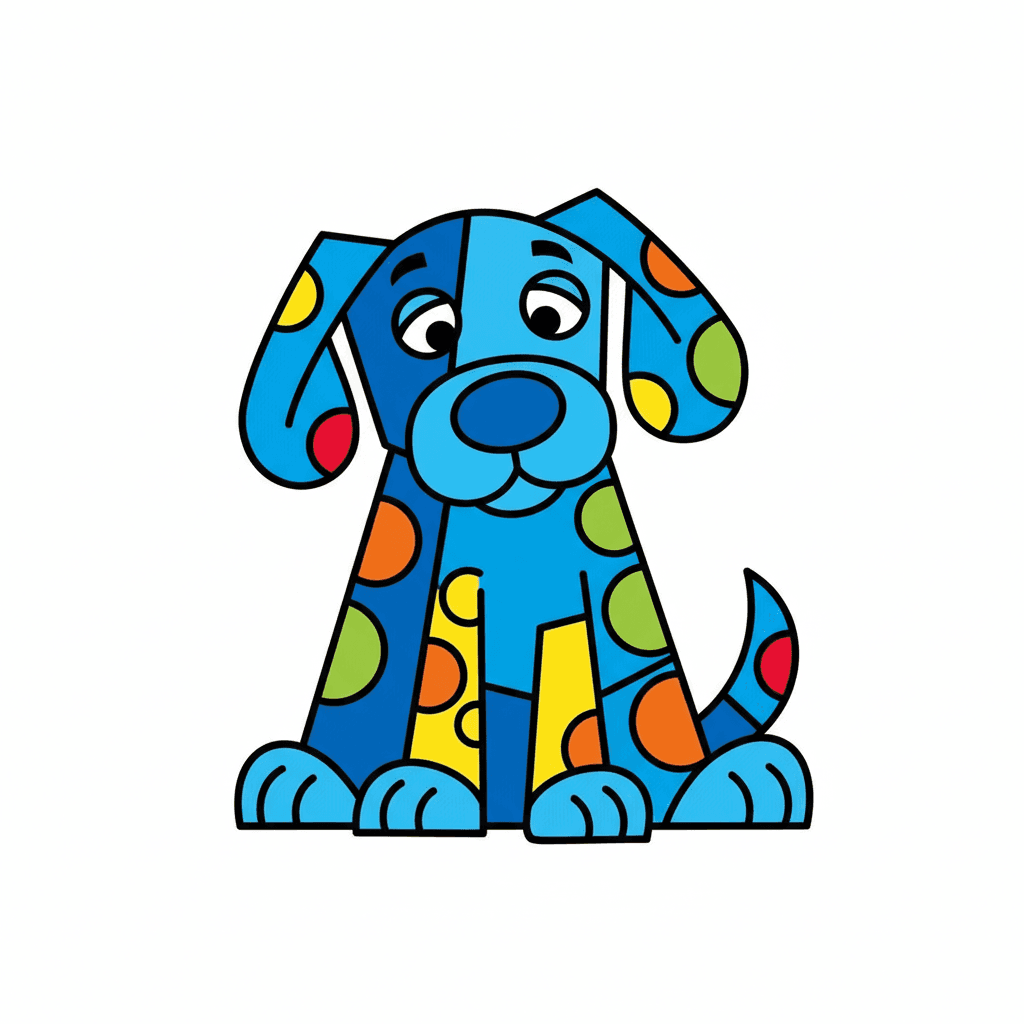
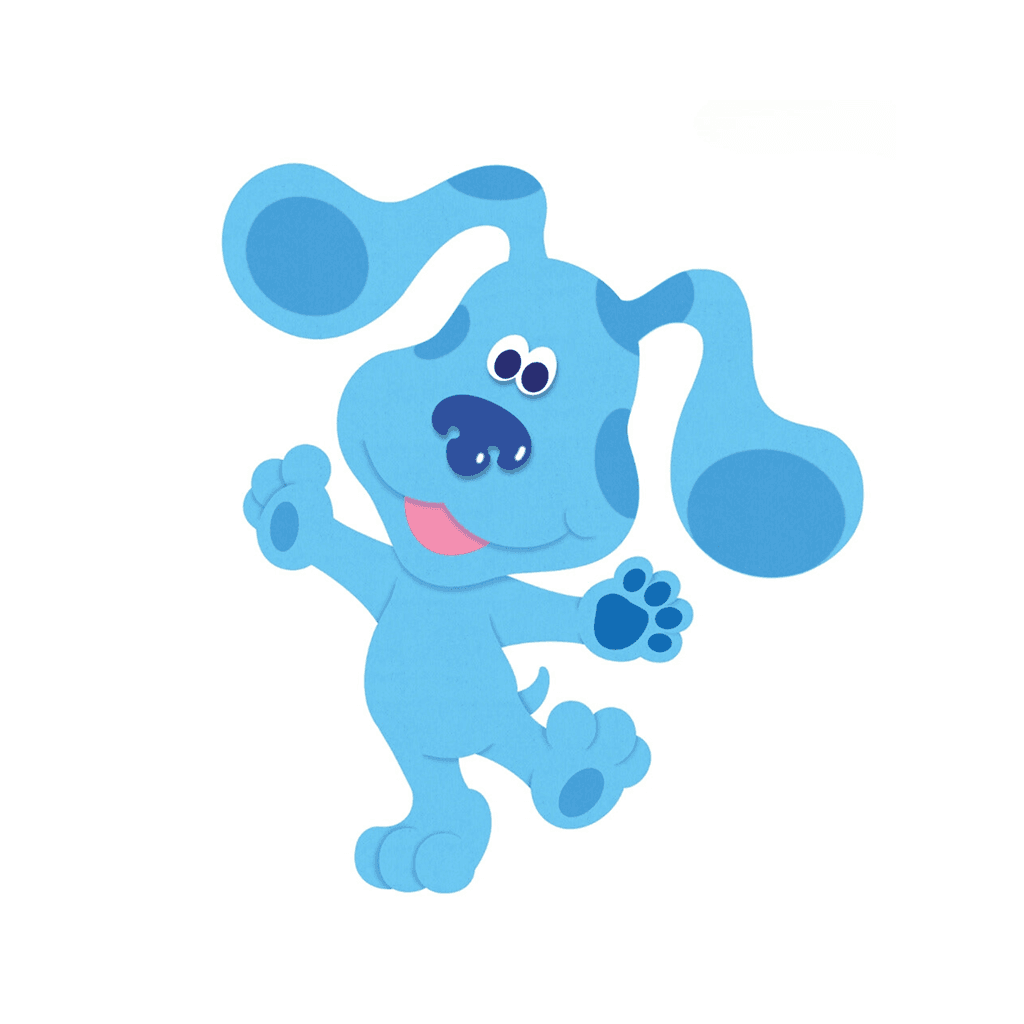

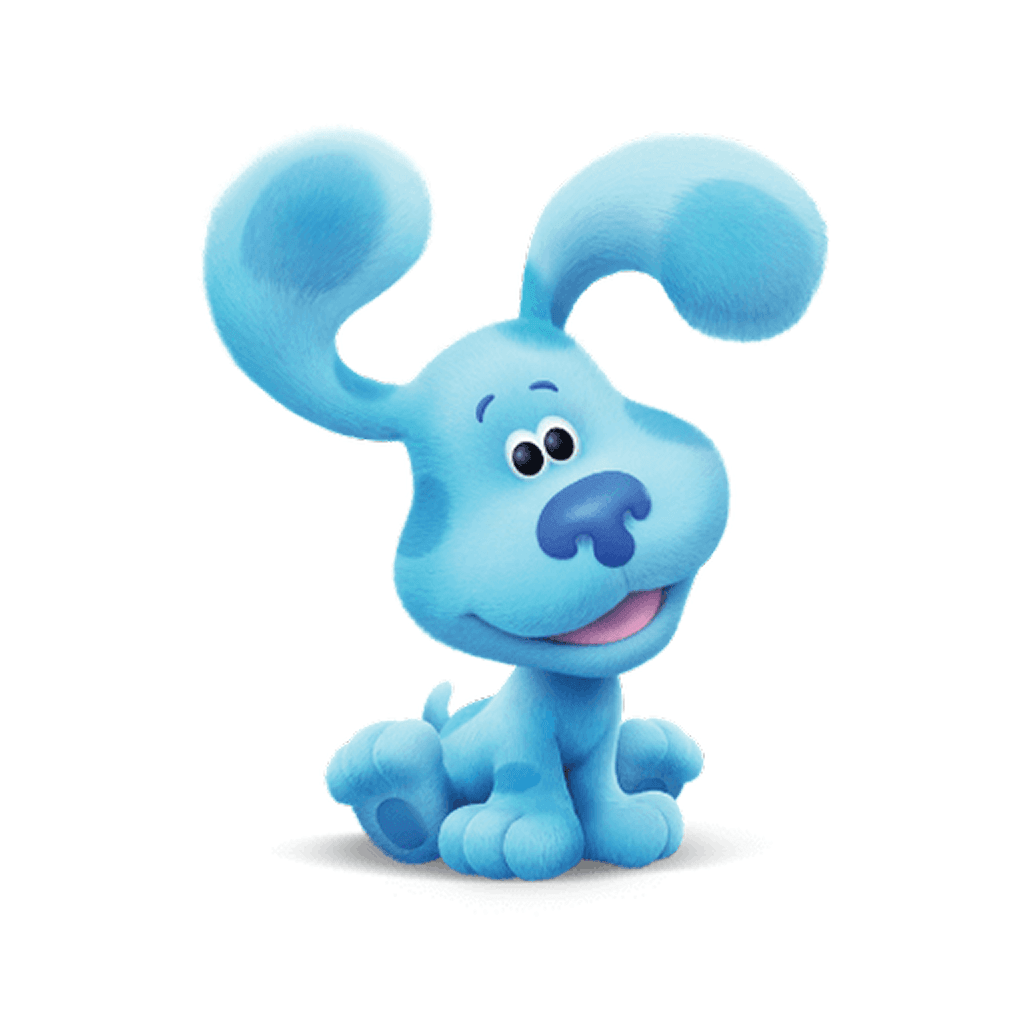
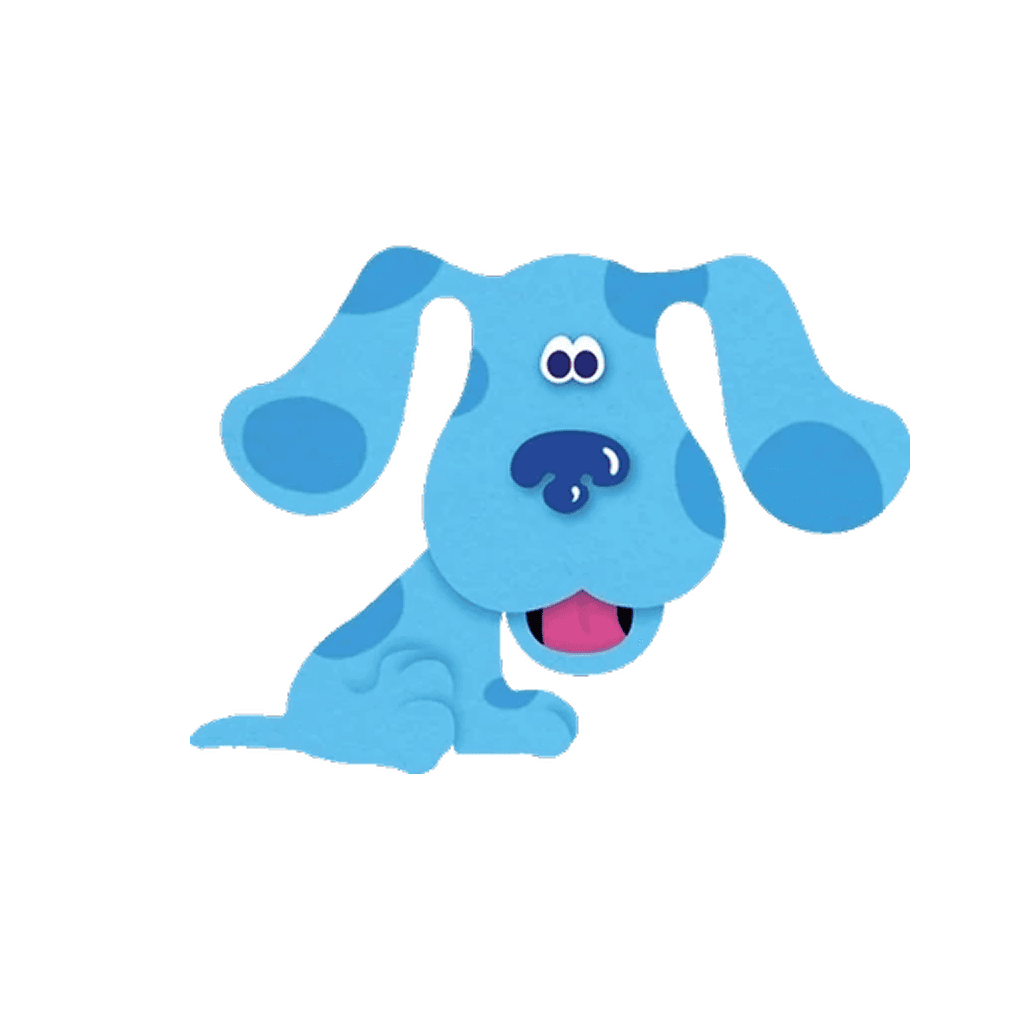
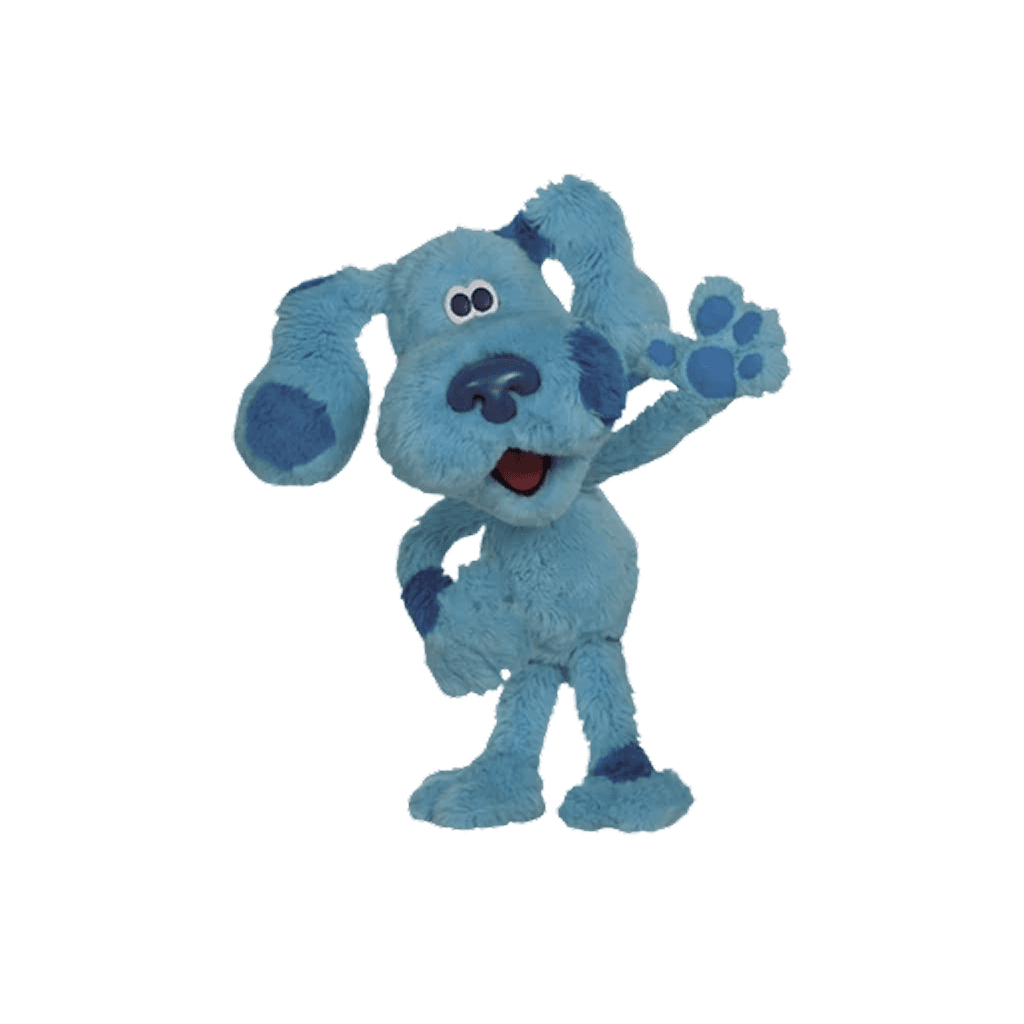
Step-by-step guide to draw Blue from Blue's Clues
How to Draw Blue from Blues Clues step by step
Step 1
Lay your paper and all your drawing tools where you can reach them.
Step 2
Draw a big round circle near the top of the paper for Blue’s head.
Step 3
Draw a slightly larger oval under the head for Blue’s body.
Step 4
Draw two long floppy rounded ears on the top sides of the head.
Step 5
Draw two round eyes inside the head space for Blue’s eyes.
Step 6
Draw a small oval under the eyes for Blue’s nose.
Step 7
Draw a curved smiling mouth below the nose.
Step 8
Draw four short rounded legs under the body so Blue can stand.
Step 9
Draw a short curved tail on one side of the body.
Step 10
Draw several round patches on the body and ears to make Blue’s darker spots.
Step 11
Practice paw prints by drawing three paw prints in a row at the bottom of the page.
Step 12
Practice expressions by drawing two small faces showing different feelings (like happy and surprised).
Step 13
Color Blue’s head body ears and legs with the light blue coloring tool.
Step 14
Color Blue’s spots with the dark blue coloring tool.
Step 15
Take a photo or scan your finished Blue and share your creation on DIY.org
Help!?
What can we use if we don't have the light blue or dark blue coloring tools called for in the instructions?
If you don't have light- or dark-blue coloring tools, use light/dark blue crayons, markers, colored pencils, washable paint, or cut and glue light/dark blue construction paper for Blue's head, body, ears, legs, and spots.
My Blue looks lopsided — how can we fix proportions or ear placement when following the head, body, and ear steps?
If Blue looks lopsided, lightly sketch the big round circle near the top and the slightly larger oval under it as guidelines, mark ear positions on the head's top sides, then erase and refine before adding the eyes, nose, mouth, and coloring.
How can we adapt this drawing activity for younger children or older kids who want more challenge?
For younger children, simplify by tracing or using circle/oval stickers and chunky crayons to make a basic head, body, one smiling face, and three paw prints, while older kids can add shading, more detailed patches and expressions, practice varied paw-print rows, and scan the finished Blue to edit or share on DIY.org.
What are simple ways to extend or personalize the finished Blue drawing?
Extend and personalize the activity by adding a background scene with a trail of paw prints leading to a clue, giving Blue a name tag or outfit, making spots from dark-blue paper collage, and then taking a photo or scan to share on DIY.org.
Watch videos on how to draw Blue from Blue's Clues
Blue's Clues: How to Draw Blue | Easy
4 Videos

Blue's Clues: How to Draw Blue | Easy
How to Draw w/ Josh and Blue 🖍️| Drawing for Kids | Blue's Clues & You!
Blues Clues: How to Draw Steve | Easy Drawing Tutorial
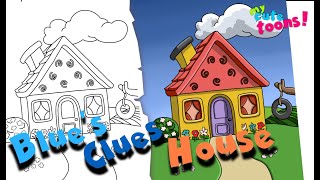
Blue's Clues: How to Draw Blue's Clues House | Easy Drawing Tutorial
Facts about character drawing for kids
🐶 Blue is a blue-spotted dog who communicates by leaving paw-print clues instead of speaking full sentences.
🐾 The paw print clue is the show's signature puzzle tool that helps viewers solve one mystery per episode.
🎨 Blue's simple look—big shapes and a small color palette—makes the character easy for kids to draw.
🙂 The show's exaggerated facial expressions help children learn to read emotions and practice observation.
✏️ Many artists start character drawings with basic shapes (circles, ovals, rectangles) — the same trick used to build Blue.
How do I teach my child to draw Blue from Blue's Clues step-by-step?
What materials do I need to draw Blue from Blue's Clues?
What ages is this drawing activity suitable for?
What are the benefits of practicing paw prints and expressions when drawing Blue?
