How to draw a tulip - a free tulip drawing guide
Draw a simple tulip using basic shapes; add a stem, leaves, and color. Practice step-by-step observation and fine motor skills.


Drawing Apps
Get inspired with these
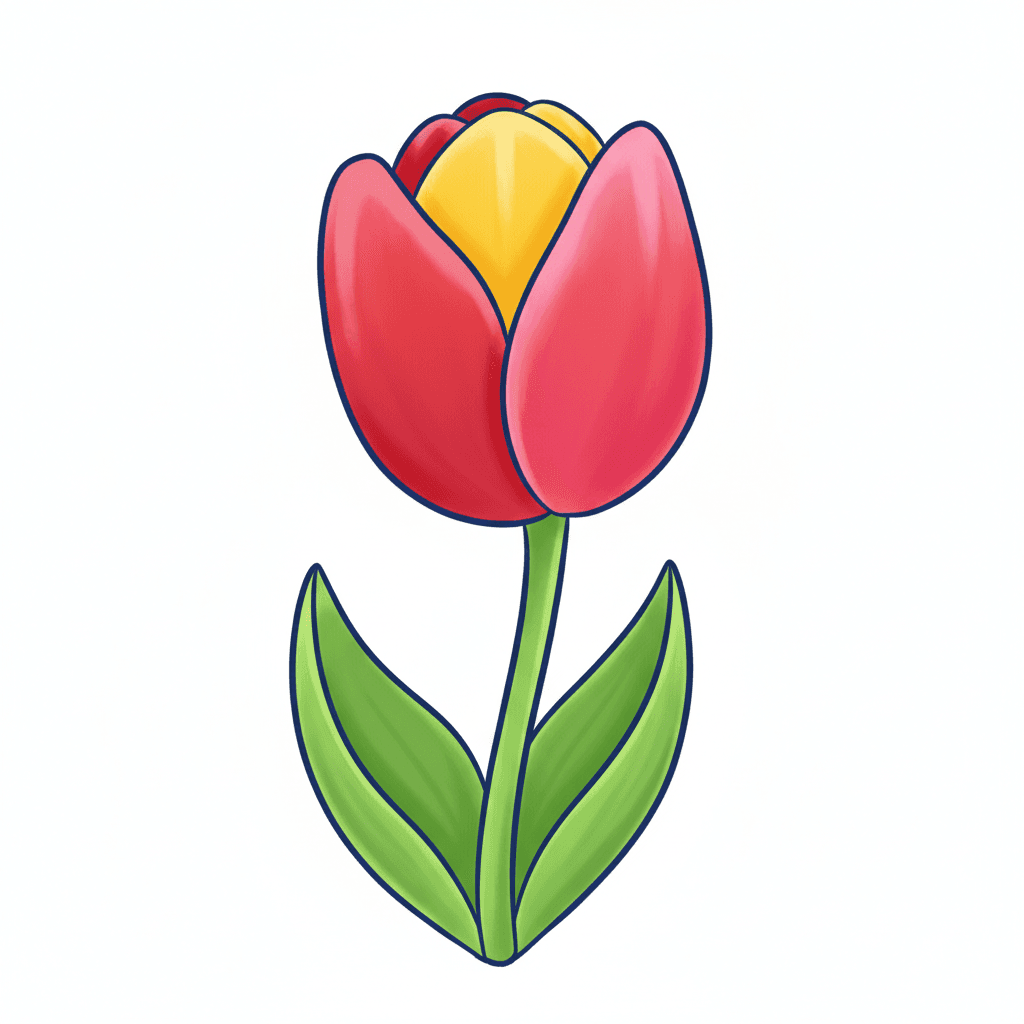
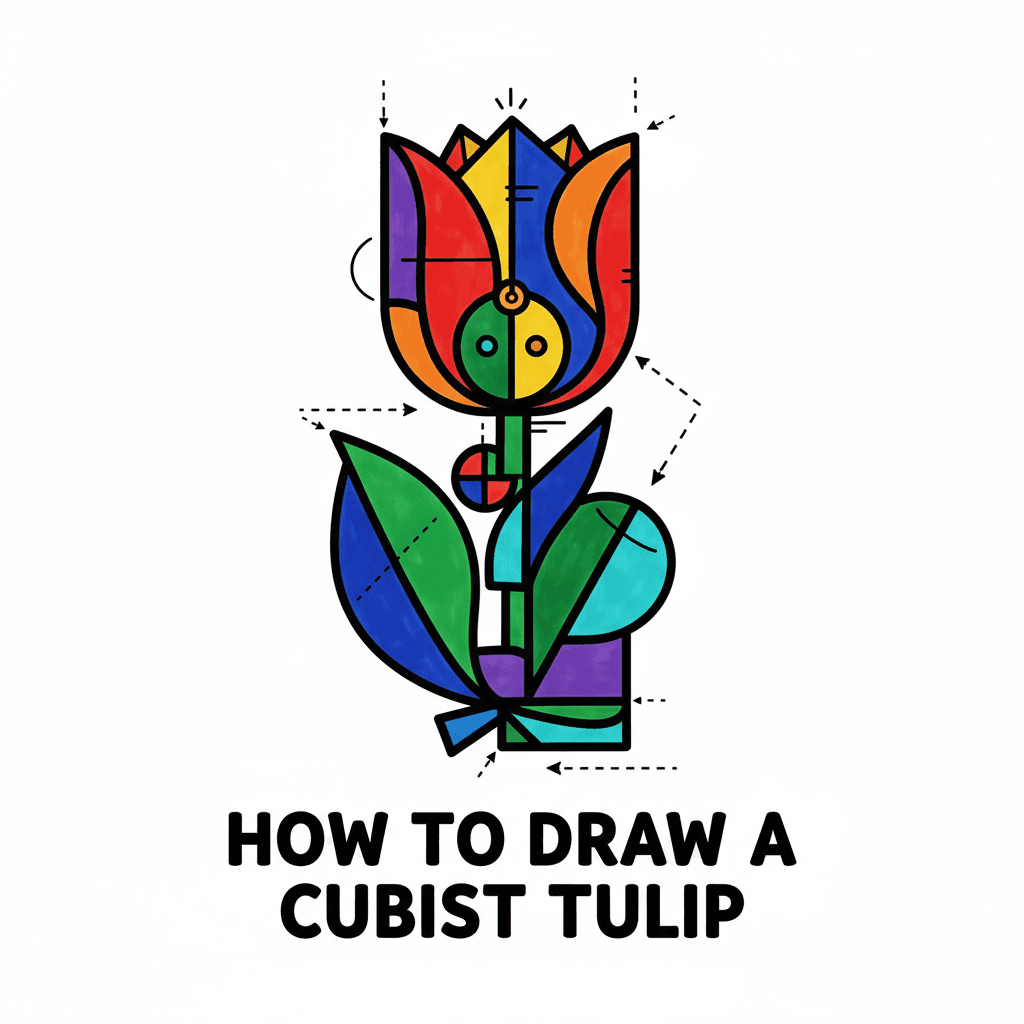
Instructions
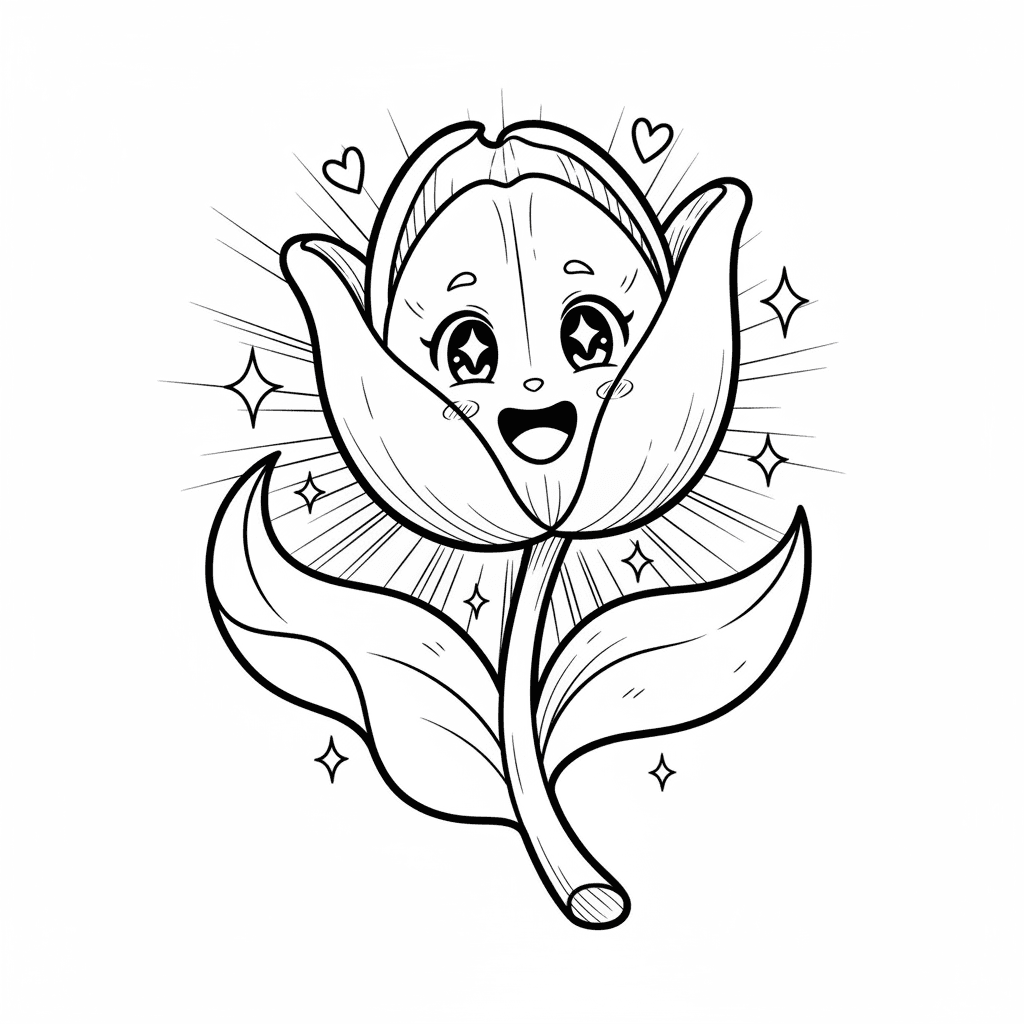
How To Draw A Cartoon Tulip
Step 1
Place one sheet of paper in front of you in portrait orientation.
Step 2
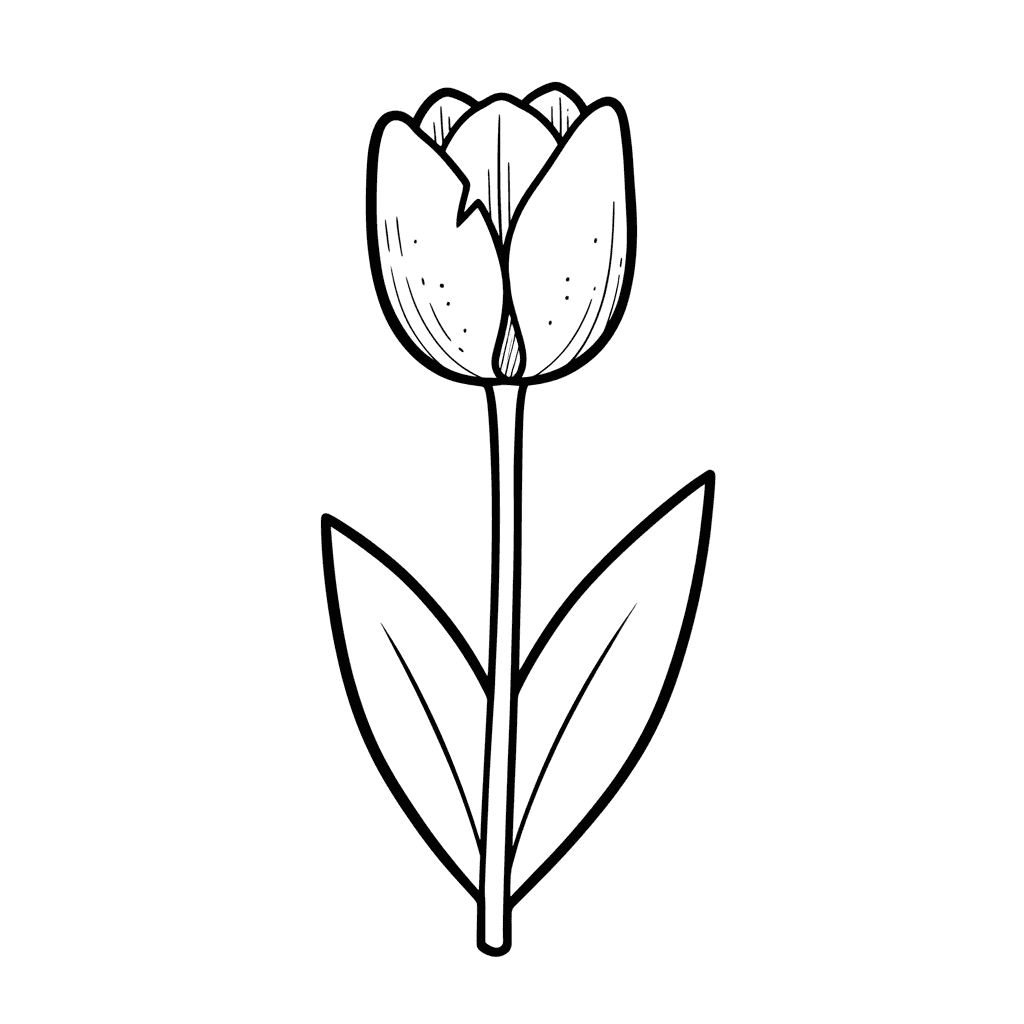
Lightly draw a medium-sized oval near the top third of the paper for the tulip bloom.
Step 3
Draw a small V shape at the bottom center of the oval to make the inner petal notch.
Step 4
Draw two short curved lines from the sides of the V out to the oval edge to form the side petals.
Step 5
Draw two parallel slightly curved lines from the bottom of the bloom down toward the bottom edge to make the stem.
Step 6
Draw a long curved leaf shape starting halfway down the stem pointing away from the stem.
Step 7
Draw another long curved leaf shape starting lower on the other side of the stem.
Step 8
Erase any extra pencil lines inside your petal stem and leaf shapes so the drawing looks neat.
Step 9
Trace over the final outlines of the bloom stem and leaves with a black marker or darker pencil.
Step 10
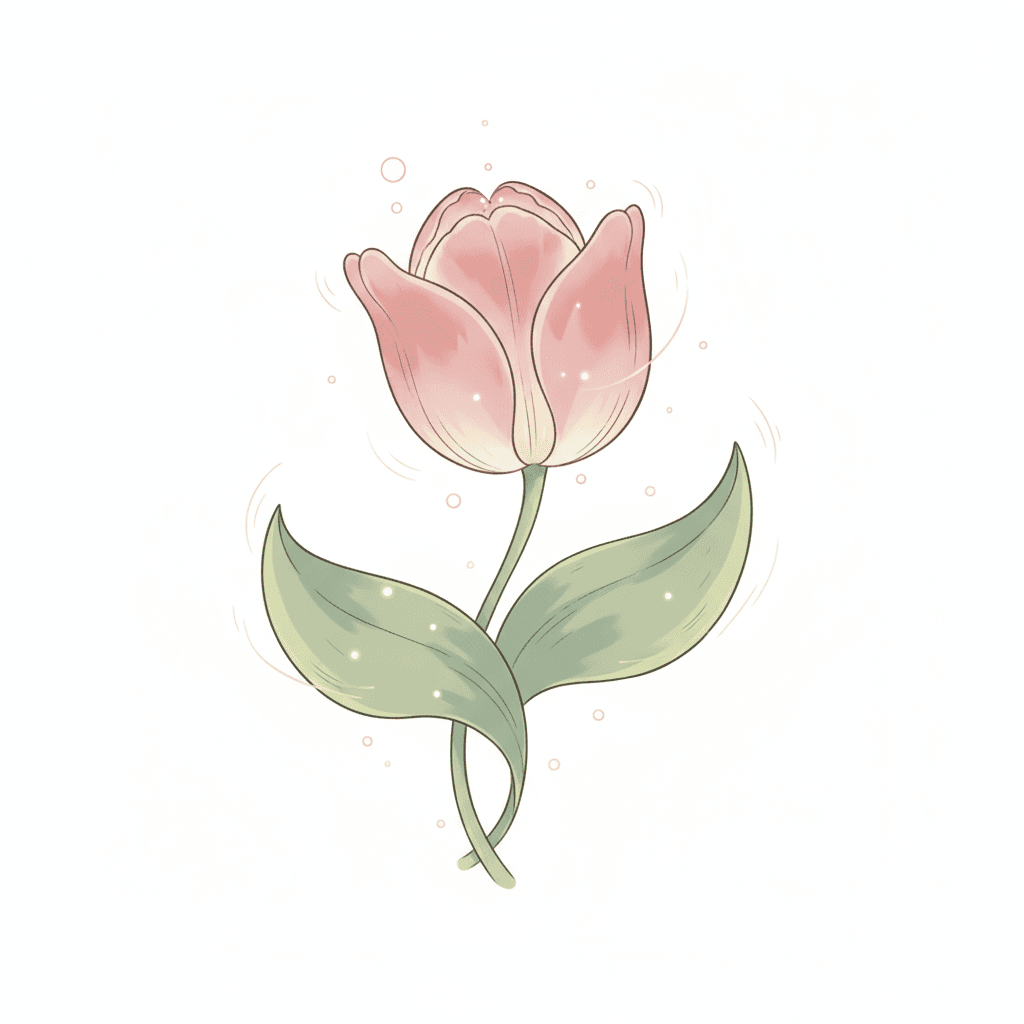
Color the petals with one bright color of your choice.
Step 11
Color the stem and leaves green.
Step 12
Share your finished tulip on DIY.org.
Help!?
What can we use if we don't have a black marker or the recommended sheet of paper?
If you don't have a black marker or a plain sheet of paper, use a darker pencil, ballpoint pen, or dark crayon for tracing and substitute any sturdy paper like cardstock or recycled cardboard cut to portrait orientation.
My petals look messy or leftover pencil lines show after tracing — how can I fix that?
Lightly sketch the medium-sized oval, V notch, side petals, stem, and leaves first so you can adjust shapes, then carefully erase extra pencil lines inside your petal, stem, and leaf shapes before tracing the final outlines with a black marker or darker pencil.
How can I adapt this tulip drawing activity for toddlers and older kids?
For toddlers, give a pre-drawn oval to trace and have them color the petals and green stem, while older kids can add extra petals, veins on the leaves, shading, or draw a whole tulip field after tracing the final outlines.
How can we personalize or extend the tulip drawing to make it more creative?
Personalize the tulip by using two or more colors or patterns on the petals instead of one bright color, add background details like grass, sky, a vase or bouquet, sign your work, and then share the finished tulip on DIY.org.
Related videos
How To Draw A Flower (Tulip)- Preschool
4 Videos
How To Draw A Flower (Tulip)- Preschool
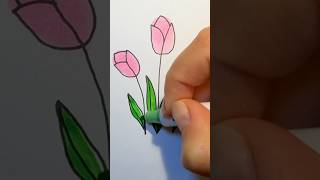
How to draw tulips easy🌷 Step by step drawing for kids
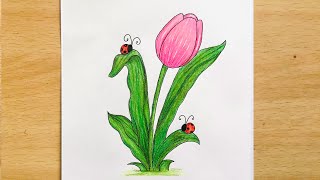
How To Draw Tulip Flower Step by Step Easy for Beginners
How to Draw a Tulip 🌷 Easiest Drawing a flower for Kids and beginners #lidoartworks
Fun Facts
🌷 Over 3,000 cultivated varieties of tulips exist, showing almost every color — but a true blue tulip doesn’t naturally occur.
🌈 Some tulips have streaky “broken” patterns caused by a virus, and these unusual looks were once so prized they sparked Tulip Mania.
🌍 Tulips originally grew in Central Asia and were brought to Europe in the 1500s, where they became hugely popular.
🎨 Famous artists who painted gardens and flowers, like Claude Monet, can give you colorful ideas for drawing tulips.
✏️ A simple tulip can be drawn with three basic shapes — a rounded bloom, a curved stem, and long leaves — great for practicing fine motor skills.
How do I teach my child to draw a simple tulip step-by-step?
What materials do I need to draw a tulip with my child?
What ages is drawing a simple tulip suitable for?
What are the benefits of drawing tulips with kids?
