How to draw a hawk - a free hawk drawing guide
Draw a realistic hawk step by step using pencil and paper, focusing on body shapes, wing structure, and feather details. Practice proportion and texture.



Drawing Apps
Get inspired with these
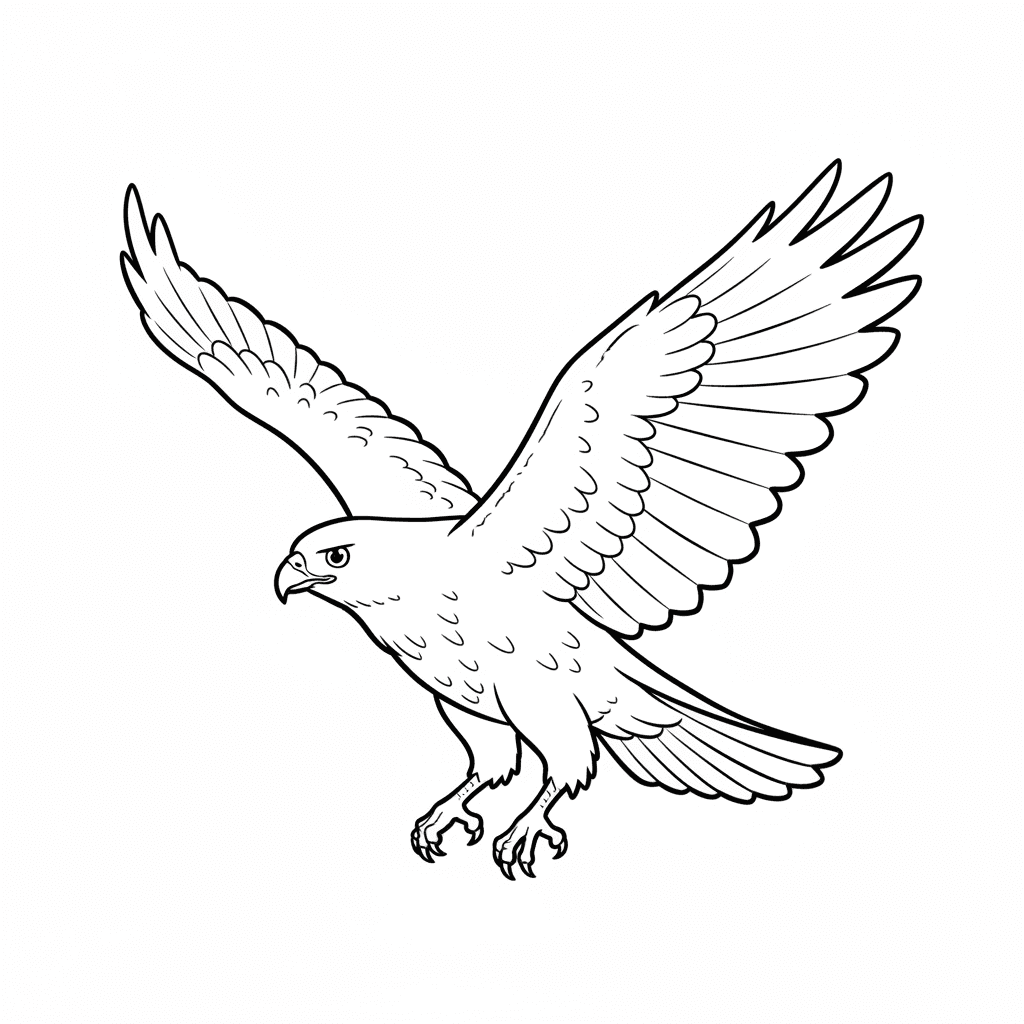
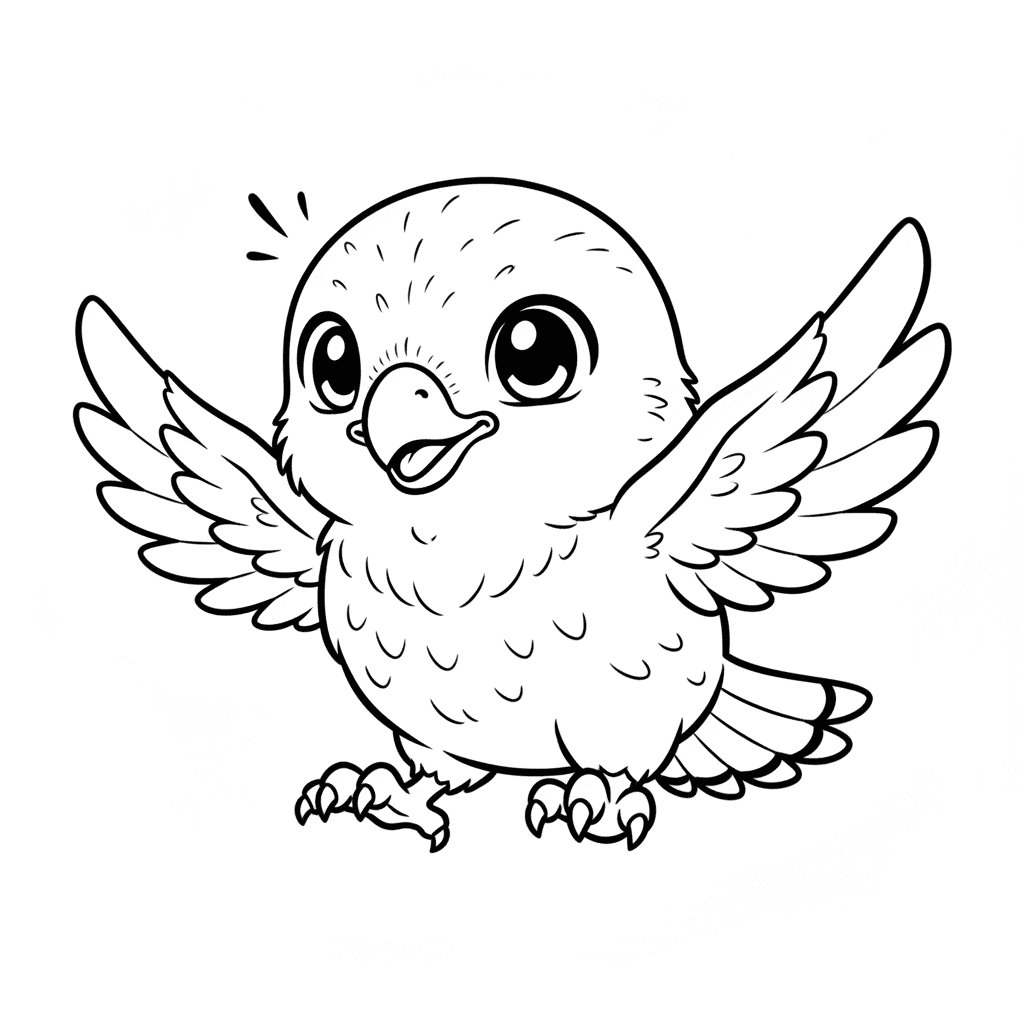
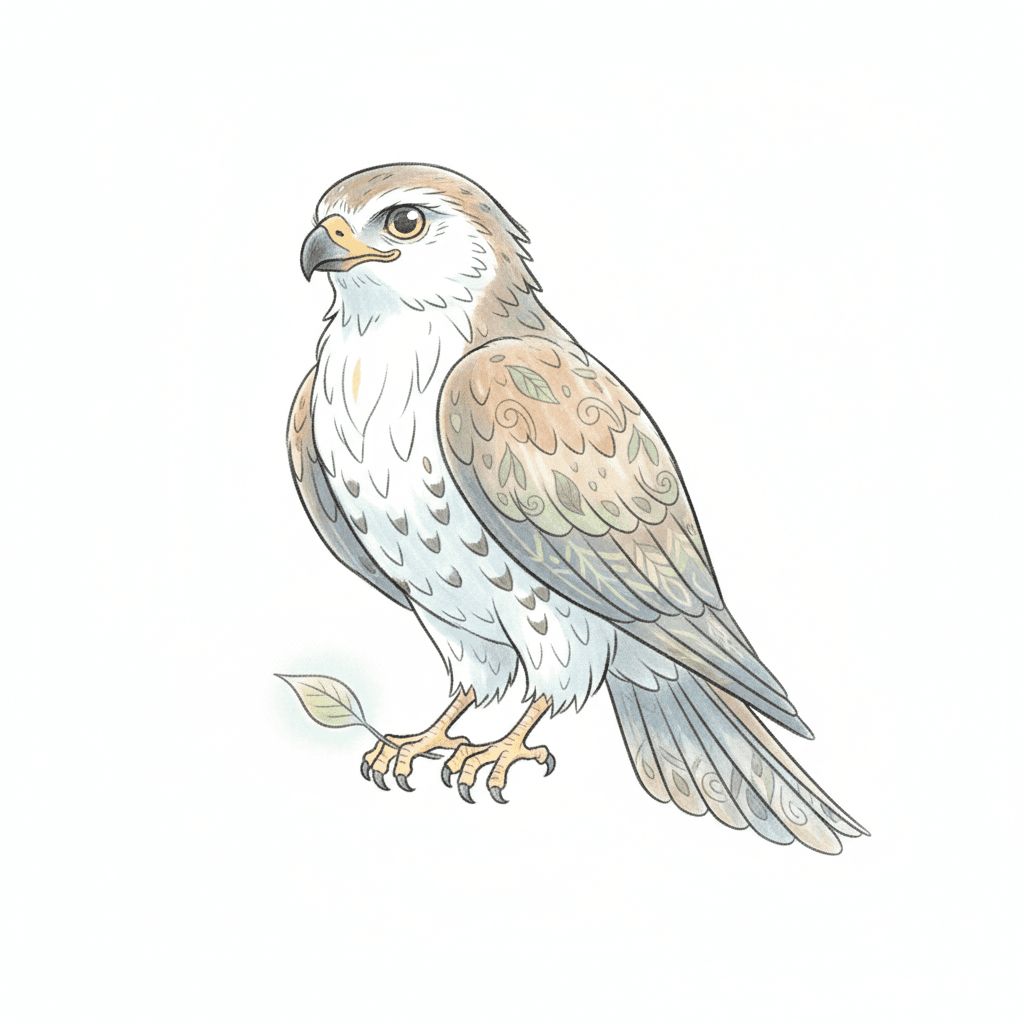
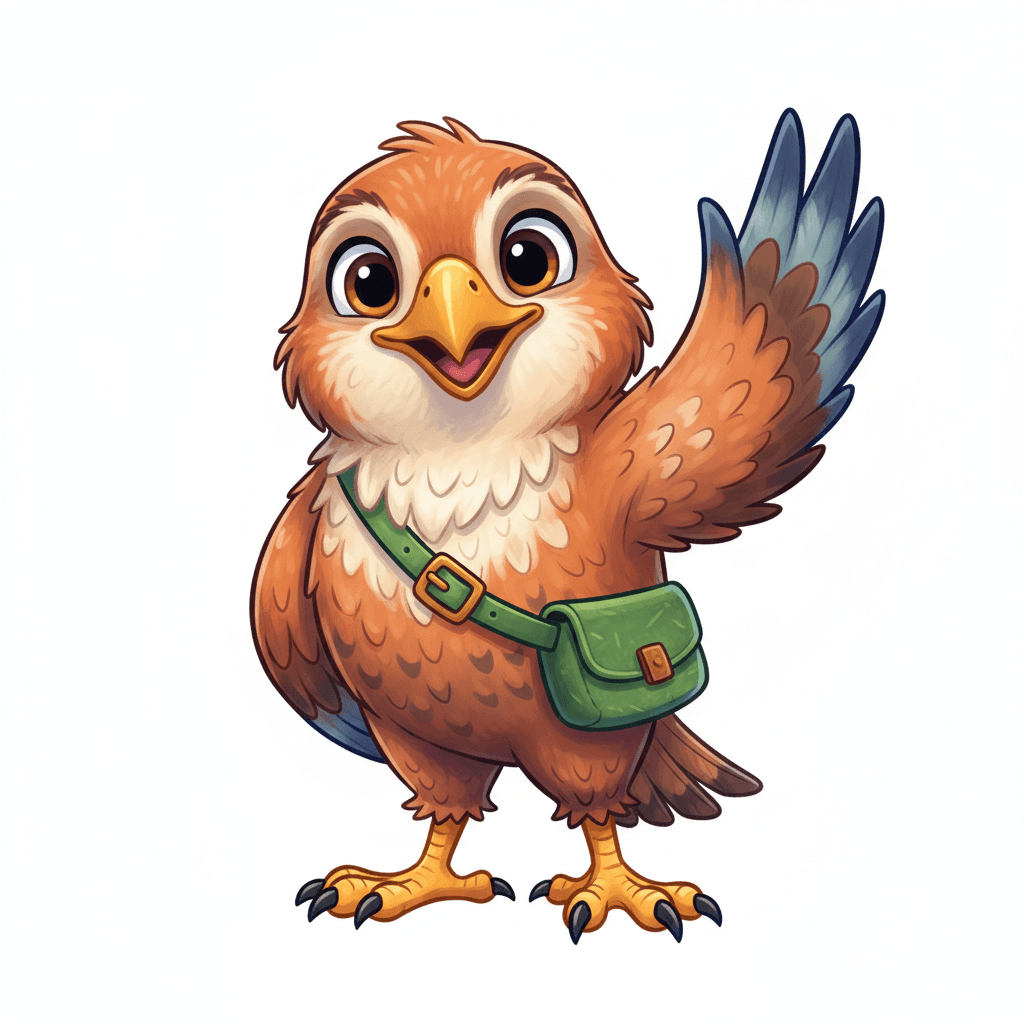
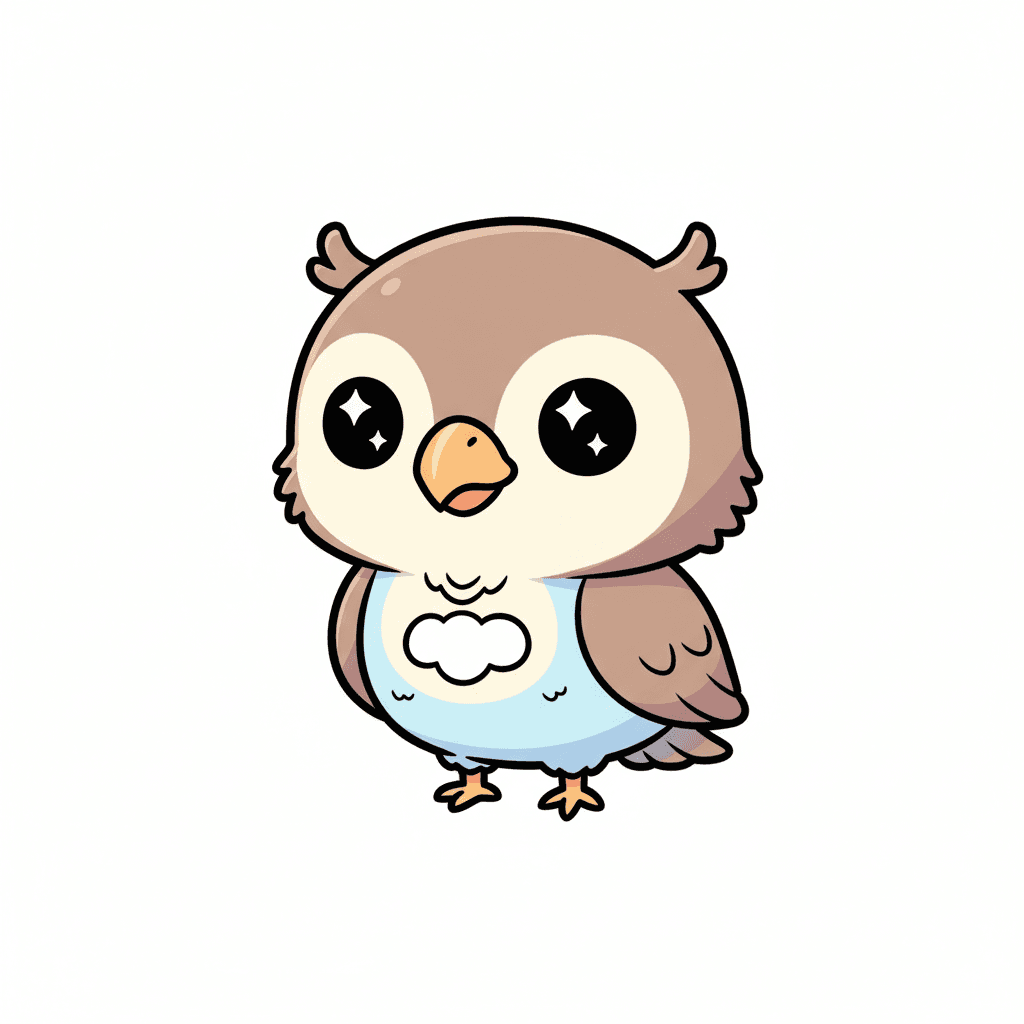
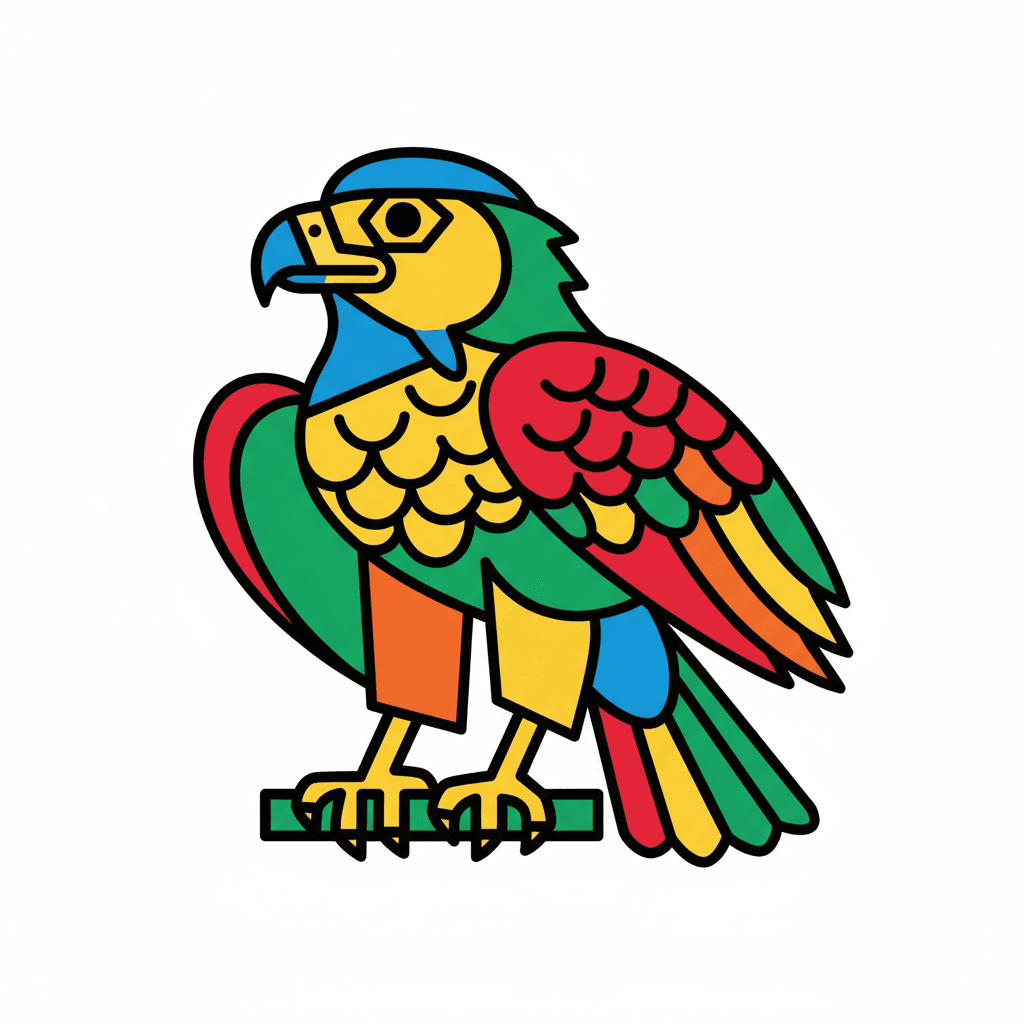
Instructions
How to Draw a Hawk Step by Step Easy for Beginners/Kids - Simple Hawks Drawing Tutorial
Step 1
Set up your paper and a sharpened pencil in front of you so you are comfortable and ready to draw.
Step 2
Lightly draw a small circle for the head and a larger tilted oval for the body to map the hawk’s basic proportions.
Step 3
Draw a short curved line connecting the head circle to the body oval to form the neck.
Step 4
Add a long tapered triangle shape to the back of the body to mark the tail.
Step 5
Sketch a long curved line from the shoulder area toward the tail to mark the top edge of the wing.
Step 6
Draw the wing’s bottom edge and divide the space into long feather sections by sketching finger-like shapes for the primary feathers.
Step 7
Use overlapping short curved strokes across the body and tail to suggest feathers and texture.
Step 8
Draw a small round eye on the head about halfway down the head circle.
Step 9
Add a sharp hooked beak in front of the head, keeping it slightly pointed and curved.
Step 10
Sketch two legs under the body and draw strong talons gripping an invisible perch or branch.
Step 11
Erase extra guideline marks gently and refine the hawk’s outline so it looks clean and neat.
Step 12
Add shading and fine feather details with short strokes and soft smudging using a blending stump or tissue to show volume.
Step 13
Take a picture of your finished realistic hawk and share your creation on DIY.org.
Help!?
What can I use if I don't have a blending stump or tissue for the smudging step?
For the 'Add shading and fine feather details' step you can softly smudge pencil strokes with a clean fingertip, a cotton swab, or a folded paper towel as substitutes for a blending stump or tissue.
My hawk's proportions look wrong after drawing the head circle and body oval — how can I fix it?
If proportions look off, gently erase and redraw the small head circle or the larger tilted body oval until the neck curve connects them smoothly before adding the wing and tail lines.
How can I change this activity for younger or older children?
For younger kids use large paper and a thick marker to trace a printed head circle and body oval for the mapping step, while older kids can add detailed 'short strokes' feather texture, more shading with a blending stump, and work from hawk reference photos.
How can we extend or personalize the hawk drawing after refining and erasing guidelines?
Personalize the drawing by adding a detailed branch under the talons, a sky background or color with colored pencils, sign your work, then take a picture of your finished realistic hawk to share on DIY.org.
Related videos
How to Draw a Hawk In 6 EASY Steps - GREAT for Kids & Beginners
4 Videos
How to Draw a Hawk In 6 EASY Steps - GREAT for Kids & Beginners
How to Draw a Hawk Drawing Easy Step by Step Sketch
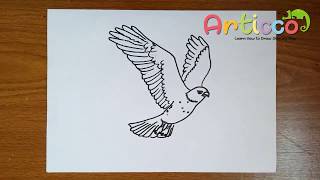
How to Draw a Hawk For Kids
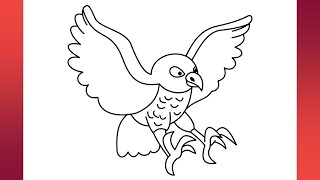
How to draw Hawk step by step
Fun Facts
🦅 Hawks can see up to 8 times more clearly than humans, so they can spot tiny prey from hundreds of feet up.
👀 A hawk's eyes take up a larger portion of its skull than humans', giving excellent depth perception for fast dives.
🪶 Feathers are made of keratin (the same material as hair) and have tiny interlocking hooks—great detail to show in pencil texture.
📏 Many hawks have wingspans roughly twice their body length, a handy proportion rule when sketching full poses.
🎨 Juvenile hawks often show streaky, mottled plumage while adults have cleaner patterns—use this to vary feather designs.
How do I draw a realistic hawk step by step?
What materials do I need to draw a realistic hawk with pencil and paper?
What ages is drawing a realistic hawk suitable for?
What are the benefits of having my child draw realistic birds like a hawk?
