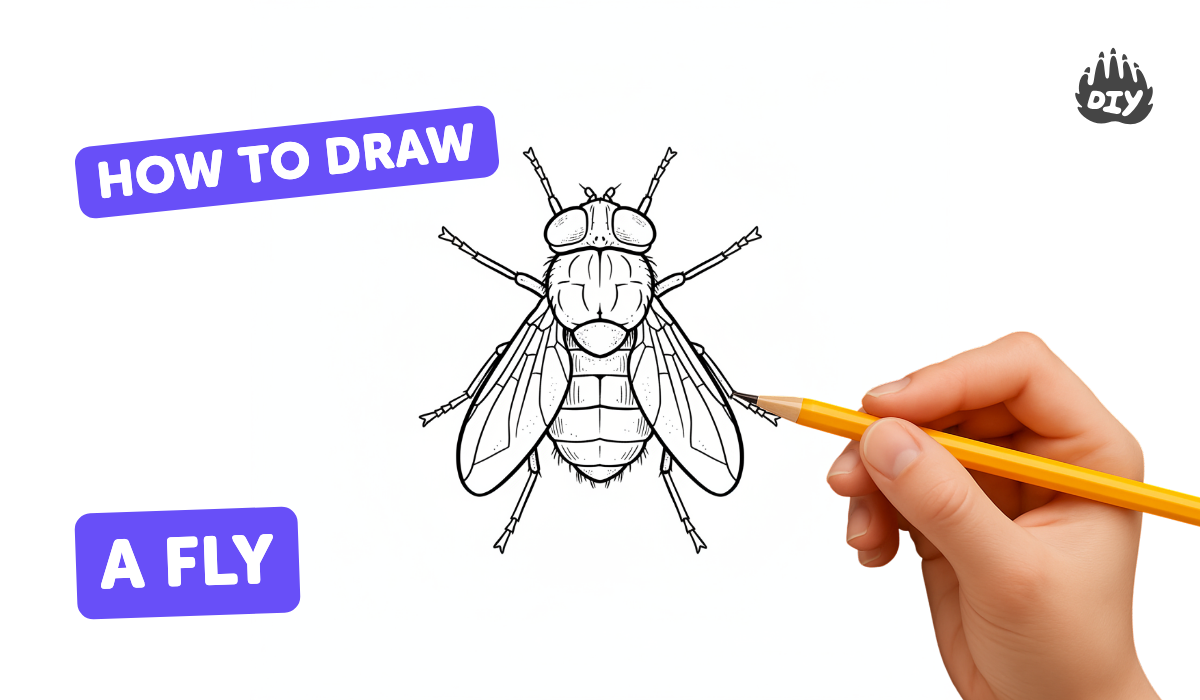
How to draw a fly - a free fly drawing guide
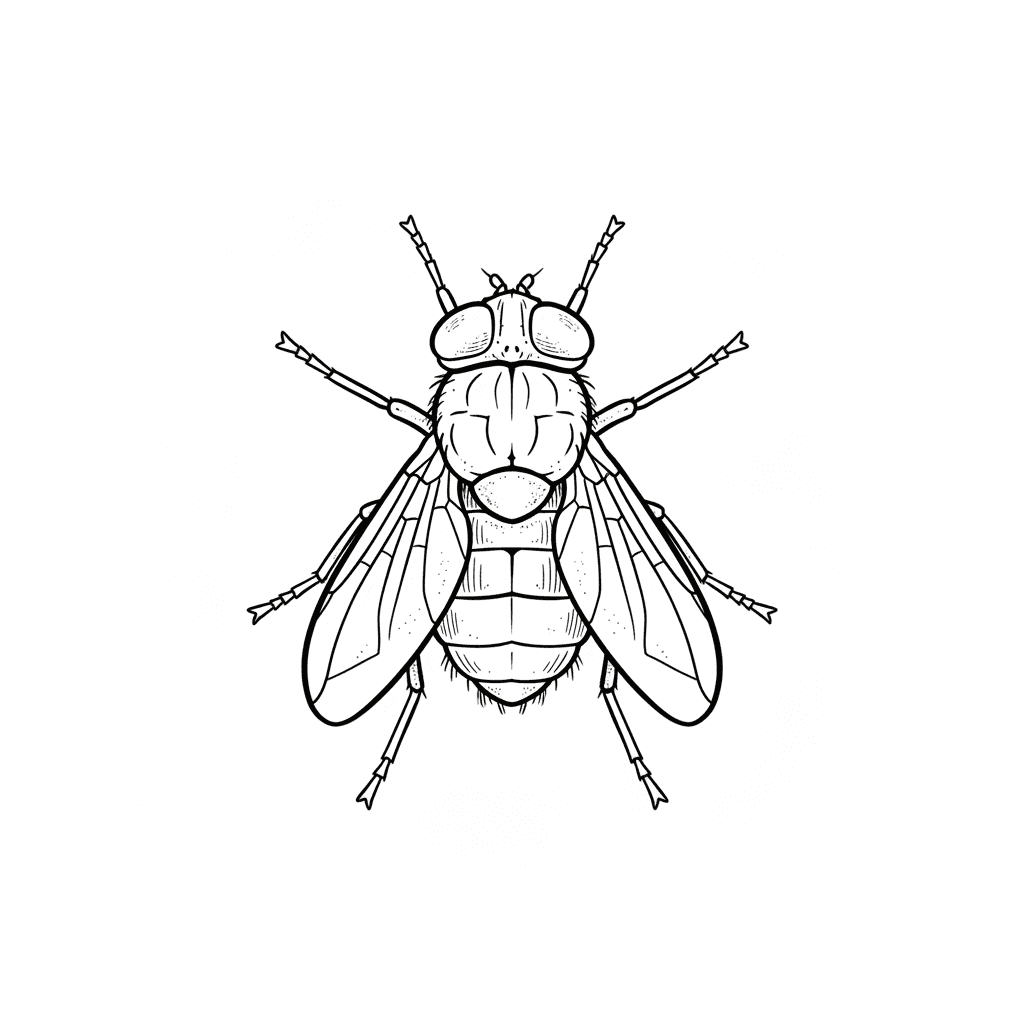
Draw a detailed housefly step-by-step using simple shapes, texture, proportion, and shading techniques. Practice observation, careful lines, and symmetry for realistic results.


Drawing Apps
Photos of housefly drawing examples
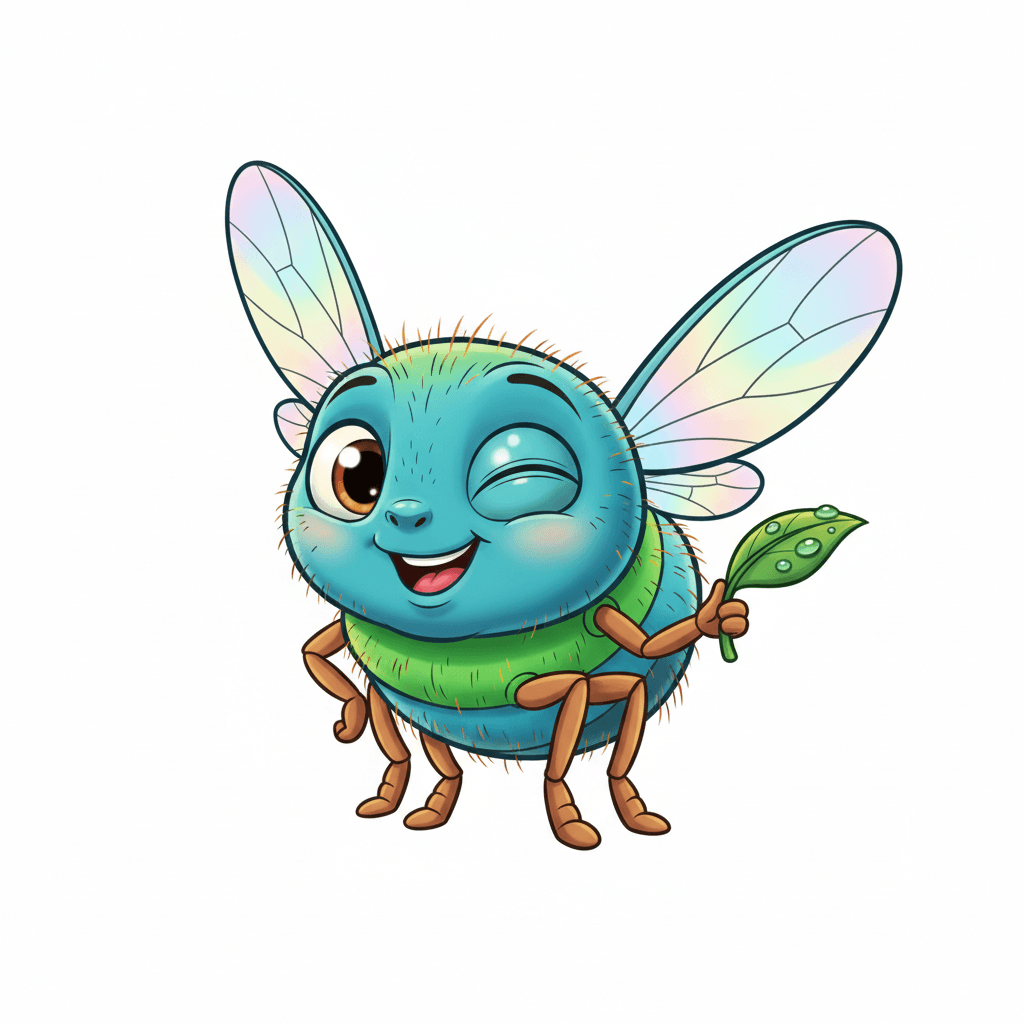
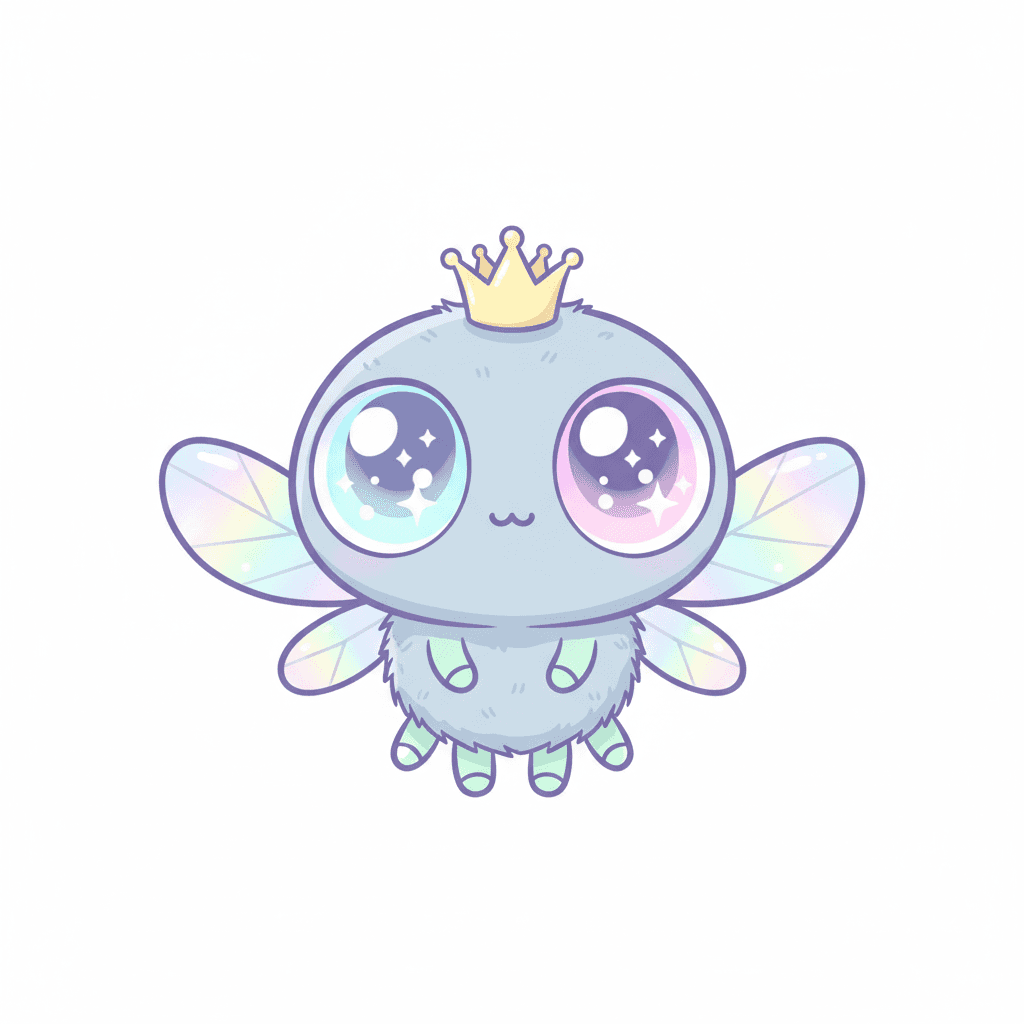
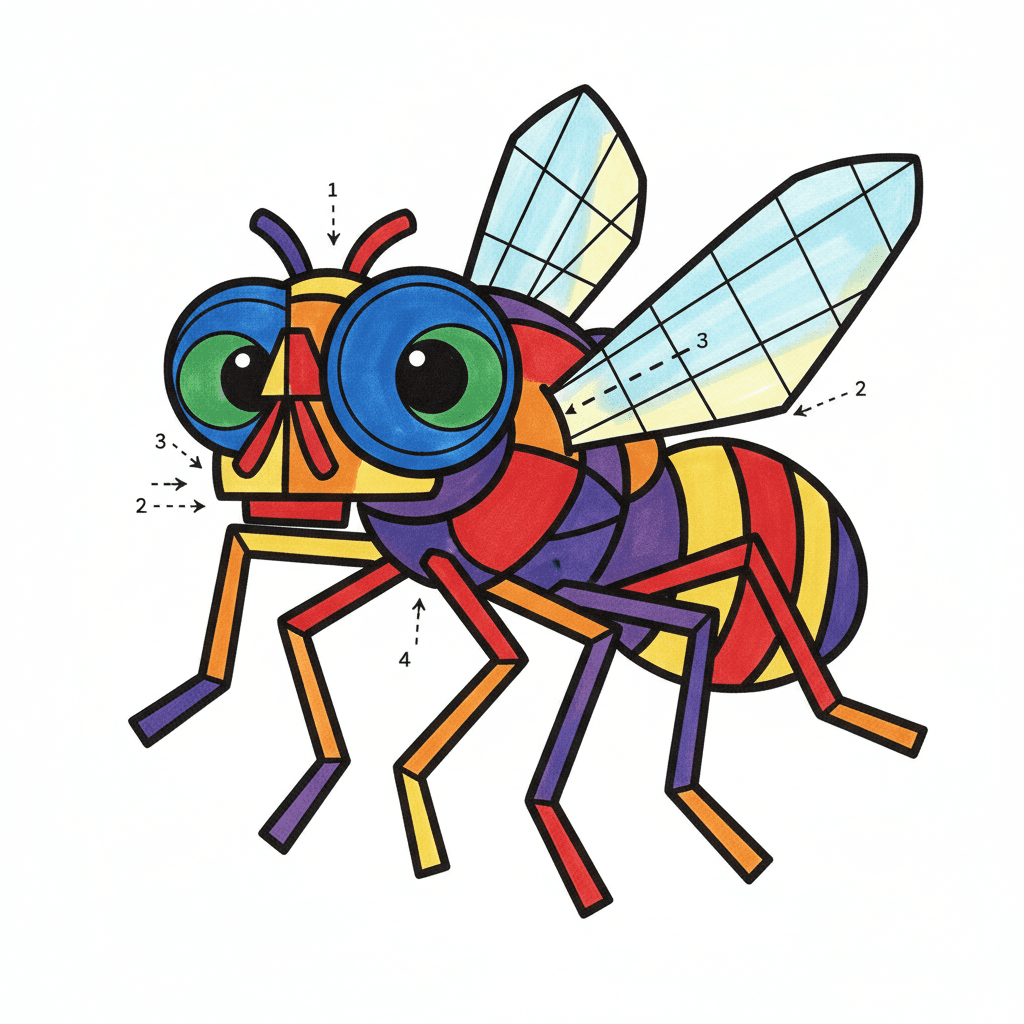
Step-by-step guide to draw a housefly
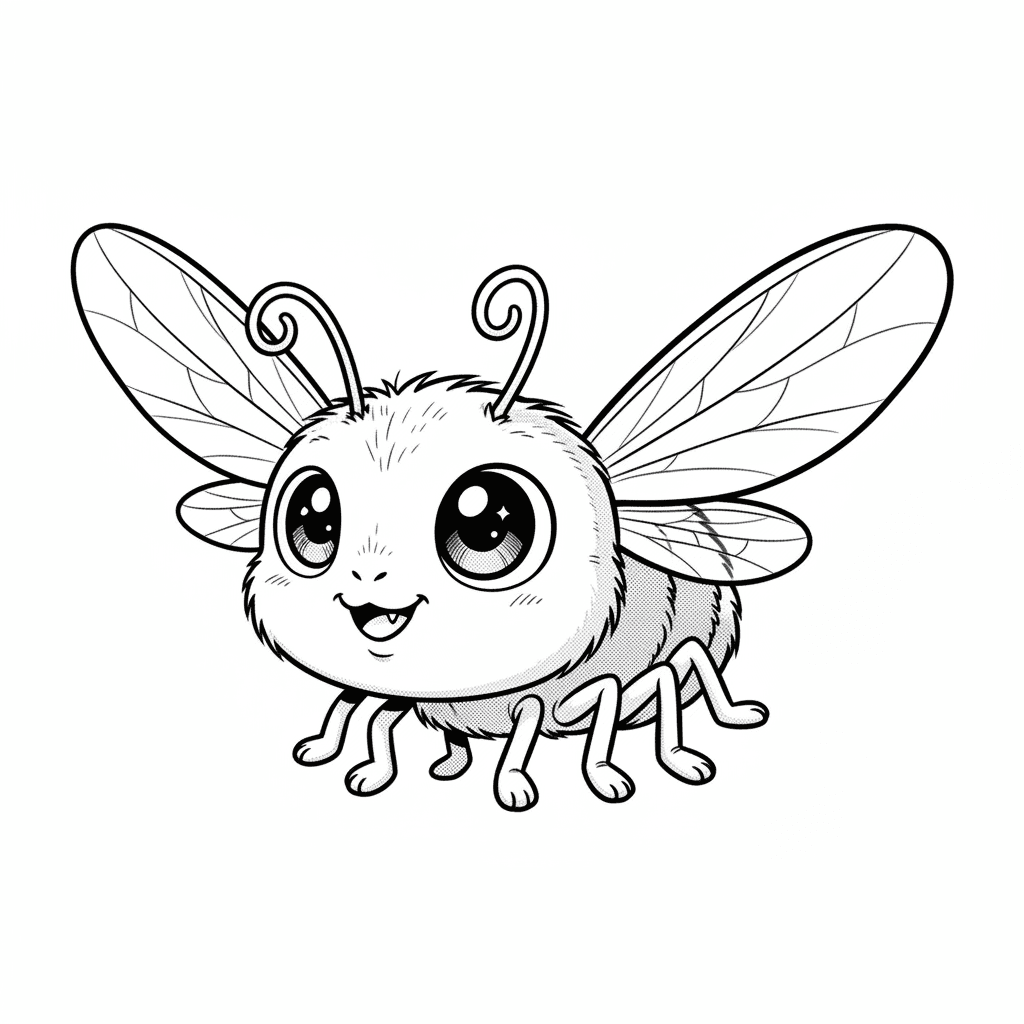
How to Draw a Cute Fly 🪰🎨 | Easy Step by Step Drawing for Kids!
Step 1
Get your paper and drawing tools ready on a flat well lit surface.
Step 2
Look closely at your reference photo and point out the head thorax abdomen wings and legs.
Step 3
Lightly sketch three connected simple shapes for the fly: a small circle for the head a medium oval for the thorax and a longer oval for the abdomen.
Step 4
Draw a straight centerline down the middle of the shapes to help keep both sides symmetrical.
Step 5
Sketch two large teardrop wing outlines starting from the thorax and showing how they overlap.
Step 6
Add six thin segmented leg guidelines from the thorax with three on each side to mark joints.
Step 7
Draw two large rounded compound eyes on the head using the centerline to balance them.
Step 8
Lightly draw a curved grid pattern inside each eye to suggest the many tiny facets.
Step 9
Erase any heavy construction lines so only the clear refined shapes remain.
Step 10
Smooth and refine the body and wing edges so the fly looks more natural.
Step 11
Add short fine strokes along the thorax and abdomen to show tiny hairs.
Step 12
Draw faint thin veins across the wings to make them look translucent and delicate.
Step 13
Shade the fly to show volume using your softer pencil in light layers and build darker tones near joints under the wings and on the underside of the abdomen.
Step 14
Share your finished housefly drawing on DIY.org.
Help!?
I don't have a softer pencil or eraser—what can I use instead for the shading and to remove construction lines?
If you don't have a softer pencil for the shading step use an HB or 2B pencil pressed lightly and substitute a kneaded or white vinyl eraser to 'erase any heavy construction lines so only the clear refined shapes remain'.
My wings look uneven and the legs aren't matching—how can I fix that while I'm drawing?
If wings or legs are uneven use the 'draw a straight centerline down the middle' as a mirror guide, redraw wing teardrops lightly from the thorax and, if needed, trace one wing on scrap paper and flip it to match the other before erasing heavy lines.
How do I make this project easier for little kids or more challenging for older kids?
For younger children simplify 'lightly sketch three connected simple shapes' by pre-drawing the circle and ovals and using thick markers, while older kids can add the 'curved grid pattern inside each eye', 'faint thin veins across the wings', and layered shading with a softer pencil.
What are good ways to extend or personalize the finished fly drawing?
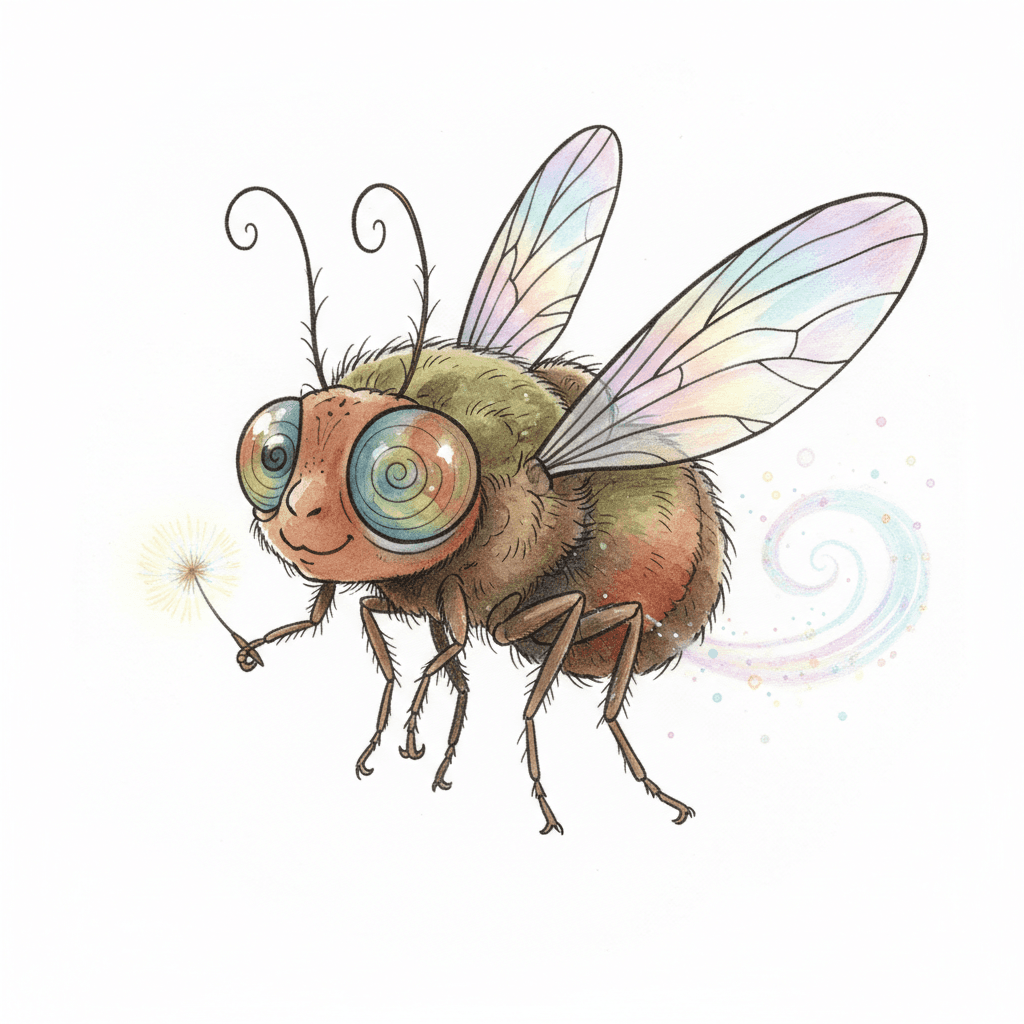
To personalize or extend the activity ink the 'refined shapes' and add color with colored pencils or a light watercolor wash over the wings, draw a background to show scale, or make a series of different flies and share them on DIY.org.
Watch videos on how to draw a housefly
How to Draw a Fly Step by Step Simple Beginners Lesson
4 Videos
How to Draw a Fly Step by Step Simple Beginners Lesson
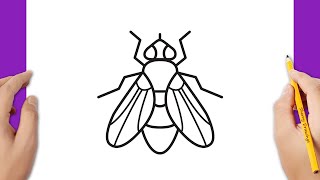
How to draw a fly easy
How to Draw a Bird Flying Step by Step for Kids
How to Draw a Realistic Fly | Easy Step-by-Step Insect Tutorial for All Ages | Rainbow Art
Facts about drawing and observational sketching
🪰 Houseflies beat their wings about 200 times per second — that’s why they buzz so fast!
👀 Each compound eye can have around 3,000 tiny lenses (ommatidia), which makes them excellent at spotting movement.
🦶 Flies can 'taste' with sensors on their feet, so they often land on things to check if it's food.
🎨 A fly's body is covered in tiny hairs and textured patches — short strokes and dots are great for showing that texture when you draw.
⚖️ Flies are bilaterally symmetrical — drawing one side and mirroring it helps keep proportions accurate.
How do you draw a detailed housefly step-by-step using simple shapes, texture, proportion, and shading?
What materials do I need to draw a realistic housefly?
What ages is drawing a detailed housefly suitable for?
What are the benefits of drawing a detailed housefly?
