How Do Butterflies Help Nature?
Create a butterfly observation journal by watching butterflies in your yard or park, recording their plant visits, drawing species, and noting pollination habits.


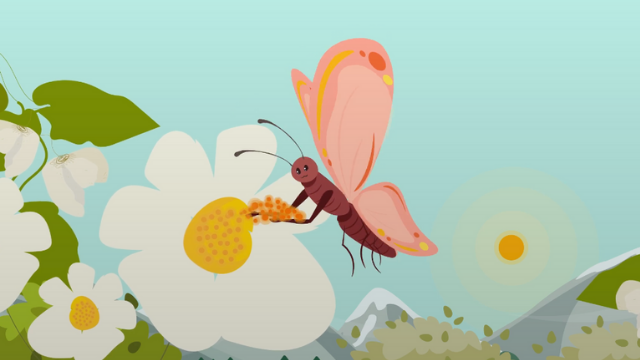

Step-by-step guide to create a butterfly observation journal
Step 1
Gather your materials and choose a safe spot in your yard or park to watch butterflies.
Step 2
Write "Butterfly Observation Journal" big and bright at the top of the first page.
Step 3
Write today’s date and the time you start observing.
Step 4
Write the location where you will watch butterflies like "Backyard garden" or "Park flower bed."
Step 5
Draw simple column headers for Sighting Number; Time; Plant; Behavior; Sketch.
Step 6
Go to your chosen spot with an adult and sit quietly on your clipboard or a bench.
Step 7
Watch the flowers quietly for 15 minutes without chasing the butterflies.
Step 8
When you see a butterfly write the sighting number and the time you spotted it.
Step 9
Write the plant the butterfly landed on or describe the flower if you don’t know its name.
Step 10
Make a quick pencil sketch of the butterfly showing its wing shape and pattern.
Step 11
Color your sketch using your colouring materials to match the butterfly’s colors.
Step 12
Write one short sentence about what the butterfly did like "sipped nectar" or "moved between flowers."
Step 13
Repeat Steps 8 to 12 for three to five different butterflies to collect more notes.
Step 14
Count how many times butterflies visited each plant and write which plant had the most visits.
Step 15
Share your finished butterfly observation journal on DIY.org.
Help!?
What can we use if we don't have a clipboard, colored pencils, or a bench?
If you don't have a clipboard use a hardcover book or baking tray as a writing surface for Step 5, substitute crayons or washable markers for colouring in Step 11, and sit on a picnic blanket or low garden stone instead of a bench.
What should we do if we don't see any butterflies during the 15-minute observation?
If you see no butterflies during the 15-minute watch in Step 6, try moving to a sunnier, flower-rich spot, extend the observation time, or take photos to sketch later in Step 10.
How can this activity be adapted for younger or older children?
For younger kids simplify Step 4 to two columns and use sticker stamps for Step 12 while an adult helps with sketches in Step 10, and for older kids add species identification, wingspan measurements, and graph the visit counts from Step 13.
How can we enhance or personalize our Butterfly Observation Journal before sharing it on DIY.org?
Enhance the journal by adding photos of each sighting, pressing a flower from the plant you recorded in Step 9, creating a bar graph of plant visits from Step 13, and writing a short habitat action plan to include when you upload in Step 14.
Watch videos on how to create a butterfly observation journal
How Do Pollinators Help Plants Grow? | SciShow Kids Compilation
3 Videos

How Do Pollinators Help Plants Grow? | SciShow Kids Compilation
How to Plant Wildflowers | Save the Bees | Sustainability Tips | WWF
Children of the Sun - Butterflies
Facts about butterflies and pollination
🦋 Butterflies 'taste' with sensors on their feet, so when they land they can sample a flower's nectar!
🌼 While not as famous as bees, many butterflies are important pollinators that transfer pollen as they feed.
📓 Kids' butterfly journals and backyard sightings have helped scientists track migration and population changes.
🌿 Some butterflies visit dozens to hundreds of flowers a day, helping plants make seeds and fruits.
🧭 Monarch butterflies can migrate up to about 3,000 miles between breeding and wintering sites.
How do you create a butterfly observation journal?
What materials do I need for a butterfly observation journal?
What ages is this butterfly journal activity suitable for?
What are the benefits of keeping a butterfly observation journal?
