Have someone interview you
Practice being interviewed by a friend or family member: prepare answers, ask and answer questions, and learn communication and listening skills.


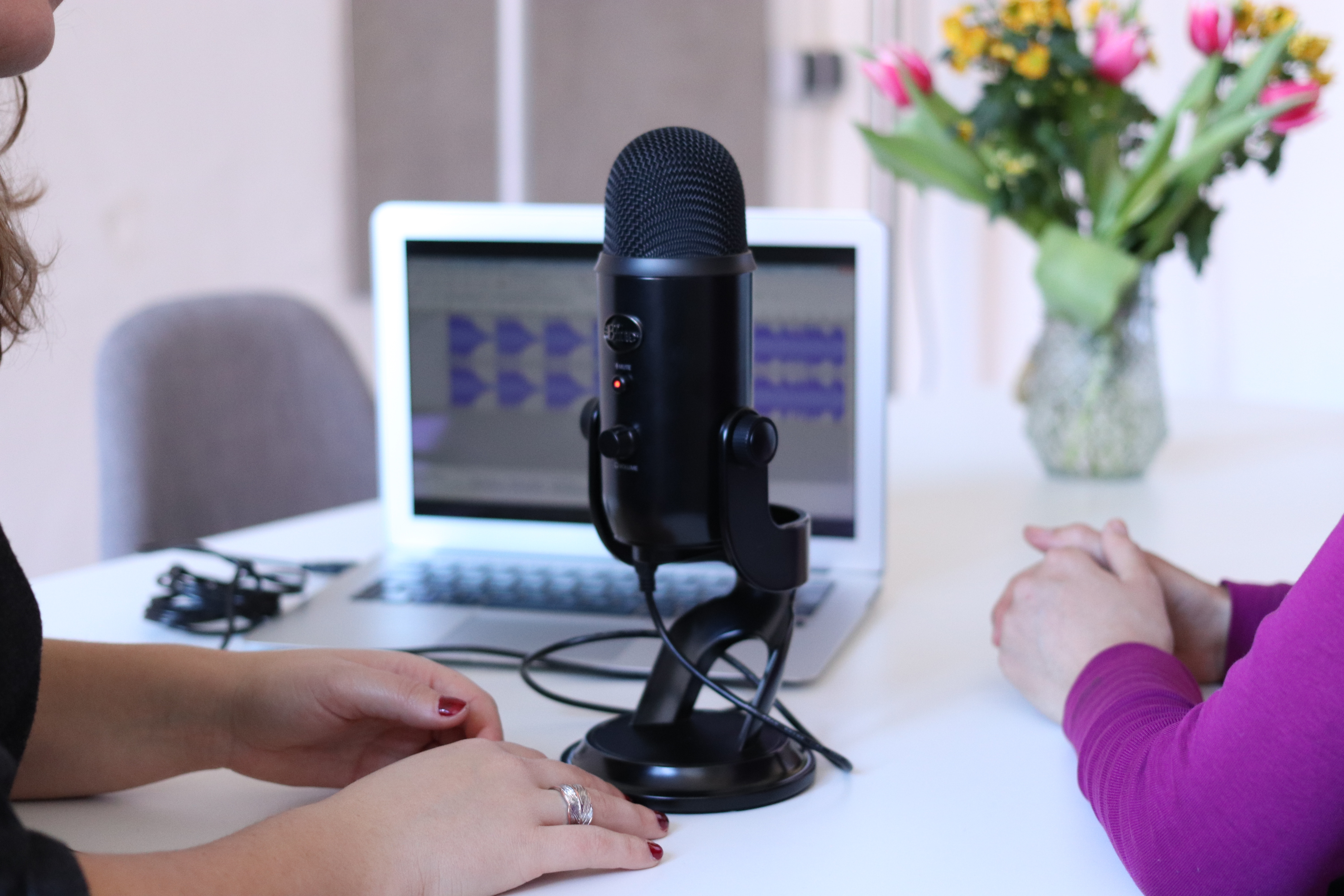

Step-by-step guide to practice being interviewed
Step 1
Gather your paper and pen or pencil.
Step 2
Move to a quiet space where you can talk without interruptions.
Step 3
Pick one topic to be interviewed about like your favorite hobby school project or pet.
Step 4
Write three short facts about your topic on the paper.
Step 5
Write five simple interview questions about your topic on the paper.
Step 6
Decide who will be the interviewer and who will be the interviewee.
Step 7
Set a timer for three minutes for each interview turn.
Step 8
Interviewer reads the first written question clearly and slowly.
Step 9
Interviewee answers the question with a clear voice using one full sentence.
Step 10
Interviewer gives one short friendly piece of feedback after the round.
Step 11
Swap roles with your partner so the other person becomes the interviewer.
Step 12
Repeat the interview using the timer and the written questions in the new roles.
Step 13
Write one thing you did well and one thing you want to practice next time on your paper.
Step 14
Share your finished creation on DIY.org.
Help!?
What can we use if we don't have paper, a pen, or a timer for this interview activity?
Use a smartphone or tablet notes app instead of paper and pen, use the phone's stopwatch or a kitchen timer for the three-minute timer, and if you can't post to DIY.org share your written 'one thing you did well and one thing you want to practice' with a parent or teacher.
What should we do if the interviewer rushes or the interviewee gives very short answers during the five-question rounds?
Number the five simple interview questions on your paper, have the interviewer read each question slowly and clearly while the three-minute timer runs, and remind the interviewee to answer using one full sentence so there's time for the interviewer's short friendly feedback.
How can we change the steps to suit younger or older children doing the activity?
For younger kids, reduce the task to one short fact and two simple questions with a one-minute timer and verbal prompts, while older children can write extra facts, add follow-up questions, and extend each interview turn to five minutes.
How can we extend or personalize the interview activity beyond the basic instructions?
Record the interview on a phone so you can review answers, create colorful question cards or topic props to use during the quiet-space interview, and add specific practice goals to the 'one thing you want to practice next time' before sharing on DIY.org.
Watch videos on how to practice being interviewed
Sample 10-Minute Teacher Demo Lesson for a K-12 School Interview | Selected
4 Videos

Sample 10-Minute Teacher Demo Lesson for a K-12 School Interview | Selected
School admission interview questions and answers | Students | Grade 1| online classes
Journalism Classes For Young Journalists | 7 steps for a successful interview

INTERVIEWS for Children 🗣️ Characteristics and Elements ✍️ Language Arts for Children
Facts about communication and interview skills for kids
🎤 People often form a first impression of a speaker within about 7 seconds — practicing helps make it a friendly one.
👂 Active listening — like paraphrasing and asking follow-up questions — makes people feel heard and improves understanding.
🤝 Good eye contact and a warm smile boost trust during an interview and can help calm nerves.
🧠 Saying answers out loud during practice helps your brain remember them better and reduces filler words like “um” and “uh.”
⏱️ Short mock interviews (10–30 minutes) done regularly are more effective for learning than one long cram session.
How do I run a practice interview activity with my child?
What materials do I need to practice being interviewed with my child?
What ages is interview practice suitable for?
What are the benefits and safety tips for interview practice?
