Have a Conversation about Water in ASL
Practice and perform a short signed conversation in American Sign Language about water topics (drinking, ocean, conservation) with a partner and receive feedback.


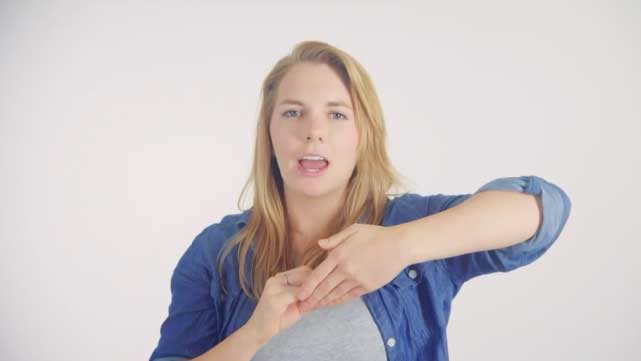

Step-by-step guide to have a conversation about water in ASL
Step 1
Find a partner to practice signing with.
Step 2
Put your ASL reference sheet and notepad within reach.
Step 3
Pick three water topics to talk about such as drinking water ocean and conservation.
Step 4
Write one short simple sentence for each topic on your notepad.
Step 5
Use the ASL guide to look up the signs for the key words in your sentences.
Step 6
Practice each sentence slowly in front of a mirror to check your handshapes and facial expressions.
Step 7
Take turns with your partner signing each sentence while the other watches quietly.
Step 8
Put the sentences together and perform a short signed conversation about the three topics for one to two minutes with your partner.
Step 9
Ask your partner to tell you two things you did well and one thing to work on.
Step 10
Write the feedback on your notepad.
Step 11
Practice the one improvement you chose for two minutes.
Step 12
Share your finished signed conversation on DIY.org.
Help!?
What can we use if we don't have a mirror, ASL reference sheet, or a notepad?
Use a phone or tablet front camera to check your handshapes and facial expressions, open a reputable online ASL guide or print screenshots in place of the ASL reference sheet, and write your short simple sentences on loose paper or a digital notes app instead of a notepad.
What should we do if our partner can't understand our signs or our handshapes look wrong during practice?
Practice each sentence slowly again in front of the mirror or phone camera while checking key words in the ASL guide, then take turns signing while the other watches quietly and gives two things you did well and one thing to work on as instructed.
How can we adapt the activity for younger or older kids?
For younger children, choose very simple topics like drinking water and write single-word or one short simple sentence per topic and shorten the performance to about 30 seconds, while older kids can use more vocabulary from the ASL guide, combine sentences into a full 1–2 minute signed conversation, and focus on nuanced facial expressions and grammar.
How can we extend or personalize the signed conversation after practicing and getting feedback?
Record the revised performance on your phone, annotate your notepad with the partner feedback and practiced improvement, add props or specific facts about your chosen water topics (drinking water, ocean, conservation), and then share the polished video on DIY.org.
Watch videos on how to have a conversation about water in ASL
Back to School Sign Language Vocabulary: WHO ARE YOU?
4 Videos

Back to School Sign Language Vocabulary: WHO ARE YOU?

Back To School Sign Language Vocabulary: GREETINGS!
BSL Spring Words | Spring Time | Learn Sign Language
Sign Language and Art | Tate Kids
Facts about American Sign Language for kids
🤟 American Sign Language uses handshapes, facial expressions, and space to show grammar — it’s more than just words with your hands!
🌊 Oceans cover about 71% of Earth's surface and are full of cool signs you can describe in ASL (like waves, tides, and marine animals).
💧 Only about 2.5% of Earth's water is fresh, and only a tiny fraction of that is easily available for drinking — a great reason to talk about conservation!
🧑🤝🧑 Practicing short signed conversations with a partner and getting feedback is one of the fastest ways to improve your ASL fluency.
🌍 Saving water also saves energy, because treating and moving water uses electricity — so water chats can get people thinking about big environmental wins.
How do you run the 'Have a Conversation about Water in ASL' activity with my child?
What materials do I need for the ASL water conversation activity?
What ages is this ASL activity suitable for?
What are the benefits of practicing water conversations in ASL?
