Go on a Bioblitz
Go on a bioblitz: explore a nearby park with an adult, observe, photograph, identify, and record as many plants and animals as possible.




Step-by-step guide to go on a bioblitz
BioBlitz: What, How, and Why
Step 1
Ask an adult to come with you to a nearby park.
Step 2
Gather your materials and put your notebook and pencil where you can reach them.
Step 3
Write today's date and the park name at the top of your notebook.
Step 4
Walk slowly and quietly as you explore the park.
Step 5
When you see a plant or animal stop and quietly observe it without touching.
Step 6
Take a clear photo of the plant or animal from a safe distance.
Step 7
Use your magnifying glass to look closely at small details like leaf edges or insect legs.
Step 8
Sketch the plant or animal in your notebook with a quick drawing.
Step 9
Use your field guide printouts to try to identify the species you saw.
Step 10
Write the species name and a short note about where you found it in your notebook.
Step 11
Continue exploring the park to find and record more plants and animals.
Step 12
Share your finished list of observations photos and sketches on DIY.org.
Help!?
What can we use instead of a magnifying glass or field guide printouts if we can't find them?
Use your smartphone camera's zoom or a clip-on macro lens to look closely instead of a magnifying glass, and use free ID apps (like iNaturalist) or print pages from online guides in place of the field guide printouts.
My photos are blurry or the animals move away; how can I get better observations and photos?
Follow the step to walk slowly and quietly, take several clear photos from a safe distance and then use your magnifying glass and quick pencil sketches in your notebook to capture details the camera misses.
How can I adapt the Bioblitz for different age groups?
For younger kids, limit the outing to a few easy-to-find plants or insects with an adult writing the date, park name, and notes, while older children can make detailed sketches, use the magnifying glass and field guide printouts for full species names, and upload their own observations to DIY.org.
How can we extend or personalize the Bioblitz activity after we've recorded observations and sketches?
Turn your notebook entries, photos, and sketches into a seasonal nature journal or labeled photo collage, add a simple map of where you found each species, and compare your field guide IDs with online databases before sharing on DIY.org.
Watch videos on how to go on a bioblitz
What is a BioBlitz and how can you be involved in helping science | Australia Explained
3 Videos

What is a BioBlitz and how can you be involved in helping science | Australia Explained
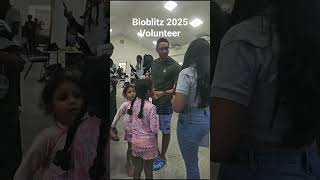
Gathering the kids for a Scavenger hunt at Bioblitz 2025
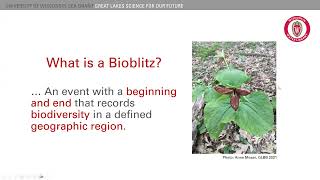
Wisconsin Science Festival 2025 - How to host your own bioblitz
Facts about citizen science and nature observation
🧭 A bioblitz is a short, fun community science event where people try to find and identify as many species as possible in a set area and time.
📱 Apps like iNaturalist let you photograph organisms, get ID suggestions, and share observations with scientists around the world.
🌿 Plants are often easier to identify in spring and summer because flowers and leaves give clear clues.
🐜 Tiny creatures like insects and fungi usually make up the largest number of discoveries during a bioblitz.
📊 Data from bioblitzes helps scientists track biodiversity, spot changes over time, and sometimes even find species new to science.
How do you go on a Bioblitz with your child?
What materials do I need for a family Bioblitz?
What ages is a Bioblitz suitable for?
What are the benefits of doing a Bioblitz with kids?
