Draw Your Halloween Costume!
Design and draw your Halloween costume using pencils, markers, and paper; plan colors, accessories, and safety features while learning about proportions and creativity.
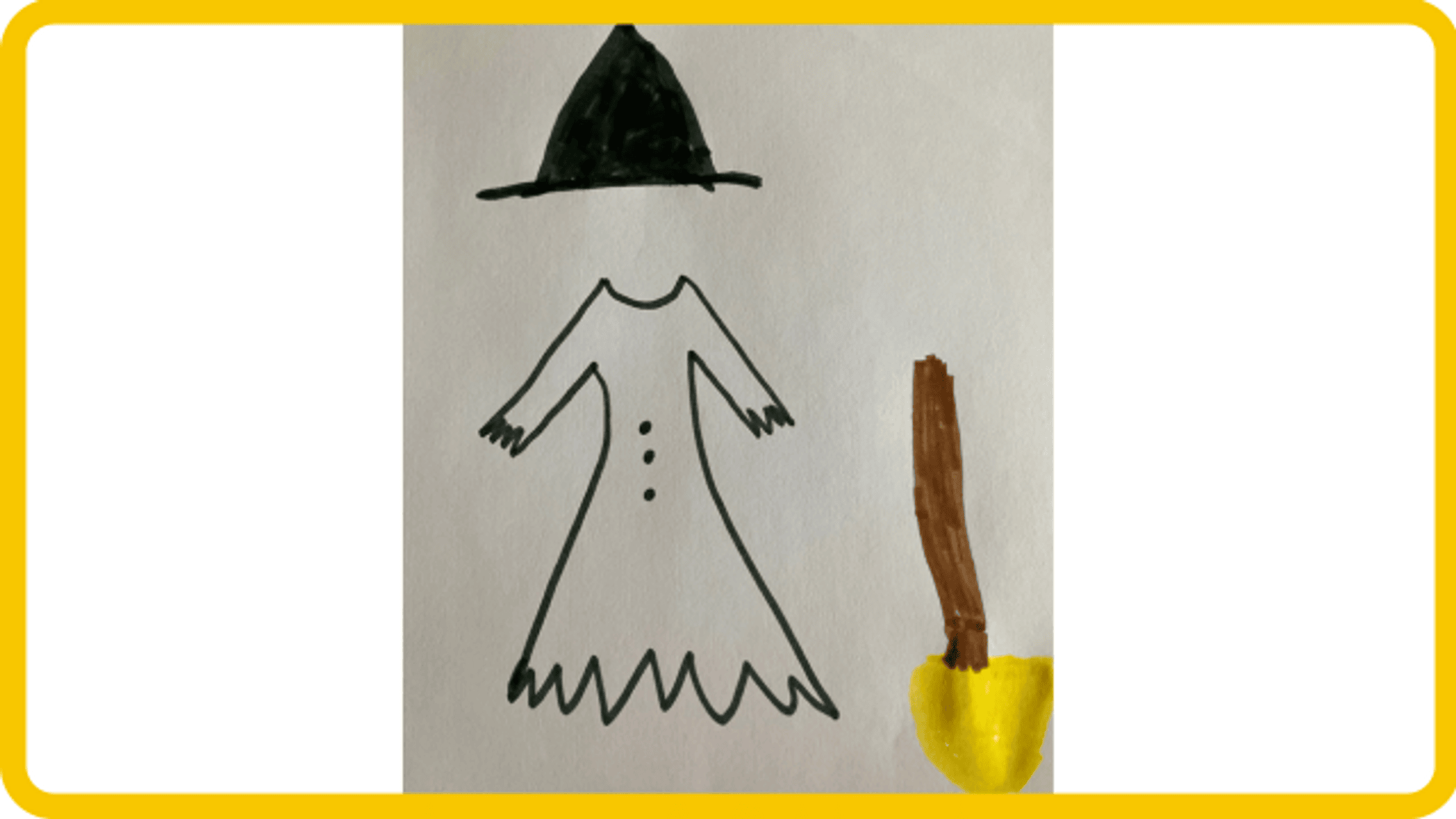
About this tutorial
Design and draw your Halloween costume using pencils, markers, and paper; plan colors, accessories, and safety features while learning about proportions and creativity.
What you need
Instructions
- 1
Step 1
Pick a Halloween costume idea and name your character or theme out loud.
- 2
Step 2
Choose two or three main colors you want your costume to be.
- 3
Step 3
Choose one bright color to use as a safety accent on your costume.
- 4
Step 4
Choose one or two accessories you want to add like a cape mask or hat.
- 5
Step 5
Draw a light stick-figure or simple body outline on the paper to set the pose.
- 6
Step 6
Use the ruler to mark head-length units down the page to guide your figure's proportions.
- 7
Step 7
Sketch the basic costume shapes over the body outline using simple shapes like rectangles circles and ovals.
- 8
Step 8
Draw your chosen accessories onto the costume in their correct places.
- 9
Step 9
Draw safety features such as reflective strips a bright patch or short safe sleeves on the costume.
- 10
Step 10
Trace your final lines with the black marker to make the drawing bold and clear.
- 11
Step 11
Color your costume using the colors you picked and fill in the safety accent with your bright color.
- 12
Step 12
Write short labels next to each accessory and safety feature explaining what they are.
- 13
Step 13
Share your finished costume drawing and notes on DIY.org
Fun facts
How do I design and draw a Halloween costume with my child?
Start by sketching a simple body outline to keep proportions accurate. Decide on a theme, then rough in shapes for costume pieces—cape, mask, armor. Add color swatches and label accessories. Mark safety features like reflective tape, secure closures, and comfortable footwear. Refine lines with darker pencil or marker, erase stray marks, and color. Encourage kids to explain choices to practice storytelling and test fit ideas with clothing they already own.
What materials do I need to draw a Halloween costume?
You’ll need paper (printer or sketch paper), pencils, eraser, colored pencils or markers, fine-tip pens, ruler, scissors, glue, optional stencils, sample fabric swatches, reflective tape, and a clipboard or hard surface. For younger kids include washable markers and non-toxic glue. Keep small items like sequins and buttons supervised to avoid choking hazards.
What ages is the Draw Your Halloween Costume activity suitable for?
Suitable for ages 4–12 with adaptations: preschoolers (4–6) can color simple templates and choose colors; ages 7–9 can sketch basic proportions and add details; 10–12 can plan accessories, safety features, and color palettes independently. Adult supervision recommended under 7, and when using scissors, small decorative pieces, or hot-glue to make costume samples.
What safety features should we include when designing a costume?
Include high-visibility elements like reflective tape and light-colored fabrics, especially for night trick-or-treating. Design for mobility: keep hems short, avoid long trailing pieces, and ensure masks or face paint don't block vision or breathing. Choose flame-resistant or treated materials, securely fasten accessories, and avoid small detachable parts for young children. Test the full outfit in low light and practice walking and crossing streets while wearing it.
Watch & Learn
Need help?
What can we use instead of a ruler, black marker, or a bright safety color if we don't have them?
If you don't have a ruler use a straight book edge or folded cereal-box flap to mark head-length units, swap the black marker for a dark pen or crayon to trace final lines, and use a neon sticker or scrap of bright paper as the safety accent.
My proportions look wrong after using the head-length marks and my marker lines smudge — how do I fix that?
Keep your first stick-figure and costume sketches light in pencil, compare and correct the head-length units with the ruler before sketching shapes, erase any off marks, and trace final lines slowly with the black marker to avoid smudging.
How can I adapt this activity for different ages or abilities?
For younger kids, pre-draw the light stick-figure and limit choices to two colors and sticker accessories while an adult writes labels, and for older kids, use the ruler for precise head-length proportions, add detailed accessory sketches, and write fuller labels explaining each safety feature.
What are some ways to extend or personalize the costume drawing when we're done?
Glue small fabric swatches or reflective tape where you marked the safety accent and accessories, draw a back view, add a mini how-to note beside each accessory, and photograph your finished costume drawing to share on DIY.org.