Draw Some Guests Dancing at a Party
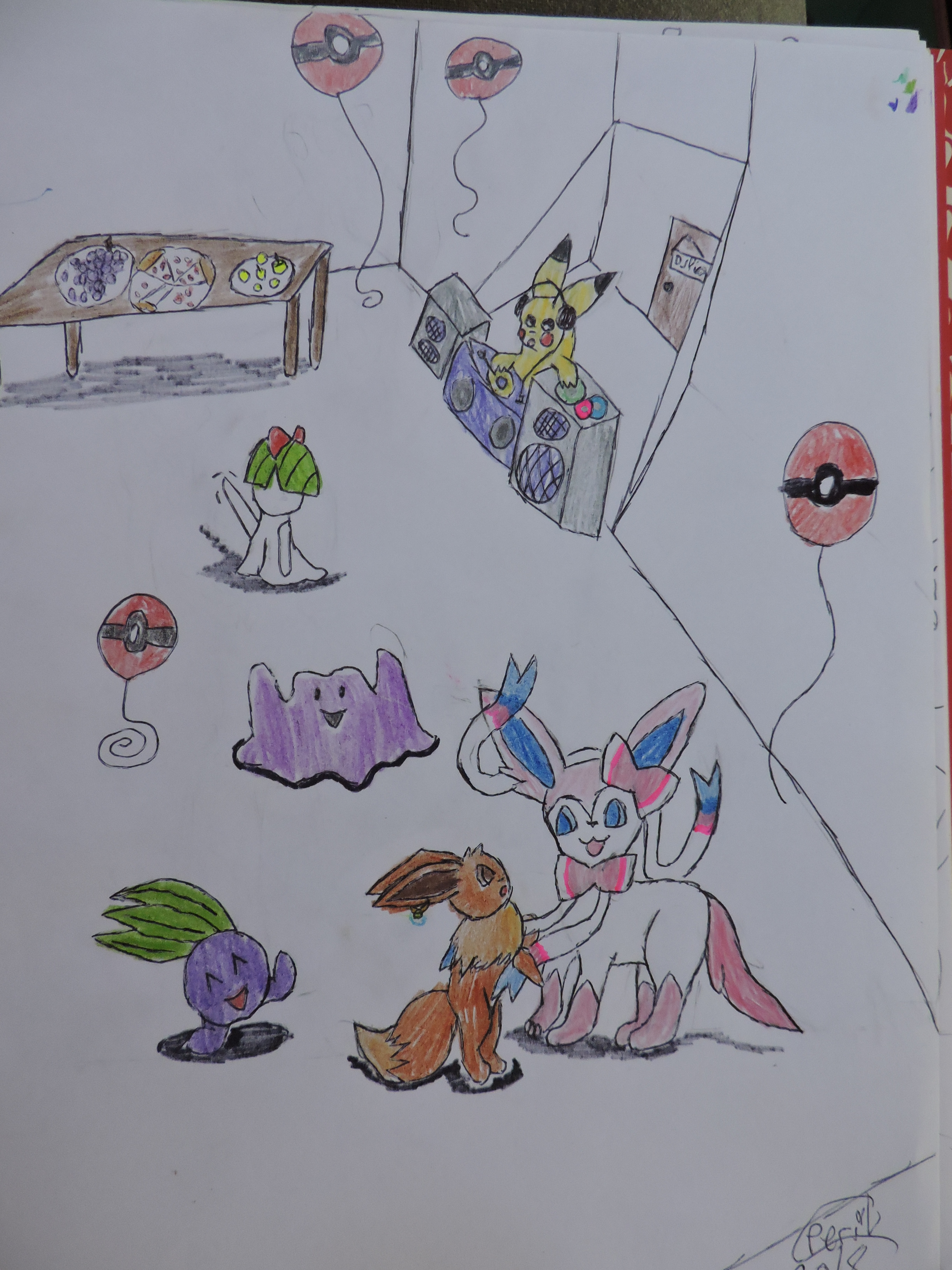
Draw guests dancing at a party using simple shapes, add movement lines, happy expressions, and colorful outfits to practice composition and storytelling skills.
About this tutorial
Draw guests dancing at a party using simple shapes, add movement lines, happy expressions, and colorful outfits to practice composition and storytelling skills.
What you need
Instructions
- 1
Step 1
Gather all your materials.
- 2
Step 2
Put your paper and tools on a flat clean surface.
- 3
Step 3
Decide how many guests you want to draw.
- 4
Step 4
Lightly draw a horizontal ground line near the bottom of the paper to show the dance floor.
- 5
Step 5
Mark small dots where each guest will stand.
- 6
Step 6
Draw simple shapes (circles ovals rectangles triangles) for the head and body of each guest.
- 7
Step 7
Make some shapes bigger or smaller and place them at different heights to show depth.
- 8
Step 8
Draw arms and legs as curved or stick lines to create fun dance poses.
- 9
Step 9
Add short curved motion lines near arms legs and clothing to show movement.
- 10
Step 10
Erase extra sketch lines so the drawing looks neat.
- 11
Step 11
Draw happy facial expressions on each guest like big smiles closed eyes or raised eyebrows.
- 12
Step 12
Sketch simple clothing shapes and small accessories such as hats or scarves for each guest.
- 13
Step 13
Color the outfits and background with your coloring materials and add patterns if you like.
- 14
Step 14
Add party props like balloons a banner or confetti to make the scene festive.
- 15
Step 15
Share your finished drawing on DIY.org.
Fun facts
How do I draw guests dancing at a party using simple shapes?
Start with light pencil shapes: circles for heads, ovals and rectangles for bodies, and simple lines for arms and legs. Arrange guests in different poses to show movement—tilt heads, bend knees, and overlap figures for depth. Add curved movement lines near arms and legs, smiling faces, and party props like hats or balloons. Finish by tracing with ink and coloring bright outfits to highlight personalities and tell a small party story.
What materials do I need to draw guests dancing at a party?
You need plain paper or a sketchbook, a pencil and eraser, black pen or marker for outlining, and colored pencils, crayons, or markers for outfits. Optional extras: a ruler for stage lines, stickers or glitter for decorations, reference photos of dancing poses, and a smock to protect clothes. Keep materials simple so children focus on shapes, movement lines, and expressions while having fun.
What ages is drawing dancing guests suitable for?
This activity works for ages about 3 to 12 with adjustments. Ages 3–5 can use big simple shapes and bold colors with adult help for cutting or gluing. Ages 6–9 can add movement lines, facial expressions, and varied outfits. Ages 10+ can practice composition, overlapping figures, and storytelling details. Always supervise younger kids with small supplies and encourage creativity over perfection.
What are the benefits of drawing guests dancing at a party?
Drawing dancing guests builds composition and storytelling skills as children decide who is where and why. It develops fine motor control, observation of human movement, and emotional expression through faces and body language. The activity boosts creativity, color choices, and confidence when children personalize outfits and scenes. It also encourages social play if done in groups and can spark writing or role-play ideas based on the party scene.
Watch & Learn
Need help?
What can we use instead of the coloring materials or special tools listed in the instructions?
If you don't have the named coloring materials or special tools, color the outfits and background with crayons, markers, or watercolors, glue torn magazine pieces for collage, and use a pencil or ballpoint pen for the 'lightly draw' and 'mark small dots' sketch steps.
My guests look flat or too crowded—how can I fix that while following the steps?
Follow the instruction to 'make some shapes bigger or smaller and place them at different heights to show depth,' overlap bodies slightly, move or re-mark the small dots for spacing, and erase extra sketch lines so each guest reads separately.
How can I adapt this dancing-guests drawing for very young children or older kids?
For preschoolers limit the activity to three big simple shapes for head and body with short curved motion lines, while older kids can add detailed facial expressions, clothing patterns, shading, and multiple party props as described in the steps.
What are some ways to extend or personalize the finished party drawing?
Personalize by turning guests into family or friends with specific clothing and name tags, add real confetti or tissue-paper balloons when you 'add party props like balloons a banner or confetti,' and then photograph and share your finished drawing on DIY.org.