Doodle & Collage
Make a doodle-and-collage artwork using paper scraps, magazine pictures, markers, and glue; explore texture, color, composition, and storytelling through mixed-media creation.


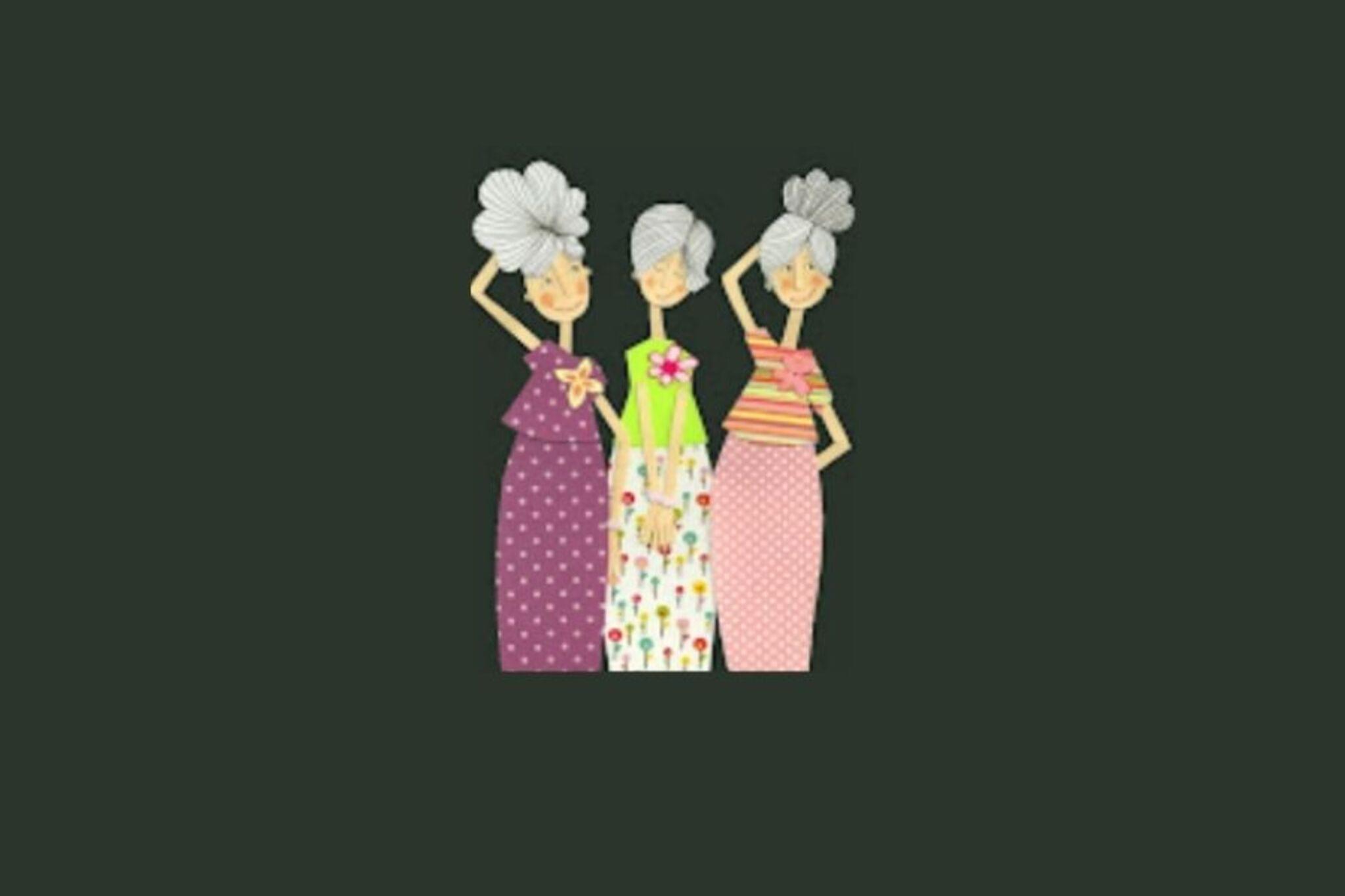

Step-by-step guide to make a doodle-and-collage artwork
Doodle Art ( Definition, History and Tips to start doodling )
Step 1
Gather all the Materials Needed and put them on a clear workspace.
Step 2
Choose one blank sheet of paper or cardstock to be your base.
Step 3
Decide on a simple theme or story you want your artwork to show.
Step 4
Sort your paper scraps and magazine pictures into piles by color or texture.
Step 5
Lightly sketch a few placement marks on the base with your pencil to plan where things will go.
Step 6
Arrange your scraps and pictures on the base without gluing to try different compositions.
Step 7
Move pieces around until you like the balance of color texture and shapes.
Step 8
Glue the background pieces down first starting from the farthest back parts.
Step 9
Glue the middle and foreground pieces next to build layers.
Step 10
Use markers to doodle lines patterns and small details that connect the collage pieces.
Step 11
Cut and glue a few small shapes to add texture and fun accents.
Step 12
Sign your name and give your artwork a title on the front or back.
Step 13
Share your finished creation on DIY.org
Help!?
What can we use if we don't have magazine pictures, cardstock, or glue?
Substitute colored printer paper, old greeting cards, tissue paper, or fabric scraps for magazine pictures and use a glue stick, school white glue, or double-sided tape to attach pieces to your base.
My pieces keep moving when I try layouts—how can I stop that?
When you 'Arrange your scraps and pictures on the base without gluing', hold layouts in place with small pieces of removable tape or paper clips, then follow the step to 'Glue the background pieces down first' using a thin glue layer and press until set.
How can I adapt this collage for different ages?
For toddlers, pre-cut large shapes and use a washable glue stick to 'Glue the background pieces down first', while school-age kids can 'Lightly sketch a few placement marks', build 'middle and foreground pieces', and add detailed marker doodles, and teens can create complex themes and layered textures.
What are simple ways to personalize or extend the project after finishing the collage?
Add 3D accents like buttons or fabric when you 'Cut and glue a few small shapes to add texture', write a short story about your chosen theme on the back, then 'Sign your name and give your artwork a title' and 'Share your finished creation on DIY.org'.
Watch videos on how to make a doodle-and-collage artwork
WHAT IS DOODLE ART? || What is a Doodle? || BASICS OF DOODLING || Tips to start Doodling & benefits
4 Videos
WHAT IS DOODLE ART? || What is a Doodle? || BASICS OF DOODLING || Tips to start Doodling & benefits
How to DOODLE | Step by step
DOODLING - (HOW TO DOODLE - Step-by-Step + Tips&Tricks )
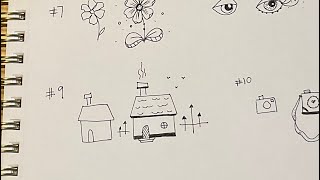
Step by step doodle art for beginners. Learn how to transform basic doodle drawings to brilliant.
Facts about mixed-media art for kids
✂️ Collage became a fine-art technique when Pablo Picasso and Georges Braque started gluing newspaper and fabric to paintings around 1912.
✨ Henri Matisse's famous late-life 'paper cut-outs' were made by cutting painted paper and arranging bold shapes into vibrant compositions.
🖍️ Doodling isn't just fun—research shows people who doodle while listening often remember more details later.
📰 Magazine pages are a collage goldmine: glossy photos, type, and patterns give instant texture and storytelling pieces.
♻️ Collage is eco-friendly—using scraps and old magazines turns waste into playful mixed-media art.
How do I make a doodle-and-collage artwork?
What materials do I need for a doodle-and-collage activity?
What ages is this activity suitable for?
What are the benefits of doodle-and-collage for kids?
