Do stage combat
Learn safe, choreographed stage combat moves with a partner using slow practice, clear signals, and padded props to create convincing, non-injurious fight scenes.


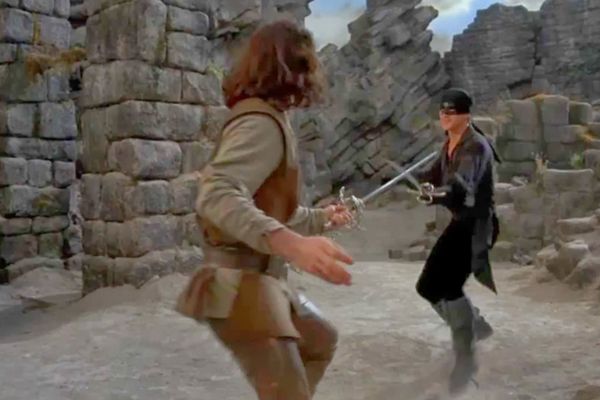

Step-by-step guide to do stage combat
Mishmak Youth Theatre Does Stage Combat
Step 1
Find a partner and ask an adult to supervise your practice.
Step 2
Put on comfortable clothes and shoes so you can move safely.
Step 3
Clear an open space and mark a performance area with masking tape or floor markers.
Step 4
Gather your soft foam props and place cushions nearby for safe falls.
Step 5
Warm up with two minutes of light stretches for your neck shoulders arms and legs.
Step 6
Decide together on three clear safety signals: a start signal a stop signal and a safe word.
Step 7
Plan a short 4-move fight routine with your partner.
Step 8
Agree who does each move and who reacts in every part of the routine.
Step 9
Walk the whole sequence slowly without any contact to learn spacing.
Step 10
Count out loud as you walk the sequence to keep steady timing.
Step 11
Practice each move slowly and repeat it until both partners feel safe and confident.
Step 12
Rehearse the routine with foam props at half speed keeping the props well away from faces.
Step 13
Practice a safe fall onto the cushions while your partner spots you and supports you.
Step 14
Gradually increase the speed only if both partners agree using your safety signals.
Step 15
Perform your final routine at performance speed using your signals and then share your finished stage combat scene on DIY.org
Help!?
What can we use instead of masking tape, foam props, or cushions if we can't find them?
If you don't have masking tape, soft foam props, or cushions, mark the performance area with painter's tape or taped-down colored paper, use pool noodles or broom handles wrapped in foam and socks as props, and replace cushions with stacked pillows or folded blankets for safe falls.
What should we do if partners keep getting too close or accidentally make contact during practice?
If you keep getting too close or risk contact, go back to the step 'Walk the whole sequence slowly without any contact', have the partner spot you during the 'Practice a safe fall onto the cushions' step, and use counting out loud to re-establish spacing and timing before adding props.
How can we adapt the routine for younger children or older kids wanting more challenge?
For younger children shorten the four-move routine to two slow moves, use extra-soft props and closer adult supervision during falls, and for older kids expand the sequence, add more moves and faster tempo while following the 'Gradually increase the speed' and safety signals steps.
How can we improve or personalize the stage combat scene after we've learned the routine?
To extend and personalize the activity, create simple costumes, add sound effects or background music to practice with during 'Perform your final routine at performance speed', invent safe signature moves that respect your safety signals, and film the scene to edit before sharing on DIY.org.
Watch videos on how to do stage combat
Teaching Basic Stage Combat - Full Lesson
4 Videos
Teaching Basic Stage Combat - Full Lesson

Stage Combat Basics, Part 1 | Warm-ups and Safety Rules

How to throw a stage punch with VCA Stage Combat Tutor Lyndall Grant
Stage Combat Workshop
Facts about stage combat and theatre safety
🗡️ Stage combat is a trained performance skill that makes fights look real while keeping everyone safe.
🐢 Actors learn fight moves very slowly at first — speed comes only after the choreography is nailed down.
🤝 Trust and clear signals (like taps, words, or eye contact) between partners are as important as the moves themselves.
🛡️ Lightweight, padded or rattan practice weapons are used so strikes look powerful without causing injury.
🎬 Famous fight choreographers work on theatre and movies — some choreographers helped create iconic Star Wars sword scenes.
How do I teach my child stage combat safely?
What materials do I need for kid-friendly stage combat?
What ages is stage combat suitable for?
What safety precautions should I follow when teaching stage combat to my child?
