Bring Your Imagination to Canvas
Paint your own canvas artwork using brushes, tempera or acrylic paints, stencils, and collage pieces, exploring color mixing, texture, and storytelling.


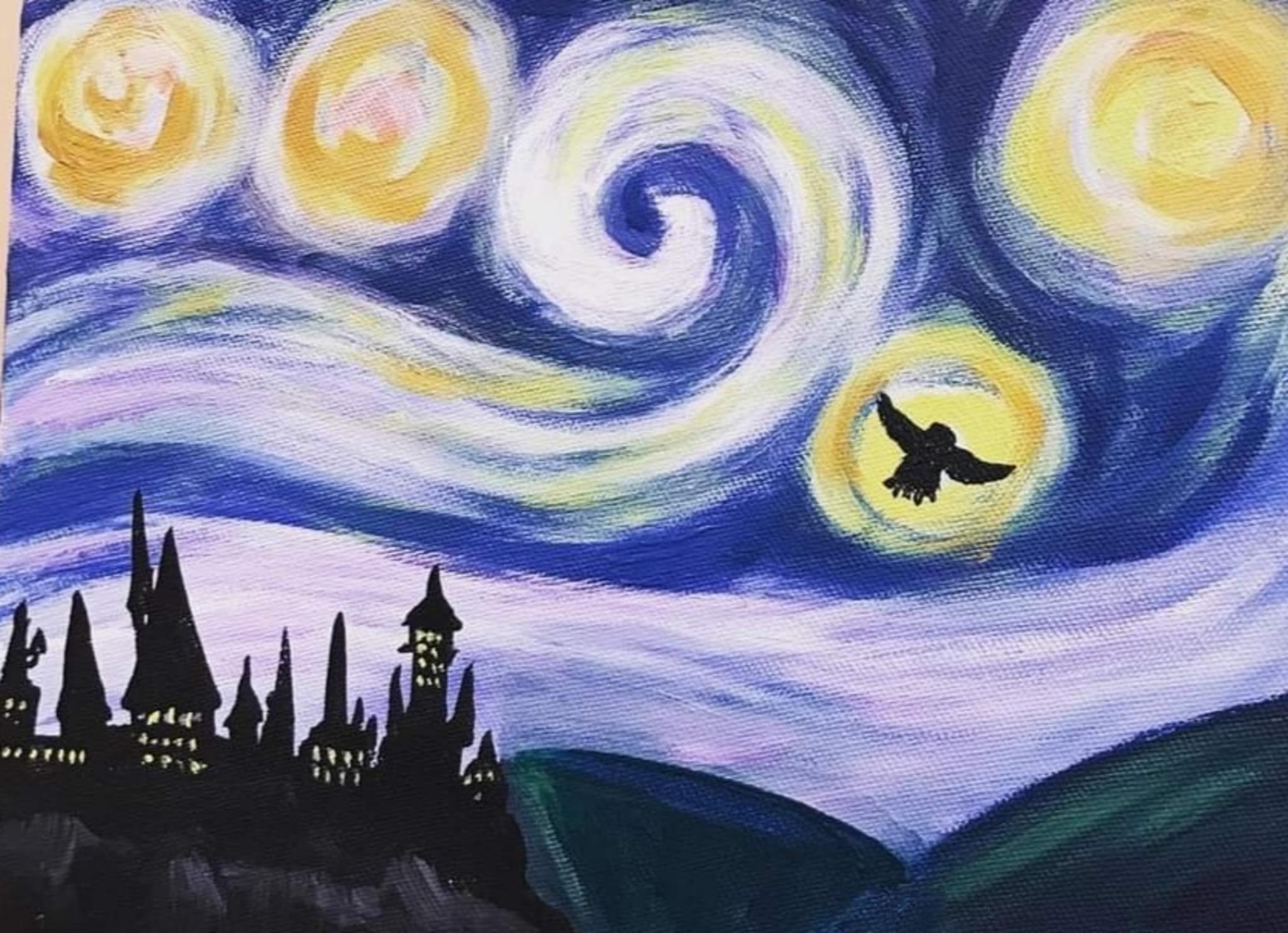

Step-by-step guide to Bring Your Imagination to Canvas
Easy & Colorful Abstract Painting for KIDS / FUN /Acrylics on Canvas / Demonstration
Step 1
Cover your work area with newspaper or an old cloth.
Step 2
Place your canvas and all materials within easy reach.
Step 3
Decide on a short story or theme you want your painting to tell.
Step 4
Lightly sketch the main shapes and layout on your canvas with a pencil.
Step 5
Squeeze small blobs of the paints you will use onto your palette or paper plate.
Step 6
Paint a background color over the whole canvas using a large brush.
Step 7
Mix two colors on your palette to make a new shade you like.
Step 8
Paint the main shapes or characters using medium brushes and your mixed colors.
Step 9
Use a sponge or stencil to add texture and interesting patterns to your scene.
Step 10
Cut out the collage pieces you want to include in your artwork.
Step 11
Glue the collage pieces onto the canvas where they fit your story.
Step 12
Add final details and small highlights with a fine brush.
Step 13
Sign your name in a corner of the canvas.
Step 14
Let your artwork dry completely before moving it.
Step 15
Share your finished creation on DIY.org.
Help!?
What can we use if we don't have a canvas, palette, or acrylic paints?
Use thick cardboard or stretched watercolor paper instead of a canvas, squeeze paints onto a paper plate for your palette, and swap acrylics for tempera, poster, or washable craft paints.
My collage pieces won't stick or keep sliding—what should I try?
Make sure the canvas is completely dry after painting, spread white school glue or craft glue on both the collage piece and canvas, press and hold or weigh it down until set, and avoid gluing onto wet paint.
How can we adapt the activity for toddlers, early elementary, and older kids?
For toddlers use washable paints, large brushes, and pre-cut collage pieces with a simple background, for early elementary add a light pencil sketch and guided color mixing on a paper plate palette, and for older kids encourage detailed composition sketches, stencil textures, fine-brush highlights, and signing before sharing on DIY.org.
How can we extend or personalize the painting beyond the basic instructions?
Add found-object collage items for 3D texture, experiment with layered glazes from mixed colors, varnish the dried canvas to protect it, write the short story on the back or attach a caption, and photograph the finished piece to post on DIY.org.
Watch videos on how to Bring Your Imagination to Canvas
DIY CANVAS PAINTING FOR KIDS Quick and EASY canvas painting tutorial for children
3 Videos

DIY CANVAS PAINTING FOR KIDS Quick and EASY canvas painting tutorial for children
How to Teach Art To Kids | Preschool To High School
The 7 Elements of Art Explained: A Fun and Easy Guide for Kids! 🎨
Facts about canvas painting and mixed-media art for kids
🎨 Acrylic paint was developed in the 1940s and is loved by artists because it dries quickly and cleans up with water.
🥚 Egg tempera is an ancient technique made by mixing pigment with egg yolk — some tempera paintings have lasted over 1,000 years.
🖼️ Canvas (usually linen or cotton) became a popular painting support in the 16th century, replacing heavier wooden panels.
🖌️ Paintbrushes come in many shapes (round, flat, filbert) and each shape helps create different textures and marks.
✂️ The word 'collage' comes from the French 'coller' (to glue); 20th-century artists used collage to add real-world texture and storytelling.
How do I guide my child to create their own canvas artwork?
What materials do I need for a child's canvas painting activity?
What ages is the 'Bring Your Imagination to Canvas' activity suitable for?
What are the benefits of painting on canvas for kids?
