Photograph an animal in the wild
Take a safe, respectful photograph of a wild animal using a camera or phone, observing from a distance and learning about habitat and behavior.


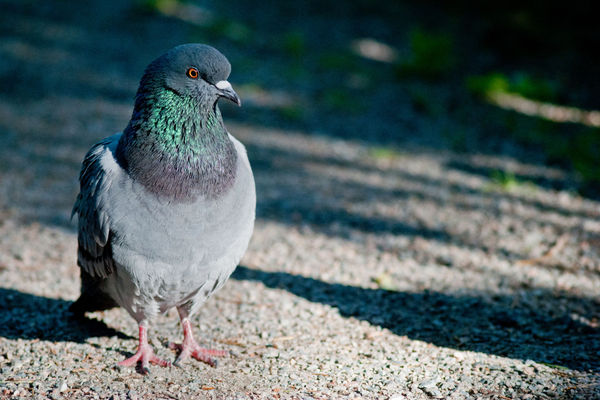
Step-by-step guide to photograph an animal in the wild
Wildlife Photography for Beginners: 5 Tips for Mirrorless
Step 1
Pick a nearby safe natural spot where wild animals live like a park pond field or woods.
Step 2
Tell an adult your plan and ask them to come with you.
Step 3
Put on comfortable shoes and weather-appropriate clothing.
Step 4
Pack your notebook pencil water bottle and small snack into a bag.
Step 5
Check a field guide or wildlife app to learn which animals you might see.
Step 6
Walk to the spot quietly without running.
Step 7
Stay on paths and behind signs to protect plants and animal homes.
Step 8
Scan the area slowly to look for animals without making sudden moves.
Step 9
Stop at a safe distance when you spot an animal.
Step 10
Stay silent and watch the animal to learn about its behavior.
Step 11
Use your camera or phone to take respectful photos from that safe distance without trying to get closer.
Step 12
Choose your favorite photo from the ones you took.
Step 13
Share your favorite photo and a short note about where and what you saw on DIY.org.
Help!?
If we don't have a field guide or wildlife app, or if a camera/phone isn't available, what can we use instead?
Use printed species lists from the park website or library nature books as a field guide substitute and use your notebook and pencil to sketch animals instead of a camera or phone.
What should we do if we can't spot animals or they move away before we can photograph them?
Follow the step to scan the area slowly and stop at a safe distance, stay very still and quiet, try waiting in one spot or visiting early morning or evening, and use your camera's zoom or sketch in your notebook if the animal is far.
How can the walk and observation be adapted for younger children or older kids?
For younger children, shorten the walk, keep the adult close and turn the activity into a picture-scavenger hunt with simple matching, while older kids can use the field guide or wildlife app, take multiple respectful photos, and write detailed notes in the notebook.
How can we extend or personalize the activity after choosing a favorite photo and sharing it on DIY.org?
Turn it into a mini-project by printing your favorite photo, adding habitat and behavior notes from your notebook, creating a short slideshow or caption series, and including location and weather details when you share on DIY.org.
Watch videos on how to photograph an animal in the wild
Animals Up Close 📸 | Nat Geo Kids Compilation | Ready, Set, Zoom! | @natgeokids
4 Videos
Animals Up Close 📸 | Nat Geo Kids Compilation | Ready, Set, Zoom! | @natgeokids
The Ultimate Wildlife Photography Hack The Secret to Perfect Animal Portraits
Meet the Wild Animals: Must-Watch for Kids! (part 1)
Learn 20 Wild Animals Names for Kids | Fun Animal Learning Video with Pictures & English Words 🐘
Facts about wildlife photography and observation
🐾 Watching from a distance helps animals feel safe—getting too close can stress wildlife and sometimes make parents abandon nests or young.
📷 Wildlife photography began in the late 1800s when portable cameras finally let people capture animals in their natural habitats.
🌍 National Geographic, founded in 1888, helped spark global interest in nature and conservation through powerful photos.
🐒 Jane Goodall started her long-term, respectful chimpanzee studies in 1960 and showed how patient observation reveals surprising behavior.
📱 Modern smartphones often have strong zooms and night modes, so kids can take great wildlife photos without disturbing animals.
How do I safely photograph a wild animal with my child?
What materials do I need to photograph wildlife with kids?
What ages is wildlife photography suitable for?
What safety tips should we follow when photographing wild animals?
