Yellowhammer Facts For Kids
The yellowhammer is a small, brightly colored bunting known for its cheerful song and preference for rural habitats.
Select reading age
Yellowhammer Facts For Kids
Videos & Quizzesincluded
About this topic
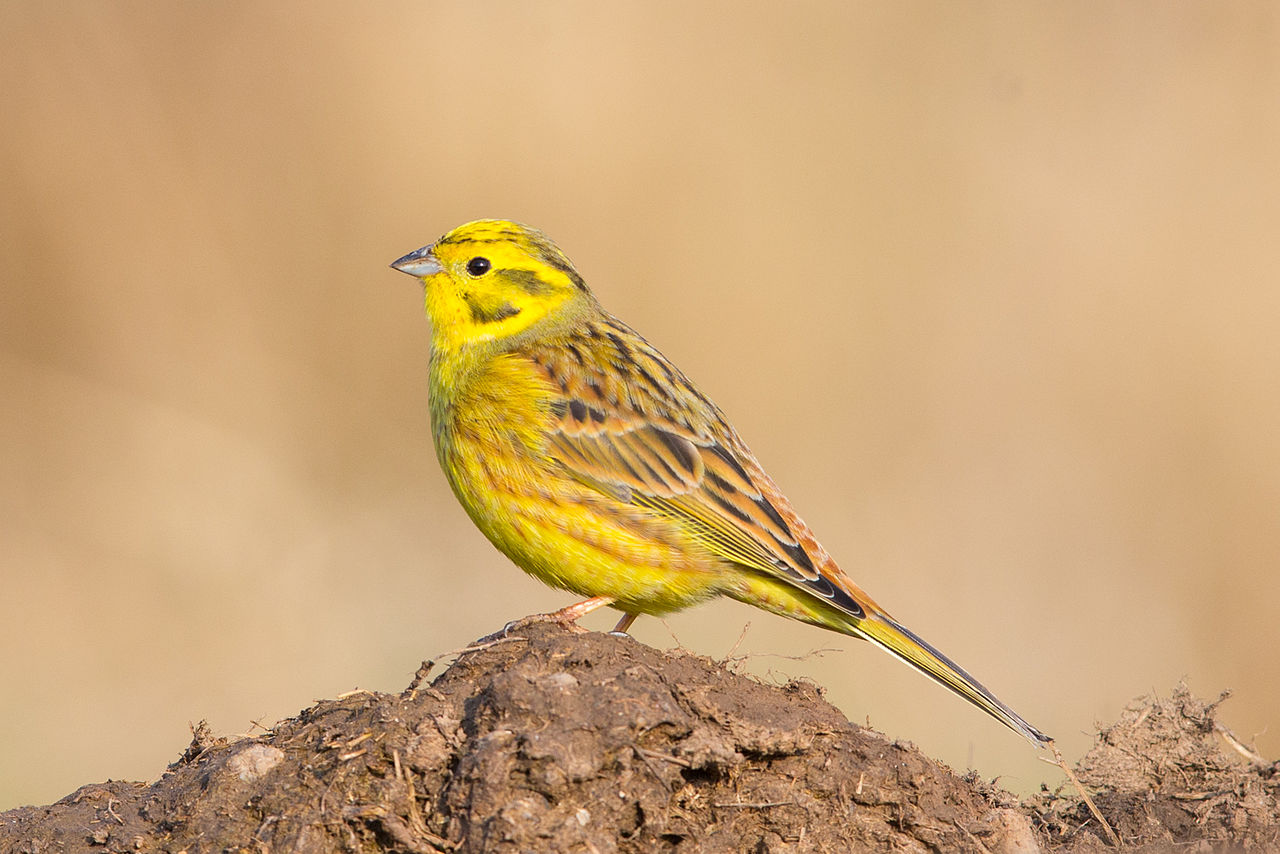
The yellowhammer is a bright, cheerful bird that sings a lovely song! 🎶It is mostly yellow with beautiful brown streaks on its back. Adult males are especially bright and can be found in Europe and parts of Asia. They are about 15 to 18 centimeters long. These birds are known for their distinctive “a little bit of bread and no cheese” song, and they are often seen perched on telephone wires or in open fields. In Britain, they are often spotted in farmlands in spring and summer. 🌼
Explore with ChatDinoQuick Facts
Key Points
Here are some super fun facts about the yellowhammer!
The yellowhammer is part of the Emberizidae family, which includes many other lovely seed-eating birds!
Yellowhammers are very sociable birds that often gather in groups, especially outside of the breeding season!
The yellowhammer is currently listed as “Near Threatened” by the International Union for Conservation of Nature (IUCN).
In spring, yellowhammers start their exciting nesting adventure!
The yellowhammer holds a special place in various cultures!
Yellowhammers are commonly found in Europe, particularly in the UK, where they thrive in farmlands, hedgerows, and woodland edges.
Yellowhammers have striking colors that make them easy to recognize!
Photos of Yellowhammer

Range map of the Yellowhammer ( Emberiza citrinella )

Male E. c. caliginosa


Traditional farmland provides good habitat for nesting and feeding.


The Eurasian sparrowhawk is a predator of the yellowhammer.

John Clare wrote two poems about the yellowhammer.

An audio speaker emitting sound waves, in the Gnome style
🎉 Fun Facts
Here are some super fun facts about the yellowhammer! 🎉Did you know that the yellowhammer can sing over 10 different songs? They have very unique calls which can help them communicate with each other! Also, these birds are known to “dance” while singing to impress their mates!🐦💃 Yellowhammers are also sometimes called "corn bunting" which can be confusing because they're not related! Watch for their bright color in your garden, and if you're quiet, you might hear their cheerful songs! 🎊
Go deeper🌾 Related Species
The yellowhammer is part of the Emberizidae family, which includes many other lovely seed-eating birds! 🌾One of its close relatives is the reed bunting, which has a similar size but different colors. They are often found in similar habitats and share the same diet of seeds and insects. Other related species include the corn bunting and the chestnut-collared longspur. These birds play important roles in ecosystems by helping to control insect populations and spreading seeds! 🐦✨
Go deeper🐦 Behavior And Diet
Yellowhammers are very sociable birds that often gather in groups, especially outside of the breeding season! 🐦They eat seeds, insects, and berries, making them an important part of the ecosystem. In spring, you might see them hopping around fields and grasslands searching for food. They have a distinctive flight pattern, flapping their wings quickly and then gliding! When feeding, they often perch on tall plants to look around while they eat. Their songs can be heard from trees and bushes, especially during mating season! 🌲
Go deeper🌍 Conservation Status
The yellowhammer is currently listed as “Near Threatened” by the International Union for Conservation of Nature (IUCN). 🌍Their populations are decreasing mainly due to habitat loss from farming practices and changing land use. Efforts are underway to help protect their environment, including planting more hedgerows and providing special areas for them to nest and feed. Conservationists are also educating farmers about how to make their land more friendly for yellowhammers and other wildlife! 🌱
Go deeper🏡 Breeding And Nesting
In spring, yellowhammers start their exciting nesting adventure! They build their nests low to the ground in dense shrubbery, using grass, leaves, and feathers to create a cozy home for their babies. 🏡Female yellowhammers lay 3 to 6 eggs that are pale blue in color, speckled with brown spots. After about 11 to 13 days, the eggs hatch, and the parents work together to feed their chicks. The baby yellowhammers grow quickly, and after about 2-3 weeks, they're ready to fledge and leave the nest! 🚼
Go deeper🎤 Cultural Significance
The yellowhammer holds a special place in various cultures! In Britain, people often associate its song with farming and rural life. 🎤The yellowhammer is often featured in children's songs and stories. Additionally, it’s part of the British folklore where it symbolizes hope and happiness. The bird appears on posters and nature guides, encouraging kids to learn about birds and protect wildlife! Many nature groups also choose the yellowhammer for conservation projects, inspiring young minds to appreciate nature! 🌻
Go deeper🌳 Habitat And Distribution
Yellowhammers are commonly found in Europe, particularly in the UK, where they thrive in farmlands, hedgerows, and woodland edges. 🌳They prefer open areas with plenty of grass and crops to eat. You can spot them in parts of Asia too, such as western Siberia, and sometimes in North Africa. Yellowhammers love sunny spots, as they help them find food and create their nests. In winter, they migrate to southern parts of land where they can find food easily! 🗺️
Go deeper🌞 Physical Characteristics
Yellowhammers have striking colors that make them easy to recognize! 🌞Male yellowhammers are bright yellow with a black crown on their heads and brown streaks on their wings and tails. They have a strong, pointed beak used for cracking seeds. Females are less colorful, featuring warmer brown tones. Their wingspan is about 30-35 centimeters, making them aerodynamically built for flight! Their legs are long and thin, allowing them to hop around on fields and grass. Did you know their feathers are specially designed to help them blend into their habitat? 🍃
Go deeper