All Articles

Ukulele

Ukulele Facts For Kids

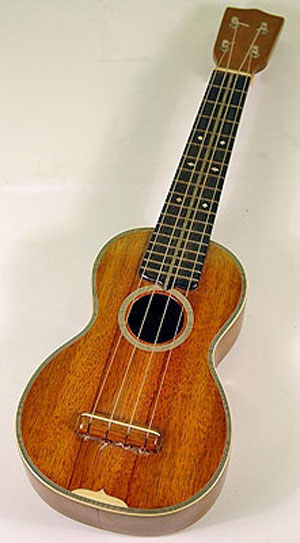
The ukulele is a small, four-stringed instrument that originated in Hawaii, known for its light, cheerful sound, and ease of play.
🎨 Reading age for 6-8
Background blob
Ukulele
Ukulele
Facts for Kids!
Image by Wemba, licensed under Creative Commons Attribution-Share Alike 3.0

Do more with AI

Introduction

The ukulele is a small string instrument that comes from Hawaii! 🌺It has four strings and looks a bit like a mini guitar. People play it by strumming or plucking the strings with their fingers. Ukuleles are fun and easy to learn! They make cheerful sounds, which is why they are popular in many music styles like folk, pop, and rock. 🎵Many people love playing the ukulele because it's light and portable, so you can take it anywhere! With practice, anyone can play their favorite songs on this delightful instrument.

Images of Ukulele

1916 cartoon by Louis M. Glackens satirizing the contemporary ukulele craze.

1916 cartoon by Louis M. Glackens satirizing the contemporary ukulele craze.

Boy in Hawaii wearing lei and holding a Maccaferri "Islander" plastic ukulele

Boy in Hawaii wearing lei and holding a Maccaferri "Islander" plastic ukulele

A modern red ukuleleImage by Declan M. Martin aka Dmartin969, licensed under Creative Commons Attribution-Share Alike 3.0

A modern red ukulele

A view of the soundhole and label of a ukulele made by Louis Viohl & Sons in Flushing, Queens, New York sometime in the 1920s: Albert Louis Viohl emigrated to the U.S. in the 1860s and started the Empire workshop in 1883, where he made various stringed musical instruments, including guitars and mandolins. Both of his sons joined the family business, and in 1902, Louis, Jr., took over running it (August was the other son), and added ukuleles to the catalogue in the late 1910s to the 1920s.Image by Lardyfatboy, licensed under Creative Commons Attribution-Share Alike 4.0

A view of the soundhole and label of a ukulele made by Louis Viohl & Sons in Flushing, Queens, New York sometime in the 1920s: Albert Louis Viohl emigrated to the U.S. in the 1860s and started the Empire workshop in 1883, where he made various stringed musical instruments, including guitars and mandolins. Both of his sons joined the family business, and in 1902, Louis, Jr., took over running it (August was the other son), and added ukuleles to the catalogue in the late 1910s to the 1920s.

Soprano pineapple ukulele (left), baritone ukulele (center) and taropatch baritone ukulele (right)Image by Emma dusepo, licensed under Creative Commons Attribution-Share Alike 3.0

Soprano pineapple ukulele (left), baritone ukulele (center) and taropatch baritone ukulele (right)

Several ukuleles in a music storeImage by en:User:Tijuana Brass, licensed under Creative Commons Attribution-Share Alike 3.0

Several ukuleles in a music store

Photos of Ukulele
Ukulele C6 tuning Playⓘ.Image by Created by Hyacinth ( talk ) 15:05, 16 December 2010 using Sibelius 5., licensed under Creative Commons Attribution-Share Alike 3.0

Ukulele C6 tuning Playⓘ.

Tuning with the "my dog has fleas" mnemonic. Playⓘ

Tuning with the "my dog has fleas" mnemonic. Playⓘ

1916 cartoon by Louis M. Glackens satirizing the contemporary ukulele craze.

1916 cartoon by Louis M. Glackens satirizing the contemporary ukulele craze.

Boy in Hawaii wearing lei and holding a Maccaferri "Islander" plastic ukulele

Boy in Hawaii wearing lei and holding a Maccaferri "Islander" plastic ukulele

A modern red ukuleleImage by Declan M. Martin aka Dmartin969, licensed under Creative Commons Attribution-Share Alike 3.0

A modern red ukulele

A view of the soundhole and label of a ukulele made by Louis Viohl & Sons in Flushing, Queens, New York sometime in the 1920s: Albert Louis Viohl emigrated to the U.S. in the 1860s and started the Empire workshop in 1883, where he made various stringed musical instruments, including guitars and mandolins. Both of his sons joined the family business, and in 1902, Louis, Jr., took over running it (August was the other son), and added ukuleles to the catalogue in the late 1910s to the 1920s.Image by Lardyfatboy, licensed under Creative Commons Attribution-Share Alike 4.0

A view of the soundhole and label of a ukulele made by Louis Viohl & Sons in Flushing, Queens, New York sometime in the 1920s: Albert Louis Viohl emigrated to the U.S. in the 1860s and started the Empire workshop in 1883, where he made various stringed musical instruments, including guitars and mandolins. Both of his sons joined the family business, and in 1902, Louis, Jr., took over running it (August was the other son), and added ukuleles to the catalogue in the late 1910s to the 1920s.

Soprano pineapple ukulele (left), baritone ukulele (center) and taropatch baritone ukulele (right)Image by Emma dusepo, licensed under Creative Commons Attribution-Share Alike 3.0

Soprano pineapple ukulele (left), baritone ukulele (center) and taropatch baritone ukulele (right)

Several ukuleles in a music storeImage by en:User:Tijuana Brass, licensed under Creative Commons Attribution-Share Alike 3.0

Several ukuleles in a music store

Photos of Ukulele
Ukulele C6 tuning Playⓘ.Image by Created by Hyacinth ( talk ) 15:05, 16 December 2010 using Sibelius 5., licensed under Creative Commons Attribution-Share Alike 3.0

Ukulele C6 tuning Playⓘ.

Tuning with the "my dog has fleas" mnemonic. PlayⓘImage by Hyacinth at English Wikipedia, licensed under Creative Commons Attribution-Share Alike 3.0

Tuning with the "my dog has fleas" mnemonic. Playⓘ

Fun Ukulele Facts

Did you know the ukulele can be played with just a few simple chords? 🎉With only C, G, F, and Am, you can play lots of songs! The ukulele is popular for its cheerful sound, which can make anyone smile! 🌈In 2011, the ukulele was declared the official instrument of Hawaii! Also, there are ukulele festivals around the world, where people gather to play and celebrate music. 🎶Lastly, the record for the world's largest ukulele ensemble was set in 2015, with over 13,000 players in the Philippines! Imagine strumming with so many friends! 🎉

Types Of Ukuleles

There are four main types of ukuleles! 🎸First, we have the soprano, which is the smallest and has a bright, cheerful sound. It’s often what people think of when they hear "ukulele." Next is the concert ukulele; it’s a bit bigger with a deeper tone. The tenor ukulele is even larger, producing a rich sound that many musicians prefer. Finally, there's the baritone ukulele, which is the largest and sounds more like a guitar! Each of these ukuleles has its unique sound, so musicians can choose based on what they like!

Famous Ukulele Players

Many talented musicians have played the ukulele! 🎤One of the most famous is Izrael Kamakawiwoʻole, known as "Iz." His version of "Somewhere Over the Rainbow" touched many hearts! Another famous player is Jake Shimabukuro, who shows incredible skill and creativity on the ukulele 🎶. There’s also Billie Eilish, who loves to include the ukulele in her songs! These musicians inspire kids all over the world to pick up a ukulele and start playing! 🌍You can even find videos of their performances online to learn from their styles!

History Of The Ukulele

The ukulele was created in the 19th century! 🎉Its roots are in the Madeira Islands of Portugal, where a similar instrument called the "braguinha" was made. In 1879, Portuguese immigrants brought it to Hawaii, and it quickly became popular. The name "ukulele" means "jumping flea" in Hawaiian! 🦗The instrument became a symbol of Hawaiian culture and was embraced by musicians around the world. Famous groups like the Island of Hawaii's Royal Hawaiian Band played it, helping it gain even more popularity! Now, many people love to play and listen to this lively instrument!

Playing Techniques And Styles

Playing the ukulele can be super fun! 🎉One way to make sounds is by strumming with your fingers or a pick. You can also use fingerpicking, where you pluck individual strings to create a lovely melody 🎶. There’s a technique called "chord playing," where you press down on strings to make different sounds. Ukuleles can be used in many styles, like island music, folk, and pop! 🌈Try practicing by playing along with your favorite songs or making up your own tunes. Remember, the more you practice, the better you’ll become!

Ukulele Tuning And Maintenance

Keeping your ukulele in tune is super important! 🎹The four strings are usually tuned to G, C, E, and A. You can use an electronic tuner or a tuning app on a smartphone. Before playing, check if your ukulele is in tune to make sure it sounds perfect! 🎼Taking care of your ukulele is also essential. Store it safely, away from extreme heat or moisture. You can wipe it down with a cloth to keep it clean. With a little care, your ukulele will stay in great shape for many fun jam sessions!

Learning Resources And Tutorials

Learning to play the ukulele is easier than you think! 📚There are many resources available! You can find YouTube videos that teach you different songs and techniques. Websites like Ukulele Underground and UkeBuddy offer free lessons! 🎸Many local music stores have classes for beginners, too! If you enjoy reading, you can find books that teach you how to play and understand music theory. You can even find apps for your tablet or smartphone that help you learn ukulele while having fun! 🌟The sky is the limit with your ukulele journey!

Cultural Significance Of The Ukulele

The ukulele is more than just a fun instrument; it's an important part of Hawaiian culture! 🌺It's often played at luaus, parties, and family gatherings. In Hawaii, people share stories and express their feelings through ukulele music. It brings people together! The ukulele has also influenced other music styles and genres around the world, like jazz and folk. 🎶Today, musicians from all cultures celebrate the ukulele, creating new sounds and styles. This instrument helps connect people and share the joy of music everywhere! 🌍💖

Ukulele Quiz

Q1
Question 1 of 10

Learn more about Ukulele

Ready to create?

Make

To create a safe space for kid creators worldwide!

Create

Vibe Coding

Kids GPT

All Tools

Kibu

Resources

Worksheets

SafeTube

Blog

FAQ

Account

Pricing

Log-in

Sign-up

Data Deletion

Company

About

Community Guidelines

Privacy Policy

Terms of Service

2025, URSOR LIMITED. All rights reserved. DIY is in no way affiliated with Minecraft™, Mojang, Microsoft, Roblox™ or YouTube. LEGO® is a trademark of the LEGO® Group which does not sponsor, endorse or authorize this website or event. Made with love in San Francisco.