Tin Facts For Kids
Tin is a silvery-white metal known for its malleability, low melting point, and resistance to corrosion, making it valuable in various applications including alloys and packaging.
Select reading age
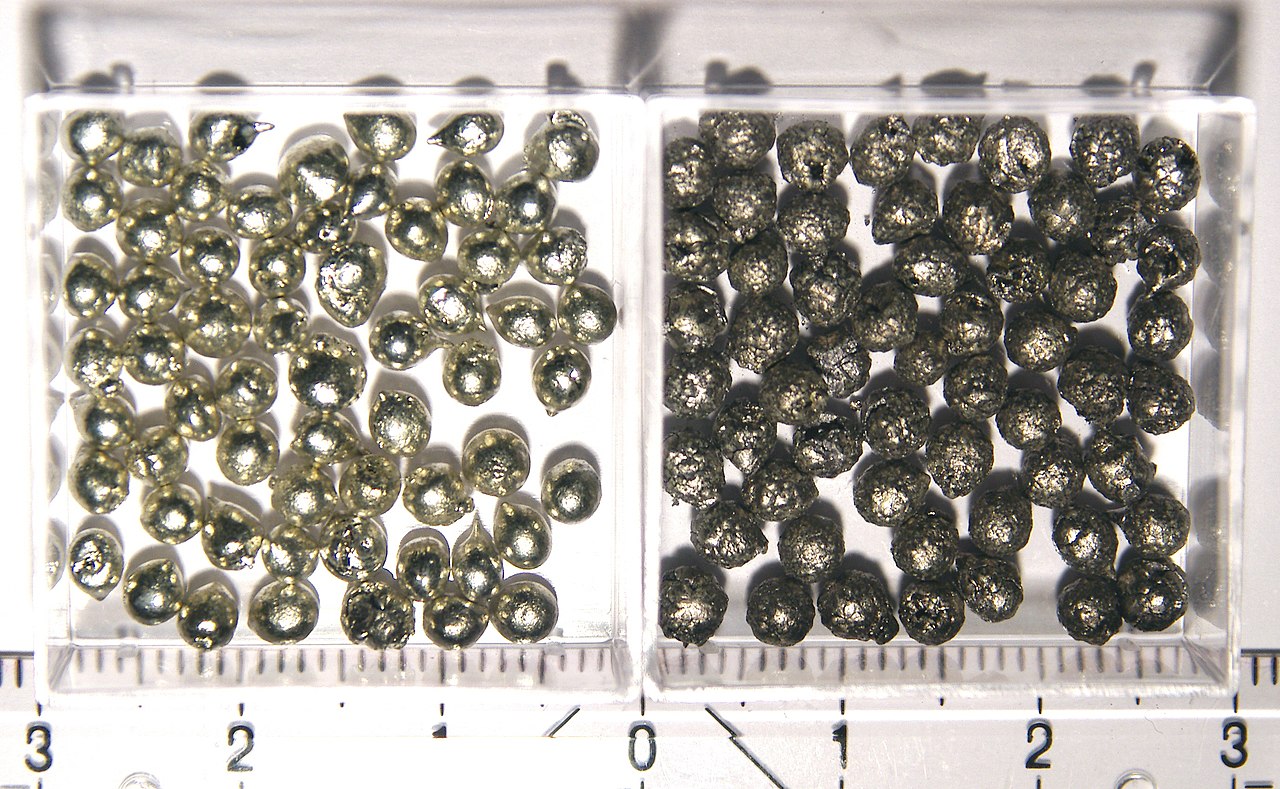
Tin Facts For Kids
Videos & Quizzesincluded
About this topic
Tin is a shiny, silver-colored metal that is soft and malleable! 🌟It has the chemical symbol "Sn," which comes from the Latin word "stannum." You can find tin in many places around the world, especially in countries like China, Indonesia, and Peru. Tin is not only a metal but also a very important part of our lives. It helps make cans, toys, and even some types of electronics! 📦🎮 Learning more about tin can help us understand how this cool metal helps build our world!
Explore with ChatDinoKey Points
Tin loves to mingle with other metals!
Did you know tin is everywhere in our daily lives?
Tin has been used for thousands of years!
Diving into the properties of tin reveals some fascinating facts!
Tin is found in ore, which is a type of rock that contains metal.
Tin mining can have effects on our environment.
The future of tin is bright!
Tin plays an important role in cultures around the world!
Photos of Tin

Body-centred tetragonal crystal structure.

Droplet of solidified molten tin

Ceremonial giant bronze dirk of the Plougrescant-Ommerschans type, Plougrescant, France, 1500–1300 BC
![Ball-and-stick models of the structure of solid stannous chloride (SnCl2)[50]](https://upload.wikimedia.org/wikipedia/commons/thumb/1/1a/Tin%28II%29-chloride-xtal-1996-3D-balls-front.png/960px-Tin%28II%29-chloride-xtal-1996-3D-balls-front.png)
Ball-and-stick models of the structure of solid stannous chloride (SnCl2)[50]

Sample of cassiterite, the main ore of tin

World production and price (US exchange) of tin

Tin Prices 2008–2022 See also: 2020s commodities boom

World consumption of refined tin by end-use, 2006
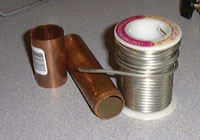
A coil of lead-free solder wire
🌈 Tin Alloys
Tin loves to mingle with other metals! 🌈When tin is mixed with other metals, they create shiny combinations called alloys. One well-known alloy is bronze, made by mixing tin with copper. 🥉This mixture has been crucial for making strong tools and statues! Another important alloy is pewter, which is made with tin, copper, and sometimes other metals. 🥄Pewter is used for making cups and decorative items. As you can see, tin is a wonderful team player when it comes to creating new and useful materials!
Go deeper🏠 Uses Of Tin
Did you know tin is everywhere in our daily lives? 🏠One of its most common uses is in tin cans that hold food and drinks, which keep them fresh! 🥫Tin is also used to coat other metals, like in tin-plated steel, to prevent rust. In addition, it can be found in solder, which joins metal pieces together in electronics, allowing your toys and gadgets to work! 🚀Lastly, tin is used in some types of glass and ceramics. Next time you pop a soda, you’re enjoying tin’s useful role!
Go deeper🏺 History Of Tin
Tin has been used for thousands of years! 🏺Historians believe people started using tin around 3000 BC. One important discovery was the Bronze Age, around 2000 BC, when tin was mixed with copper to make bronze. This strong metal was used to create tools, weapons, and jewelry! 🌍The early Egyptians even used tin in their cooking pots! Over time, tin became popular in countries like England and the USA, where it was used for making shiny plates and containers. Can you imagine cooking with ancient tin pots? 🍳
Go deeper🧪 Properties Of Tin
Diving into the properties of tin reveals some fascinating facts! 🧪Tin is a metal, and it has a melting point of 232°C (450°F), which is quite low compared to other metals. This means it melts easily! ❄️ Tin is also highly resistant to corrosion, which means it doesn't rust! It is lightweight and easy to work with. When cooled, tin can produce a ringing sound like a bell! 🛎️ This property helps people design items that need to stay durable. All these features make tin a unique and useful metal!
Go deeper⛏️ Tin Production And Mining
Tin is found in ore, which is a type of rock that contains metal. The most famous ore for tin mining is called cassiterite! ⛏️ Countries like Indonesia, China, and Bolivia are leading producers of tin. The mining process involves digging deep into the ground, extracting ore, and then refining it to get pure tin. 🪨This refined tin can then be shaped into different items! To be safe, miners wear protective gear, as mining can be risky. Tin mining helps support many communities around the world!
Go deeper🌍 Environmental Impact Of Tin
Tin mining can have effects on our environment. 🌍Sometimes, mining can harm forests and wildlife habitats. To gather tin, miners may clear large areas of land, which can affect local plants and animals. 🐾It is important for miners and companies to use safe mining practices to keep our Earth healthy! In recent years, people are also learning about creating “clean” tin, which is mined responsibly and sustainably. ♻️ This way, we can enjoy the benefits of tin while protecting the planet for future generations!
Go deeper🌟 Future Of Tin In Technology
The future of tin is bright! 🌟As technology advances, tin is becoming essential in new inventions. Scientists are researching ways to use tin in new batteries that can store energy better for things like electric cars! 🚗Tin is also important in developing eco-friendly technology. Flash drives and various electronics rely on tin soldering to connect parts. As we continue to explore how to use tin wisely, it can help create a cleaner and more exciting world in the future! What kind of inventions do you think tin will be a part of next?
Go deeper🎉 Cultural Significance Of Tin
Tin plays an important role in cultures around the world! 🎉For example, tin is used in the traditional craft of tin smithing, where artisans create beautiful items by shaping and decorating tin. Many cultures celebrate anniversaries with tin as it is often associated with the 10th anniversary gift! 💍In ancient Egypt, tin was valued for its use in decorative items and pots. In some parts of the world, tin is also used during festivals to make shiny decorations or tools! How does your culture use tin?
Go deeper