Three-toed Sloth Facts For Kids
The three-toed sloth is a slow-moving, tree-dwelling mammal known for its distinctive three long toes and low metabolism, primarily found in Central and South America's rainforests.
Select reading age
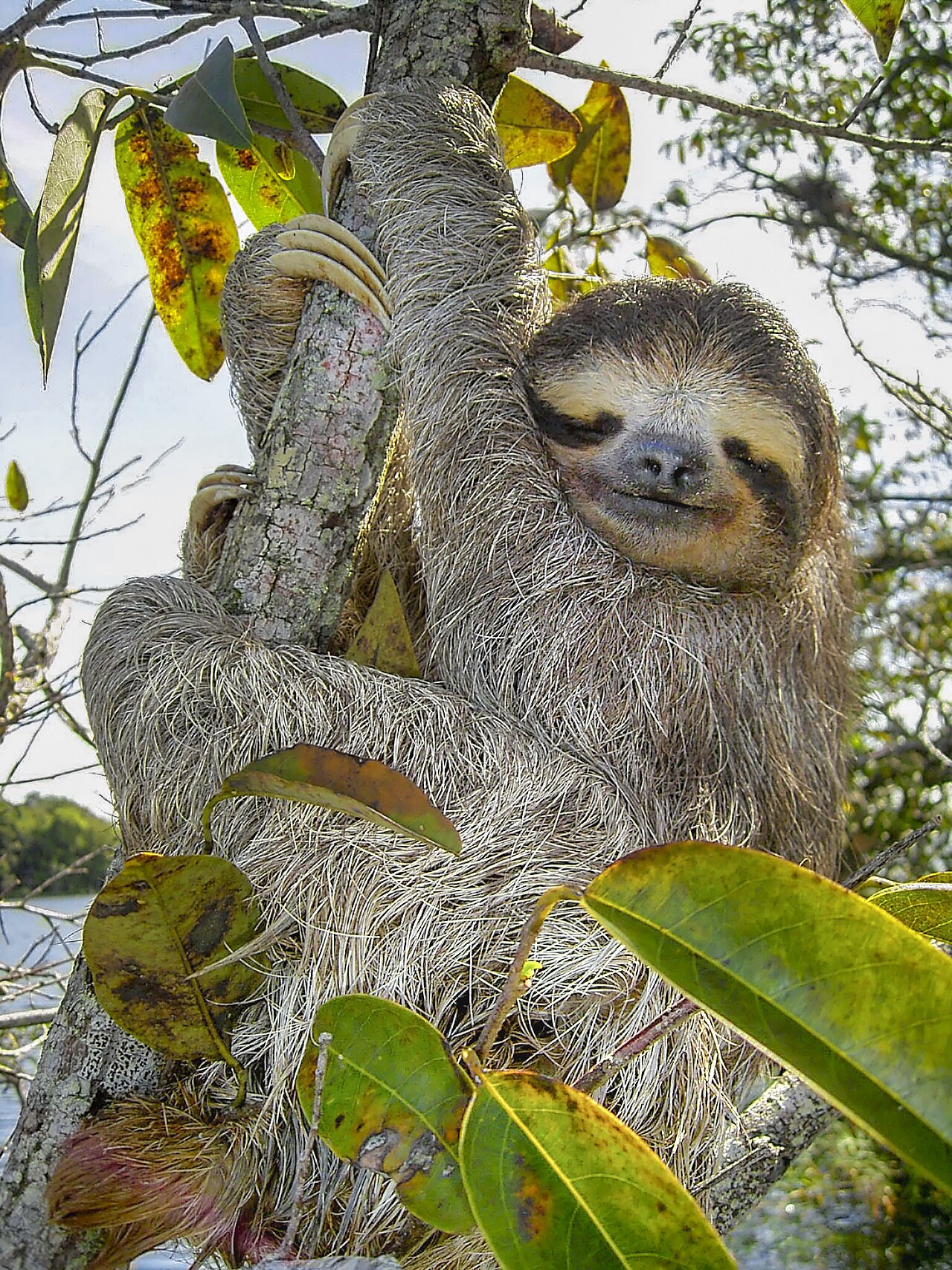
Three-toed Sloth Facts For Kids
Videos & Quizzesincluded
About this topic
The three-toed sloth is a fascinating mammal that lives in the forests of Central and South America, including countries like Brazil, Colombia, and Costa Rica. 🌳Sloths are known for their slow movements and sleepy demeanor. They spend most of their time hanging upside down in trees! With long arms and a unique way of moving, these adorable creatures can be a bit clumsy. 🌿There are two main types of three-toed sloths: the Brown-throated Sloth and the Pale-throated Sloth. These creatures are well-adapted to life in the canopy, making them masters of the treetops!
Explore with ChatDinoKey Points
1.
The three-toed sloth is currently classified as "Least Concern" on the IUCN Red List.
Sloths have become popular animals in movies, books, and social media due to their cute and laid-back nature.
Three-toed sloths are herbivores, which means they eat only plants!
Three-toed sloths live in tropical rainforests and cloud forests, which are areas with tall trees and lots of leaves.
Three-toed sloths are unique animals with some interesting physical traits!
Three-toed sloths have a pretty cool reproduction process!
Sloths are not very social animals and usually live alone.
Photos of Three-toed Sloth

Three-toed Sloth — photo 1

Three-toed Sloth — photo 2

Three-toed Sloth — photo 3

Three-toed Sloth — photo 4

Three-toed Sloth — photo 5

Three-toed Sloth — photo 6

Three-toed sloth crossing a road in Alajuela, Costa Rica
🌊 Fun Facts
1. Did you know that sloths can hold their breath for up to 40 minutes when swimming? 🌊
2. Three-toed sloths have a special adaptation: their necks can rotate nearly 270 degrees! 🔄
3. Sloths have a surprising amount of muscle for their slow lifestyle, which helps them climb and swim!
4. The algae in their fur provides camouflage and is also a source of food for some insects! 🐜
5. Because of their easy-going lifestyle, sloths can sleep up to 20 hours a day! 😴
Go deeper2. Three-toed sloths have a special adaptation: their necks can rotate nearly 270 degrees! 🔄
3. Sloths have a surprising amount of muscle for their slow lifestyle, which helps them climb and swim!
4. The algae in their fur provides camouflage and is also a source of food for some insects! 🐜
5. Because of their easy-going lifestyle, sloths can sleep up to 20 hours a day! 😴
🌍 Conservation Status
The three-toed sloth is currently classified as "Least Concern" on the IUCN Red List. 🌍However, they face threats from habitat loss due to deforestation and climate change. 🌳Protecting their natural habitats is important for their survival. Organizations around the world are working to conserve forests and create safe spaces for sloths to live. It's vital for everyone to care for our environment to help these amazing creatures thrive!
Go deeper📚 Cultural Significance
Sloths have become popular animals in movies, books, and social media due to their cute and laid-back nature. 📚One famous sloth is Sid from the "Ice Age" movies. These characters often showcase the fun and quirky side of sloths! Many cultures in Central and South America also respect sloths as part of their ecosystems, as they play essential roles in maintaining forest health by helping to disperse seeds through their droppings. 🌈
Go deeper🌱 Diet And Feeding Habits
Three-toed sloths are herbivores, which means they eat only plants! 🌱They mainly munch on leaves, flowers, and fruit. Their favorite leaves come from trees like ceiba and guanacaste. Sloths have a slow metabolism, so they digest food very slowly, taking several days to break it down! 🕒Because of this slow digestion, sloths often eat about 1/4 of their body weight in leaves every day. They can also be picky eaters, sometimes only choosing certain types of leaves for their meals. Yum!
Go deeper😃 Habitat And Distribution
Three-toed sloths live in tropical rainforests and cloud forests, which are areas with tall trees and lots of leaves. 😃They usually stay high up in the trees, around 30 feet off the ground! These forests are found in countries like Nicaragua, Ecuador, and Panama. 🌳Sloths prefer damp environments where they can find plenty of food like leaves, fruits, and flowers. They are excellent at blending into their surroundings, making it hard for predators to spot them. This clever camouflage helps them stay safe in the wild!
Go deeper🦥 Physical Characteristics
Three-toed sloths are unique animals with some interesting physical traits! 🦥They have long arms, measuring up to four feet, which help them hang from branches. Their bodies are covered in coarse, brownish-grey fur that often has green algae, helping them blend in with the trees! Their signature three toes make them fantastic climbers. 😊Sloths also have very strong claws that help grip onto branches tightly. One interesting fact: they only have a small number of teeth compared to other mammals, which aids in their slow lifestyle!
Go deeper👶 Reproduction And Lifespan
Three-toed sloths have a pretty cool reproduction process! When a female is ready to mate, she lets the male know with special calls. After mating, the female carries her baby for about 6 months. 👶When the baby is born, it clings to its mother's belly for safety! Young sloths stay with their mothers for around one year before they become independent. In the wild, three-toed sloths can live up to 20 years. However, in captivity, they may live even longer!
Go deeper🦥 Behavior And Social Structure
Sloths are not very social animals and usually live alone. 🦥They’re happy to hang out in their own trees and spend most of their time resting or sleeping! Sloths are mostly active at night, known as nocturnal creatures. They are very slow movers, which helps them avoid detection by predators like jaguars. 🌙So, if you ever see a slow-moving figure in the canopy, it might just be a three-toed sloth! They often communicate with one another through soft sounds like whistles or grunts.
Go deeper