All Articles

The Little Prince

The Little Prince Facts For Kids

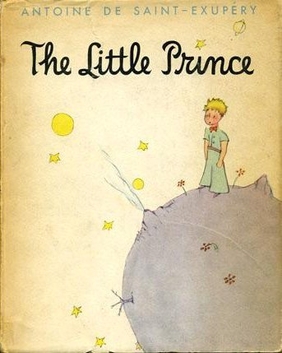
'The Little Prince' is a beloved novella by Antoine de Saint-Exupéry, telling a whimsical story about a young prince from an asteroid who learns about love, friendship, and life's deeper meanings through encounters on Earth.
🎨 Reading age for 6-8
Background blob
The Little Prince
Facts for Kids!
Image by Antoine de Saint-Exupéry (1900–1944), licensed under Fair use

Do more with AI

Introduction

"The Little Prince" is a special story written by Antoine de Saint-Exupéry in 1943 🌟. It tells the tale of a young prince who travels from planet to planet, discovering important lessons about love, friendship, and responsibility. The story begins when a pilot, stranded in the Sahara Desert, meets the Little Prince, who shares his adventures and experiences with him. This enchanting novella has been translated into over 300 languages and is loved by children and adults around the world 🌎. Each character in the book teaches us something magical about life! ✨

Images of The Little Prince

The Rose in The Little Prince was likely inspired by Saint-Exupéry's Salvadoran wife, Consuelo (Montreal, 1942)
The Rose in The Little Prince was likely inspired by Saint-Exupéry's Salvadoran wife, Consuelo (Montreal, 1942)

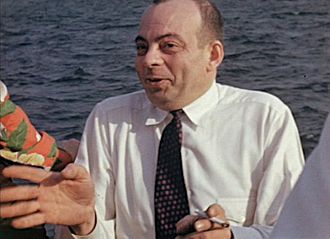
The writer-aviator on Lac Saint-Louis during a speaking tour in support of France after its armistice with Germany. He started his work on the novella shortly after returning to the United States (Quebec, 1942).

The writer-aviator on Lac Saint-Louis during a speaking tour in support of France after its armistice with Germany. He started his work on the novella shortly after returning to the United States (Quebec, 1942).

The Bevin House on Long Island, one of the locations in which The Little Prince was written during the summer and fall of 1942.[49]

The Bevin House on Long Island, one of the locations in which The Little Prince was written during the summer and fall of 1942.[49]

Two editions of The Little Prince (lower left in French and upper right in English, artwork not shown) in the Saint-Exupéry permanent exhibit at the French Air and Space Museum, Le Bourget, Paris (2008)

Two editions of The Little Prince (lower left in French and upper right in English, artwork not shown) in the Saint-Exupéry permanent exhibit at the French Air and Space Museum, Le Bourget, Paris (2008)

Some of the more than 250 translations of The Little Prince, these editions displayed at the National Museum of Ethnology, Osaka, Japan (2013)

Some of the more than 250 translations of The Little Prince, these editions displayed at the National Museum of Ethnology, Osaka, Japan (2013)

A short 45 RPM demo recording by Richard Burton narrating The Little Prince with music by Mort Garson, excerpted from a longer 33⅓ RPM vinyl record album. Burton won the Best Children's Album Grammy Award for his narration (1975).

A short 45 RPM demo recording by Richard Burton narrating The Little Prince with music by Mort Garson, excerpted from a longer 33⅓ RPM vinyl record album. Burton won the Best Children's Album Grammy Award for his narration (1975).

One of numerous stage adaptations of Saint-Exupéry's child and adult fable, this one at the University of Minnesota's Rarig Center Proscenium (2010)

One of numerous stage adaptations of Saint-Exupéry's child and adult fable, this one at the University of Minnesota's Rarig Center Proscenium (2010)

The Rose in The Little Prince was likely inspired by Saint-Exupéry's Salvadoran wife, Consuelo (Montreal, 1942)

The Rose in The Little Prince was likely inspired by Saint-Exupéry's Salvadoran wife, Consuelo (Montreal, 1942)

The writer-aviator on Lac Saint-Louis during a speaking tour in support of France after its armistice with Germany. He started his work on the novella shortly after returning to the United States (Quebec, 1942).

The writer-aviator on Lac Saint-Louis during a speaking tour in support of France after its armistice with Germany. He started his work on the novella shortly after returning to the United States (Quebec, 1942).

The Bevin House on Long Island, one of the locations in which The Little Prince was written during the summer and fall of 1942.[49]

The Bevin House on Long Island, one of the locations in which The Little Prince was written during the summer and fall of 1942.[49]

Two editions of The Little Prince (lower left in French and upper right in English, artwork not shown) in the Saint-Exupéry permanent exhibit at the French Air and Space Museum, Le Bourget, Paris (2008)Image by Harry Zilber, licensed under Creative Commons Attribution-Share Alike 3.0

Two editions of The Little Prince (lower left in French and upper right in English, artwork not shown) in the Saint-Exupéry permanent exhibit at the French Air and Space Museum, Le Bourget, Paris (2008)

Some of the more than 250 translations of The Little Prince, these editions displayed at the National Museum of Ethnology, Osaka, Japan (2013)Image by Yanajin33, licensed under Creative Commons Attribution-Share Alike 3.0

Some of the more than 250 translations of The Little Prince, these editions displayed at the National Museum of Ethnology, Osaka, Japan (2013)

A short 45 RPM demo recording by Richard Burton narrating The Little Prince with music by Mort Garson, excerpted from a longer 33⅓ RPM vinyl record album. Burton won the Best Children's Album Grammy Award for his narration (1975).

A short 45 RPM demo recording by Richard Burton narrating The Little Prince with music by Mort Garson, excerpted from a longer 33⅓ RPM vinyl record album. Burton won the Best Children's Album Grammy Award for his narration (1975).

A typeface inspired by The Little Prince designed by Graphic Designer You LuImage by Lulululululu1994, licensed under Creative Commons Attribution-Share Alike 4.0

A typeface inspired by The Little Prince designed by Graphic Designer You Lu

One of numerous stage adaptations of Saint-Exupéry's child and adult fable, this one at the University of Minnesota's Rarig Center Proscenium (2010)Image by Dave Stagner, licensed under Creative Commons Attribution-Share Alike 2.0

One of numerous stage adaptations of Saint-Exupéry's child and adult fable, this one at the University of Minnesota's Rarig Center Proscenium (2010)

Summary Of The Plot

In "The Little Prince," a pilot meets a little boy from another planet while lost in the Sahara Desert 🏜️. This boy is the Little Prince! He tells the pilot about his home, a tiny asteroid called B-612, which he left to explore the universe 🌌. Throughout his travels, he meets various characters, like a king, a fox, and a rose, learning valuable lessons about love and responsibility. The story teaches the pilot—and us—that what is essential is invisible to the eye 👀. The Little Prince reminds everyone to cherish the simple joys in life!

Analysis Of Characters

The characters in "The Little Prince" are unique and teach valuable lessons! 🦄The Little Prince himself is curious and innocent, representing the wisdom of childhood 🌱. The pilot represents adults, often too busy to appreciate the simple things in life. The king symbolizes power, but he shows us that ruling is not as fun as it seems 🌍. The fox teaches about friendship and taming, meaning creating bonds. The rose represents love—beautiful but also delicate 🌹. Each character brings important lessons to the story, reminding us of life’s real treasures! ✨

Philosophical Insights

"The Little Prince" encourages readers to think deeply! 🧠One important idea is that adults often forget what really matters in life—like love, friendships, and taking care of one another. 🌈The story invites us to see the world through a child's eyes, full of imagination and wonder. When the Little Prince says, "You become responsible, forever, for what you have tamed," it teaches us about commitment and caring for others. 📖These philosophical insights make the book not just a story, but a way to think about our lives and how we connect with the world.

Background Of The Author

Antoine de Saint-Exupéry was born in Lyon, France, on June 29, 1900 🎂. He became a famous writer and a brave pilot ✈️ during World War II. His love for flying and exploring the world inspired him to write many stories. After he disappeared during a flight in 1944, "The Little Prince" became his most famous work. His personal experiences with loneliness and friendship shaped the characters in his stories 📚. Saint-Exupéry wanted readers to remember the beauty of imagination and the importance of seeing through the eyes of a child. 🌈

Major Themes And Symbolism

"The Little Prince" touches on many big ideas! 🌟One major theme is friendship 💖. The Little Prince forms deep connections with the characters he meets. Another important theme is imagination. The story shows how looking at the world with childlike wonder can teach us so much. Symbolism is powerful in the story; for example, the rose symbolizes love, while the fox teaches the importance of building relationships 🦊. The Little Prince's journeys represent our search for meaning and understanding in life, all through simple yet profound experiences. 🌼

Comparison With Other Works

"The Little Prince" shares similar themes with other famous stories! 🌟For example, like "Alice's Adventures in Wonderland" by Lewis Carroll, both tales take a journey into a whimsical world filled with unique characters 🐇. Both stories encourage imagination and exploration. Also, "Winnie the Pooh" by A.A. Milne explores friendship and adventure, just like the Little Prince's travels. 🌼Each of these tales reminds readers about the importance of innocence and wonder, showing that stories from different cultures can teach us similar values! 📚

Cultural Impact And Adaptations

Since its publication, "The Little Prince" has influenced many cultures all around the world! 🌐It's not just a book; it has been turned into movies, plays, and even animated films 🎥. People from Japan to Brazil have created art and stories inspired by the Little Prince’s adventures. The story encourages kindness and curiosity, making it a favorite among children and adults! Teachers often use it to teach lessons about friendship and understanding. You might also find it in theaters, museums, and schools, showing how powerful a little prince can be! 👑

The Role Of Childhood In The Narrative

Childhood plays a huge role in "The Little Prince" 🧒! The Little Prince himself represents the joy, curiosity, and innocence of being a child. Through his eyes, we learn that children notice things that adults often overlook, like the importance of feelings and connections 💞. The book reminds us that keeping a child’s heart alive helps us appreciate the little things in life. The characters in the story reflect how adult worries can blind us to joy and creativity, encouraging readers to always cherish their inner child and have fun with imagination. 🌈

Illustrations And Art In The Little Prince

Antoine de Saint-Exupéry also illustrated "The Little Prince" himself! 🎨His charming drawings help bring the story to life. With simple lines and soft colors, the illustrations show the Little Prince, his planet, and his adventures with an imaginative touch. The art is so special because it captures the emotions of the characters and the beauty of their world 🌌. Readers love finding the hidden meanings in the illustrations, like the way the fox’s eyes sparkle or how the Little Prince cares for his rose 🌹. The art encourages imagination and creativity!

The Little Prince Quiz

Q1
Question 1 of 10

Learn more about The Little Prince

Ready to create?

Make

To create a safe space for kid creators worldwide!

Create

Vibe Coding

Kids GPT

All Tools

Kibu

Resources

Worksheets

SafeTube

Blog

FAQ

Account

Pricing

Log-in

Sign-up

Data Deletion

Company

About

Community Guidelines

Privacy Policy

Terms of Service

2025, URSOR LIMITED. All rights reserved. DIY is in no way affiliated with Minecraft™, Mojang, Microsoft, Roblox™ or YouTube. LEGO® is a trademark of the LEGO® Group which does not sponsor, endorse or authorize this website or event. Made with love in San Francisco.