All Articles

Rastafari

Rastafari Facts For Kids

Rastafari is an Abrahamic religion that developed in Jamaica during the 1930s, focusing on love, unity, and the divinity of Emperor Haile Selassie I of Ethiopia.

🎨 Reading age for 6-8
Background blob
Rastafari
Rastafari
Facts for Kids!

Do more with AI

Introduction

Rastafari is a colorful and lively belief system that started in Jamaica during the 1930s! 🌴It grew from the idea that African culture should be celebrated. Rastafari teaches love, respect, and unity among all people. One important figure is Emperor Haile Selassie I of Ethiopia, who many Rastafarians view as a prophet! 🎉This religion promotes peace, along with the idea that people should return to their African roots. Rastafari also has its own unique way of life, with special music, ceremonies, and symbols that make it distinct and vibrant! 🌈

Images of Rastafari

Two Rastafas in Zeerust, South Africa; they are wearing and selling items that display their commitment to the religionImage by Ossewa, licensed under Creative Commons Attribution-Share Alike 4.0

Two Rastafas in Zeerust, South Africa; they are wearing and selling items that display their commitment to the religion

The Liberty Bell Temple in Los AngelesImage by Cholo Aleman, licensed under Creative Commons Attribution-Share Alike 3.0

The Liberty Bell Temple in Los Angeles

Haile Selassie, the Emperor of Ethiopia between 1930 and 1974. He is of central importance to Rastas, many of whom regard him as the Second Coming of Jesus and thus God incarnate in human form.

Haile Selassie, the Emperor of Ethiopia between 1930 and 1974. He is of central importance to Rastas, many of whom regard him as the Second Coming of Jesus and thus God incarnate in human form.

The eastern African nation of Ethiopia is given great prominence in Rasta doctrine.Image by Africa (orthographic projection).svg : Martin23230 LocationEritrea.svg : User:Rei-artur derivative work Sémhur, licensed under Creative Commons Attribution-Share Alike 3.0

The eastern African nation of Ethiopia is given great prominence in Rasta doctrine.
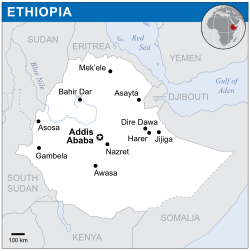
A map of Ethiopia, sometimes called "Zion" by RastasImage by UN Office for the Coordination of Humanitarian Affairs (OCHA), licensed under Creative Commons Attribution 3.0

A map of Ethiopia, sometimes called "Zion" by Rastas

A Rasta in Barbados, wearing a rastacap decorated in the Rastafari colours: green, gold, red and blackImage by Klaus-J. Kahle, licensed under Creative Commons Attribution 3.0

A Rasta in Barbados, wearing a rastacap decorated in the Rastafari colours: green, gold, red and black

The Rasta Shop, a store selling items associated with Rastafari in the U.S. state of OregonImage by Kingofthedead, licensed under Creative Commons Attribution-Share Alike 4.0

The Rasta Shop, a store selling items associated with Rastafari in the U.S. state of Oregon

A group of Rastas in Liberia celebrating Marcus Garvey's birthdayImage by Jefferson Krua, licensed under Creative Commons Attribution-Share Alike 4.0

A group of Rastas in Liberia celebrating Marcus Garvey's birthday

A flowering cannabis plant; the smoking of which is considered a Biblically sanctioned sacrament by RastasImage by Cannabis Training University, licensed under Creative Commons Attribution-Share Alike 3.0

A flowering cannabis plant; the smoking of which is considered a Biblically sanctioned sacrament by Rastas

Two Rastafas in Zeerust, South Africa; they are wearing and selling items that display their commitment to the religionImage by Ossewa, licensed under Creative Commons Attribution-Share Alike 4.0

Two Rastafas in Zeerust, South Africa; they are wearing and selling items that display their commitment to the religion

The Liberty Bell Temple in Los AngelesImage by Cholo Aleman, licensed under Creative Commons Attribution-Share Alike 3.0

The Liberty Bell Temple in Los Angeles

Haile Selassie, the Emperor of Ethiopia between 1930 and 1974. He is of central importance to Rastas, many of whom regard him as the Second Coming of Jesus and thus God incarnate in human form.

Haile Selassie, the Emperor of Ethiopia between 1930 and 1974. He is of central importance to Rastas, many of whom regard him as the Second Coming of Jesus and thus God incarnate in human form.

The eastern African nation of Ethiopia is given great prominence in Rasta doctrine.Image by Africa (orthographic projection).svg : Martin23230 LocationEritrea.svg : User:Rei-artur derivative work Sémhur, licensed under Creative Commons Attribution-Share Alike 3.0

The eastern African nation of Ethiopia is given great prominence in Rasta doctrine.

A map of Ethiopia, sometimes called "Zion" by Rastas

A map of Ethiopia, sometimes called "Zion" by Rastas

A Rasta in Barbados, wearing a rastacap decorated in the Rastafari colours: green, gold, red and blackImage by Klaus-J. Kahle, licensed under Creative Commons Attribution 3.0

A Rasta in Barbados, wearing a rastacap decorated in the Rastafari colours: green, gold, red and black

The Rasta Shop, a store selling items associated with Rastafari in the U.S. state of OregonImage by Kingofthedead, licensed under Creative Commons Attribution-Share Alike 4.0

The Rasta Shop, a store selling items associated with Rastafari in the U.S. state of Oregon

A group of Rastas in Liberia celebrating Marcus Garvey's birthdayImage by Jefferson Krua, licensed under Creative Commons Attribution-Share Alike 4.0

A group of Rastas in Liberia celebrating Marcus Garvey's birthday

A flowering cannabis plant; the smoking of which is considered a Biblically sanctioned sacrament by RastasImage by Cannabis Training University, licensed under Creative Commons Attribution-Share Alike 3.0

A flowering cannabis plant; the smoking of which is considered a Biblically sanctioned sacrament by Rastas

Origins Of Rastafari

Rastafari began in Jamaica during the 1930s, when many people were inspired by ideas of African identity and independence. 🇯🇲 The movement grew after a speech by Marcus Garvey, who encouraged people of African descent to be proud of their heritage. When many Jamaicans heard about Haile Selassie I, the king of Ethiopia, they felt he was a symbol of hope and freedom! ☀️ They saw him as a leader who would help them connect with their African roots and fight against discrimination and oppression. This sparked the creation of the Rastafari movement!

Rituals And Practices

Rastafari has fun and meaningful rituals! One important ceremony is called "reasoning," where people gather to talk and share ideas. 🙌This is often accompanied by music and food. Rastafarians also use a special diet called Ital, which focuses on eating natural and organic foods. 📿Some Rastafarians grow their hair into dreadlocks as a symbol of their faith and pride. They value feelings and intuition, often using music, like Reggae, to express their beliefs. These rituals help create a strong sense of community and love among Rasta people! 🎶

Symbolism And Iconography

Symbols are very important in Rastafari! 🌈The Lion of Judah is often seen, representing strength and bravery. 🔊The colors of red, green, and yellow are also super special: red symbolizes the blood of African people, green stands for the land of Africa, and yellow represents the precious gold found there. 🎨The Ethiopian flag is important too, as it symbolizes the connection to Africa. Rastafarians often wear these colors proudly in their clothes and have them in their art, showing their unique identity and love for their heritage! 🌍

Core Beliefs And Principles

Rastafari emphasizes belief in one God, called Jah, who is found in everyone. 🙏Rastafarians also celebrate life and nature. They believe in living simply and treating others with kindness. A very important principle is "I and I," which means that everyone is connected and equal! 🌍They also emphasize the importance of African repatriation and supporting each other in overcoming challenges. Rasta followers often avoid processed foods and prefer natural items, believing this keeps their bodies healthy. This way of life encourages people to live in harmony with each other and with nature! 🌱

Rastafari And Social Justice

Rastafari is about standing up for what is right! ✊Many Rastafarians believe in fighting against racism and inequality. They aim to speak out for those who don't have a voice. Rastafari teaches that everyone should be treated fairly, regardless of their background! 🔥Influential figures like Marcus Garvey inspired Rastafarians to advocate for African rights and empowerment. The Rastafarians joined movements around the world to demand civil rights and justice for all people. This commitment to social justice continues to be a big part of Rastafarian beliefs, encouraging positive change! 🙏

Influence Of Ethiopian Culture

Ethiopia holds a special place in Rastafari. The country is seen as a symbol of African strength and resistance. ✊Many Rastafarians feel a deep connection to Ethiopia because it is one of the first places to avoid colonial rule. It’s also important because of Emperor Haile Selassie I, who represents a link to a rich history! 🇪🇹 Rastafarians honor Ethiopian traditions through music, dance, and language. They often celebrate their roots by exploring and learning about Ethiopian culture and its unique history, making it a key part of their beliefs! 🎉

Rastafari And Environmentalism

Rastafari cares deeply about nature! 🌿Rastafarians believe that we must respect the Earth as a home for all living beings. They promote sustainable living and often avoid harmful chemicals in food and products. 🌍Many Rastas advocate for protecting the environment, reminding us that we should care for our planet. They often engage in planting trees and growing gardens as part of their Ital lifestyle! 🌱Through music and community activities, Rastafarians spread awareness about environmental issues, inspiring others to take care of our Earth for future generations! 🌈

The Role Of Music In Rastafari

Music is vital to Rastafari! 🎶Reggae is the most famous music style and is often inspired by Rastafarian beliefs. Bob Marley, a great Jamaican singer, shared messages of love and unity through his music, reaching people all over the world! 🌍Music gatherings, known as "dancehalls," are where people come together to sing, dance, and celebrate. The beats and lyrics often speak about peace, resistance, and the African identity. Music unifies the community, helps spread beliefs, and creates joy! It’s a way for Rastafarians to express their feelings passionately! 🎤

Contemporary Rastafari Movements

Today, Rastafari continues to evolve! 🌱New generations are exploring their beliefs while keeping traditions alive. There are many groups within Rastafari, each expressing their unique views. Some focus on African repatriation, while others emphasize music and community living. 🏡Young Rastafarians often use social media to share their culture and ideas, reaching many new friends around the world! The movement also welcomes people from different backgrounds who appreciate its values of love and unity. This helps ensure that Rastafari remains vibrant and relevant in our ever-changing world! 🌍

The Impact Of Rastafari On Global Culture

Rastafari has spread its colorful beliefs globally! 🌍Its unique music, like Reggae, influences many artists worldwide, helping share messages of love and freedom. Bob Marley is one of the most famous Rastafarian musicians, and his songs touch the hearts of millions! 🎤Rastafari teachings about equality and love have inspired social movements, influencing fashion, art, and spirituality too. You might even see Rastafarian colors and symbols in places far away from Jamaica! This creativity helps bring people together and promote understanding of diverse cultures! 🌈

Rastafari Quiz

Q1
Question 1 of 10

Learn more about Rastafari

Ready to create?

Make

To create a safe space for kid creators worldwide!

Create

Vibe Coding

Kids GPT

All Tools

Kibu

Resources

Worksheets

SafeTube

Blog

FAQ

Account

Pricing

Log-in

Sign-up

Data Deletion

Company

About

Community Guidelines

Privacy Policy

Terms of Service

2025, URSOR LIMITED. All rights reserved. DIY is in no way affiliated with Minecraft™, Mojang, Microsoft, Roblox™ or YouTube. LEGO® is a trademark of the LEGO® Group which does not sponsor, endorse or authorize this website or event. Made with love in San Francisco.