Plutonium Facts For Kids
Plutonium is a heavy, radioactive metal used in nuclear reactors and weapons, notable for its various isotopes and dangers associated with its handling.
Select reading age
Plutonium Facts For Kids
Videos & Quizzesincluded
About this topic
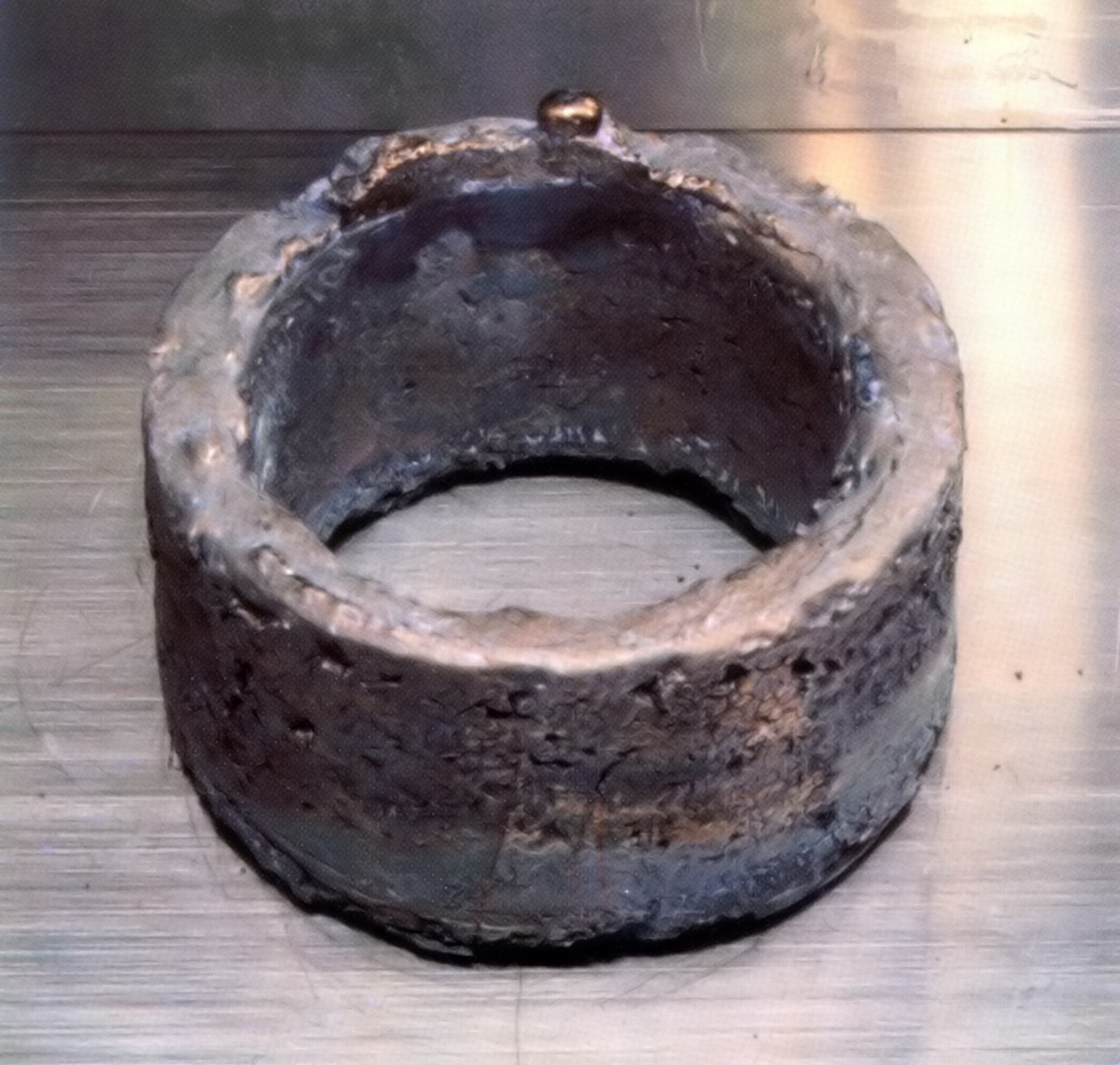
Plutonium is a special kind of metal with the symbol "Pu" on the periodic table. 🌍It was discovered in 1940 by scientists Edwin McMillan and Philip H. Abelson at the University of California, Berkeley. Plutonium is famous for its shiny, silver-gray color and is very dense, meaning it is super heavy! ⚖️ This metal is used in nuclear reactors and atomic bombs. There are only a few tons of plutonium in the whole world. People have to be very careful with plutonium because it can be dangerous if not treated properly!
Explore with ChatDinoKey Points
Plutonium was named after the dwarf planet Pluto, which was discovered just a few years earlier!
Plutonium might not be what you think of when it comes to medicine, but it has some interesting uses!
Plutonium is a unique metal with some special properties.
Plutonium has several isotopes, which are different versions of the same element with varying numbers of neutrons.
Nuclear energy is a powerful way to create electricity, and plutonium plays a big role in this process!
Scientists are always studying plutonium to find new ways to use it safely.
Plutonium can be harmful to the environment if not handled correctly.
Many countries around the world have plutonium, but it is important to control how it is used.
Photos of Plutonium

Monoclinic crystal structure.

Plutonium has six allotropes at ambient pressure: alpha (α), beta (β), gamma (γ), delta (δ), delta prime (δ'), and epsilon (ε).[19]

Uranium-plutonium and thorium-uranium chains

Various oxidation states of plutonium in solution

Twenty micrograms of pure plutonium hydroxide

Glenn T. Seaborg and his team at Berkeley were the first to produce plutonium.

The dwarf planet Pluto, after which plutonium is named

The Hanford B Reactor face under construction—the first plutonium-production reactor
🌌 Discovery And History
Plutonium was named after the dwarf planet Pluto, which was discovered just a few years earlier! 🌌In 1940, McMillan and Abelson created plutonium by bombarding uranium with neutrons in a nuclear reactor. The metal was a big deal because it was the first element to be made by humans! 💡The first ever plutonium sample was just a tiny amount, but it opened the doors for many new scientific discoveries. During World War II, plutonium played a vital role in the making of nuclear weapons. The first bomb using plutonium was tested in New Mexico in 1945.
Go deeper🏥 Plutonium In Medicine
Plutonium might not be what you think of when it comes to medicine, but it has some interesting uses! 🏥Medical researchers use plutonium-238 in special devices that help people who have been harmed in accidents. One example is using it in devices that deliver radiation to patients suffering from cancer. The energy from plutonium-238 helps doctors treat disease while keeping the patient safe! 👩⚕️ It is essential to understand how powerful plutonium is, and only trained professionals should handle it for medical use.
Go deeper🧪 Properties Of Plutonium
Plutonium is a unique metal with some special properties. 🧪It can be solid at room temperature and has a melting point of about 639°C (1182°F). That means it can melt and turn into a liquid if it gets too hot! 🌡️ Plutonium is also radioactive, which means it gives off energy and particles that can be harmful if you are too close. This radiation requires special equipment to measure and protect people. Additionally, plutonium is heavier than iron, making it one of the densest metals on Earth!
Go deeper⚛️ Isotopes And Applications
Plutonium has several isotopes, which are different versions of the same element with varying numbers of neutrons. ⚛️ The most known isotopes are plutonium-239 and plutonium-238. Plutonium-239 is mostly used for making nuclear weapons and fuel for nuclear reactors. 🔌Meanwhile, plutonium-238 is used in space missions! 🚀For example, it powers spacecraft like the Voyager probes, which are exploring space much farther than we can reach. Isn't that cool? This makes plutonium super important for science and energy!
Go deeper⚡️ Plutonium In Nuclear Energy
Nuclear energy is a powerful way to create electricity, and plutonium plays a big role in this process! ⚡️ In nuclear reactors, a chain reaction occurs when plutonium-239 atoms split apart, releasing lots of energy. This energy heats water, turning it into steam, which spins turbines and generates electricity! 💡Countries like the USA and France use plutonium in their nuclear power plants to provide energy to homes and businesses. However, using plutonium for energy needs to be done very carefully to ensure it is safe for everyone.
Go deeper🔬 Future Of Plutonium Research
Scientists are always studying plutonium to find new ways to use it safely. 🔬They want to discover how to recycle plutonium from old nuclear fuel so that it can be used again! ♻️ This is crucial for making energy production safer and more sustainable. Researchers are also exploring how to use plutonium in advanced nuclear reactors that may help us create cleaner energy in the future. 🌱As technology progresses, scientists hope to unlock even more secrets of plutonium and use its powerful energy wisely!
Go deeper🌱 Environmental Impact And Safety
Plutonium can be harmful to the environment if not handled correctly. 🌱It can make soil and water unsafe if it leaks from nuclear plants. That's why scientists and engineers work hard to ensure plutonium is stored and used safely. 🏗️ They use special containers to keep plutonium secure and prevent it from escaping into nature. In 1979, the Three Mile Island accident showed everyone how important it is to be careful with nuclear energy, leading to more safety rules and regulations to protect our planet!
Go deeper🌍 Global Stockpiles And Non-proliferation
Many countries around the world have plutonium, but it is important to control how it is used. 🌍Organizations like the United Nations work to prevent countries from creating too many nuclear weapons. This is called non-proliferation. Countries like the USA, Russia, and France have stockpiles of plutonium, and they must follow strict agreements to keep it safe. 🤝In 2010, countries held a conference to discuss nuclear weapons and the importance of reducing stockpiles to promote peace and safety worldwide.
Go deeper