Oryctodromeus Facts For Kids
Oryctodromeus is a small, burrowing herbivorous dinosaur from the Late Cretaceous, known for its unique digging adaptations.
Select reading age
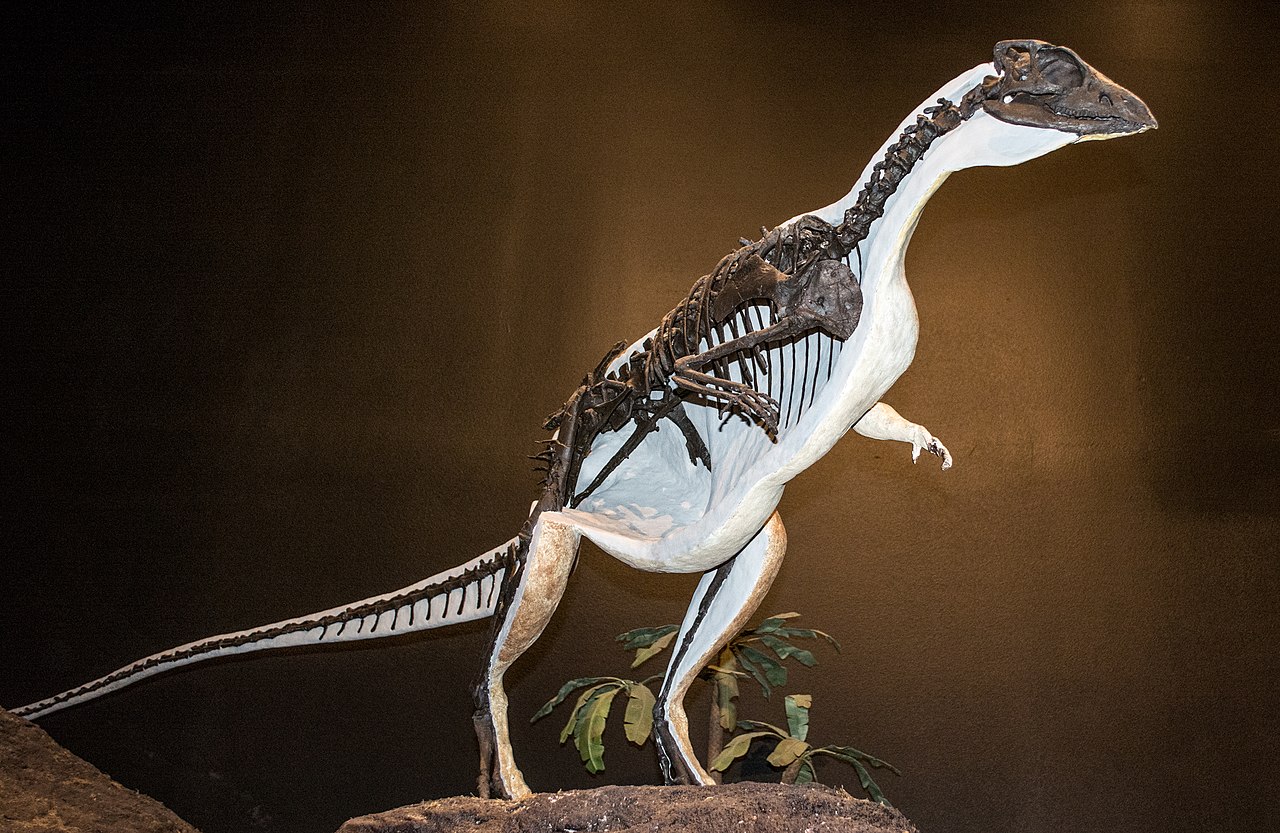
Oryctodromeus Facts For Kids
Videos & Quizzesincluded
About this topic
Oryctodromeus is a cool dinosaur that lived about 95 million years ago during the Late Cretaceous period! 🦖This dinosaur was small, around 2 meters long (about the size of a big dog) and walked on two legs. Oryctodromeus means “digging runner” in Greek, which is super fitting since it loved to dig! This dinosaur was discovered in North America, specifically in Montana. Fossils were found in 2000, and scientists think it was a fast runner and might have used its digging skills to make homes!
Explore with ChatDinoKey Points
Paleoecology is like being a detective of the past!
Oryctodromeus is believed to have lived in groups or herds.
Oryctodromeus lived in what is now North America, mainly in areas that had forests and patches of open land.
Oryctodromeus had some interesting features.
Oryctodromeus was a herbivore, which means it ate plants!
While Oryctodromeus isn’t as famous as T. rex or Triceratops, it has a special place in the story of dinosaurs!
Oryctodromeus is often compared to other small dinosaurs like Velociraptor and Protoceratops.
Fossils of Oryctodromeus were first discovered in 2000 in Montana, USA.
Photos of Oryctodromeus

Restoration of an individual in its burrow


Family outside their burrow
🔎 Paleoecology
Paleoecology is like being a detective of the past! 🔎Oryctodromeus lived in a world with many other dinosaurs, plants, and animals in a rich environment. Its burrows helped create a safe spot for other small creatures too! By studying Oryctodromeus, scientists learn about the climate and plants of the Late Cretaceous. The evidence shows it thrived in a warm climate with lots of greenery.
Go deeper👥 Social Behavior
Oryctodromeus is believed to have lived in groups or herds. 👥Being social helped them protect each other from predators. When one dinosaur spotted a danger, it could warn the others! They might have lived together in their burrows or close to one another. Working as a team meant they could explore and find food more easily, while also keeping their young safe. Could you imagine running and playing with dinosaur buddies?
Go deeper🌳 Habitat And Distribution
Oryctodromeus lived in what is now North America, mainly in areas that had forests and patches of open land. 🌳They dug into the soft earth to create burrows – just like rabbits! This was their home sweet home where they could stay safe from bigger dinosaurs. They loved places with ferns and other plants to munch on for food! Fossil evidence shows these dinosaurs roamed regions that are now part of Montana and other areas in the USA.
Go deeper🏃♂️ Physical Characteristics
Oryctodromeus had some interesting features. It had long legs which helped it run quickly away from predators like larger dinosaurs! 🏃♂️ Its arms were short but strong, great for digging. Oryctodromeus also had a long tail that helped balance while running. Its body was covered with feathers, just like some birds today! The dinosaurs had big eyes for better sight, especially in the morning or late afternoon. This made it easier to spot food or danger!
Go deeper🌿 Diet And Feeding Behavior
Oryctodromeus was a herbivore, which means it ate plants! 🌿It munched on things like ferns, leaves, and shrubs. Its teeth were flat and ideal for grinding up tough plant material. This dinosaur probably spent a lot of time searching for food during the day. It had to be careful, though, since larger dinosaurs were always on the lookout for a tasty snack! Oryctodromeus's burrows also protected some plants they may have planted near their home!
Go deeper📚 Cultural References And Impact
While Oryctodromeus isn’t as famous as T. rex or Triceratops, it has a special place in the story of dinosaurs! 📚In movies and books, we often see large dinosaurs, but now we know that some were small and clever! Oryctodromeus encourages us to learn more about less-known dinosaurs and how they lived. This dinosaur inspires kids to imagine a world full of adventures with dinosaurs, no matter their size!
Go deeper🦕 Comparison With Other Dinosaurs
Oryctodromeus is often compared to other small dinosaurs like Velociraptor and Protoceratops. 🦕Unlike Velociraptor, which had sharp claws and hunted in packs, Oryctodromeus was a peaceful plant-eater. Protoceratops had a frill on its head and was much larger! Oryctodromeus’s digging lifestyle is unique among its dinosaur friends. Many dinosaurs walked around the surface, while this little guy liked to burrow underground!
Go deeper🏔️ Fossil Discovery And Significance
Fossils of Oryctodromeus were first discovered in 2000 in Montana, USA. 🏔️ These fossils included bones and footprints, helping scientists learn about how it lived! Finding Oryctodromeus was exciting because it was the first dinosaur known to dig burrows. This changed how we understand dinosaur behavior, showing that some dinosaurs could be social and create homes underground. The fossils help experts learn about life millions of years ago!
Go deeper