Minnow Facts For Kids
Minnows are small freshwater fish known for their schooling behavior and importance in aquatic ecosystems.

Do more with AI
Introduction
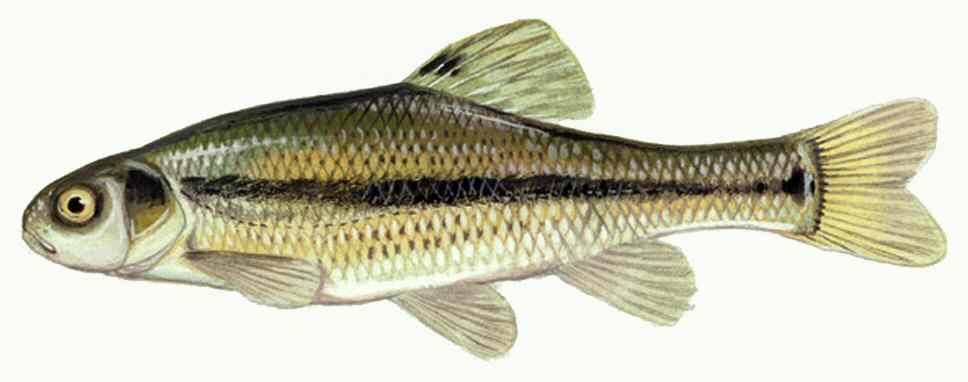
Minnows are small fish that belong to the family Cyprinidae, which means they are relatives of goldfish and carp! 🐟They can be found in freshwater environments all around the world, except in Antarctica. Minnows come in many shapes, sizes, and colors, but they are usually less than 4 inches long. They are known for their shiny scales and lively swimming. Some common types of minnows are the fathead minnow and the common minnow, which live in rivers, ponds, and lakes. Minnows are important for many animals and ecosystems! 🌊
Images of Minnow

Rick Crawford visiting Anderson Farms, the world's largest minnow farm, in Lonoke, Arkansas.
Fun Facts
Here are some fun facts about minnows! 🎉Did you know that some minnows can change color? This helps them camouflage and avoid predators. Additionally, the fathead minnow can live in really cold waters, even freezing temperatures! ❄️ Another fun fact is that minnows are often used in laboratories to study pollution and the health of aquatic environments. Lastly, some species of minnows can reproduce multiple times a year, leading to many baby fish swimming around! 🐋
Species Diversity
Minnows are part of a large family with over 200 different species! Some of the most well-known species include the fathead minnow (Pimephales promelas), which can be found in North America, and the European minnow (Phoxinus phoxinus) found in Europe and Asia. 🗺️ These minnows come in various colors like silver, gold, and green, which help them blend into their surroundings. Some minnows can even change color depending on the environment! Each species of minnow has unique traits, making them an interesting group of fish to study. 🌈
Cultural Significance
Minnows have fascinated people for centuries! In many cultures, people use minnows as bait when fishing for larger fish. 🎣In some areas, children enjoy catching them in small nets for fun or to learn about fish. Minnows also appear in stories and folklore, representing teamwork as they swim together in schools. 🌟In science classes, students often study minnows because they are easy to keep and help us understand aquatic ecosystems. Their small size and lively nature make them a favorite among young explorers and nature fans!
Ecological Importance
Minnows play an important role in their ecosystems! 🌍As they eat algae and insects, they help keep the water clean and balanced. Many larger fish, birds, and mammals rely on minnows as a food source. 🦉By providing food for these predators, minnows help maintain the food chain, which keeps the environment healthy. Additionally, the eggs and fry of minnows contribute to the population of fish in rivers and lakes, ensuring that aquatic life continues to thrive. 🐠
Diet And Feeding Habits
Minnows eat a variety of foods! Their diet mainly consists of tiny plants called algae, small insects, and other tiny aquatic creatures. 🌿They use their small mouths to nibble on food as they swim around in their habitat. Some minnows are known to be picky eaters and prefer certain types of food, while others will munch on whatever they can find! 🦟Because they are small, minnows help keep aquatic ecosystems healthy by eating algae that can grow out of control.
Habitat And Distribution
Minnows prefer to live in freshwater habitats like rivers, lakes, streams, and ponds. 🏞️ They like areas with lots of plants, rocks, and clean water because these places offer safety and food. Minnows can be found almost everywhere in the world, especially in North America and Europe. They swim in schools, meaning many minnows gather together. This helps them stay safe from predators, like larger fish, birds, and even raccoons! 🐦
Threats And Conservation
Unfortunately, minnows face several threats, including pollution, habitat destruction, and overfishing. 🌊When water gets dirty or when rivers and lakes are filled with trash, it’s hard for minnows to survive. Conservation programs help protect their habitats by cleaning waterways and creating safe spaces for them to live. 🌱People can help by reducing plastic waste and supporting local conservation efforts to keep water clean so all minnows and fish can live safely!
Reproduction And Lifecycle
Minnows have an exciting lifecycle! When it's time to mate, male minnows chase females, showing off their bright colors. 🏃♂️ The females lay hundreds or even thousands of eggs in shallow areas filled with plants. After about 3 to 7 days, the eggs hatch into tiny baby minnows called fry. 🐣Baby minnows are super small and must eat tiny food like plankton to grow. As they mature, they eventually become adults and can live for 2 to 3 years, depending on the species and conditions.
Minnow Quiz
Learn more about Minnow
