Mercantilism Facts For Kids
Mercantilism is an economic theory which advocates for government regulatory policies to control trade and accumulate wealth, particularly through a positive balance of trade.
Select reading age

Mercantilism Facts For Kids
Videos & Quizzesincluded
About this topic
Mercantilism is a way countries used to manage their money and trade from the 16th to the 18th century. 🌍Countries believed that wealth came from having more gold and silver, so they focused on selling more than they bought. This meant making things in their own homes and selling them to other countries. For example, England wanted to sell wool and textiles to places like France and Spain. By keeping their treasures safe, countries thought they could become stronger and richer. This system helped shape the world we live in today! 💰
Explore with ChatDinoKey Points
Mercantilism started around the early 1500s during the Age of Exploration.
Mercantilism had a big effect on colonialism.
While mercantilism helped countries grow, not everyone thought it was a fair system.
Several important people helped spread mercantilism!
There are a few main ideas behind mercantilism that helped countries become richer.
Though mercantilism isn't used today, its ideas still influence modern trade policies.
To support mercantilism, countries created special rules for trading.
Mercantilism played a significant role in the development of economic theories!
Photos of Mercantilism

Merchants in Venice

French finance minister and mercantilist Jean-Baptiste Colbert served for over 20 years.

The Anglo-Dutch Wars were fought between the English and the Dutch for control over the seas and trade routes.
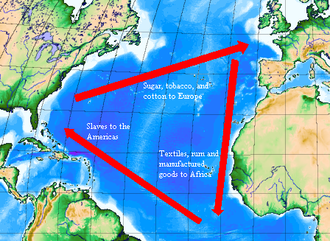
Mercantilism helped create trade patterns such as the triangular trade in the North Atlantic, in which raw materials were imported to the mother country and then processed and redistributed to other colonies.

Much of Adam Smith's The Wealth of Nations is an attack on mercantilism.
🧭 Historical Background
Mercantilism started around the early 1500s during the Age of Exploration. 🧭As explorers like Christopher Columbus found new lands, countries rushed to claim these places to gather more resources like gold, silver, and spices. The Spanish and Portuguese were among the first to use mercantilism, especially in the Americas! 🌎This system meant a country would set up colonies to grow crops, mine gold, or produce goods. By the 1700s, countries like England, France, and the Netherlands followed these ideas. Mercantilism helped shape global trade for many years. 📦
Go deeper🌱 Impact On Colonialism
Mercantilism had a big effect on colonialism. 🌱Countries wanted colonies to gather natural resources and provide markets for their goods. For example, England established colonies in North America, like Virginia and Massachusetts, to grow tobacco and send it back home. 🌳These colonies were essential for making money! European nations competed to collect the most colonies. This often led to conflicts and wars as countries fought for control over land and resources. 🌊So, mercantilism not only shaped trade but also formed the world map with many countries seeking new treasures! 🗺️
Go deeper😕 Critiques Of Mercantilism
While mercantilism helped countries grow, not everyone thought it was a fair system. 😕Critics argued that mercantilism limited trade by making it hard for other countries to sell their goods. 🌍They also believed it focused too much on collecting riches rather than encouraging growth and creativity. Some theorists, like Adam Smith in the 18th century, believed free trade was better. He thought countries should buy and sell goods as they liked to help everyone prosper. 💡These critiques led to new ideas about economics that changed how trade worked!
Go deeper📚 Major Figures And Theorists
Several important people helped spread mercantilism! 📚One was Jean-Baptiste Colbert, the finance minister of France in the 1600s. He thought that France should control its industries and colonies to grow wealthier! 🏰Another figure was Thomas Mun, an English merchant who wrote about trade in the 17th century. He believed the key to a strong nation was exporting more goods than importing. ⚓These thinkers influenced countries on how to manage trade and wealth, making them major figures in mercantilism's history! 🌟
Go deeper💵 Key Principles Of Mercantilism
There are a few main ideas behind mercantilism that helped countries become richer. First, making more goods than you buy leads to profit! 💵Second, countries should collect gold and silver because they were seen as the best form of wealth. Third, government should help businesses by giving them money or taxes to boost trade. 🏛️ Finally, creating colonies is important so countries can get resources without buying from others. In short, countries believed that trade is like a giant game, and winning means having more money! 🎮
Go deeper🌎 Mercantilism In Modern Context
Though mercantilism isn't used today, its ideas still influence modern trade policies. 🌎Countries, like the United States, have trade agreements to promote selling products to one another without extra taxes. 🚀In some ways, nations still believe having a trade surplus (more exports than imports) helps their economy. However, many also understand the importance of working together and sharing resources. 🌈Knowing how mercantilism worked helps us see how trade has evolved over time and how countries are connected today! 🌐
Go deeper📏 Economic Policies And Practices
To support mercantilism, countries created special rules for trading. 📏For example, they wanted their own ships to carry goods, which helped create jobs for sailors! ⚓They also used tariffs, which are extra taxes on goods from other countries, encouraging people to buy local products. 🌾Countries built strong armies and navies to protect their trade routes and resources. Some even required colonies to sell goods only to the mother country! 🚢These economic policies aimed to make nations wealthier and more powerful in the global market. 💪
Go deeper📊 Legacy And Influence On Economic Theory
Mercantilism played a significant role in the development of economic theories! 📊The idea that trade can lead to wealth influenced later economists, like Karl Marx and John Maynard Keynes. They built on ideas from mercantilism to create new views about how money and trade should work. 💥Even though mercantilism was replaced by modern economic systems, its focus on trade and national wealth still matters today. 🌟Understanding this legacy helps us learn why countries interact the way they do in the global market and how economic ideas shape our world! 🏆
Go deeper