Lz 129 Hindenburg Facts For Kids
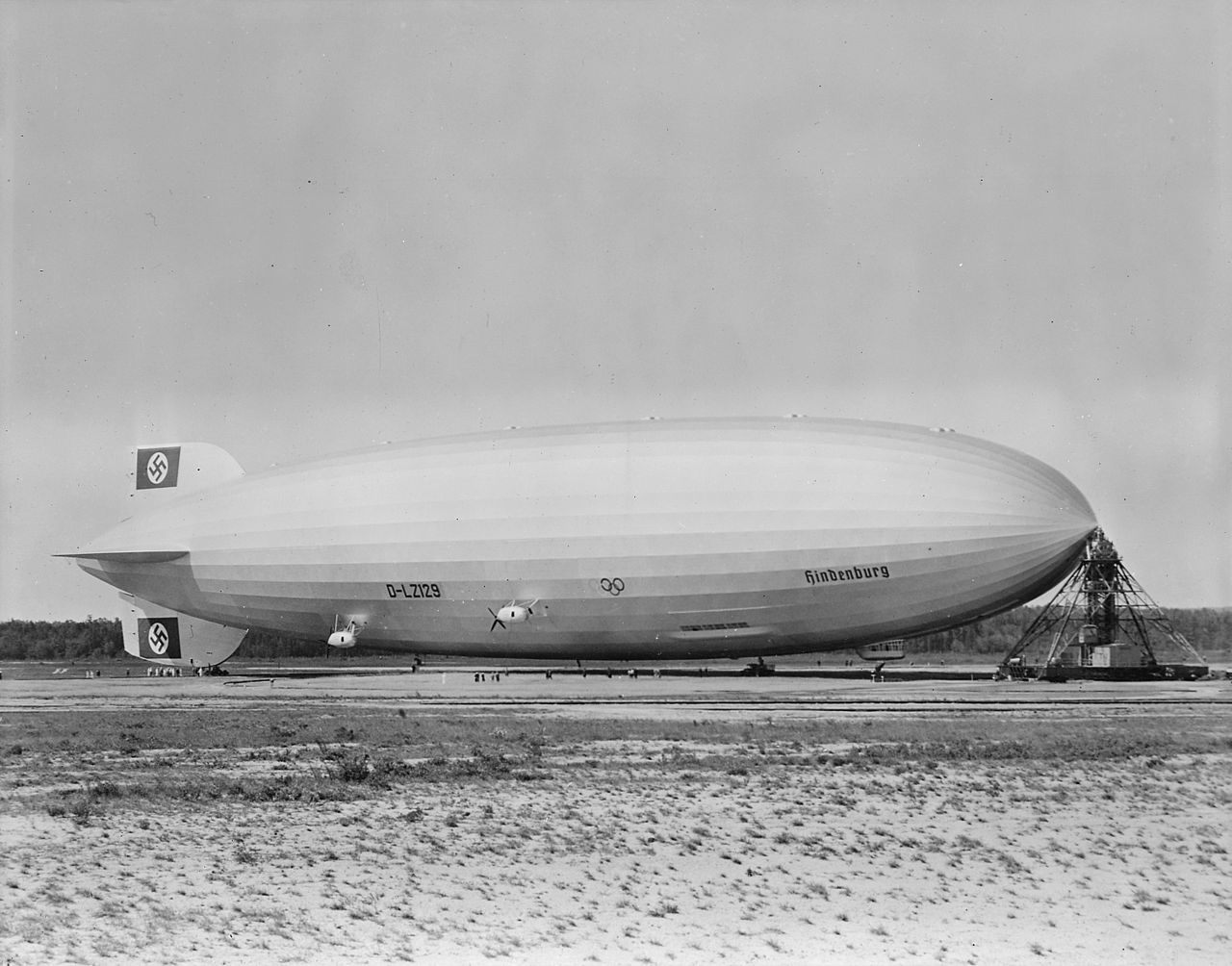
The LZ 129 Hindenburg was a massive German airship known for its elegance and tragic end, marking an important chapter in aviation history.
Select reading age
Lz 129 Hindenburg Facts For Kids
Videos & Quizzesincluded
About this topic
The LZ 129 Hindenburg was a giant airship from Germany that flew in the 1930s! ✈️ It was the largest airship ever made, measuring over 800 feet long—longer than a football field! The Hindenburg could carry 72 passengers and crew. It traveled across the Atlantic Ocean, connecting Germany to places like America. 🌍Though it was amazing, it became famous for a tragic event that happened in 1937. People still remember the Hindenburg today when they think about air travel. It's exciting to learn about this remarkable flying machine!
Explore with ChatDinoKey Points
The Hindenburg had many amazing voyages!
The Hindenburg made many flights carrying passengers across the Atlantic Ocean.
The Hindenburg disaster had a huge impact on air travel!
The Hindenburg holds a special place in history and pop culture!
Even though the Hindenburg is no longer around, its legacy lives on!
Tragically, the Hindenburg's last flight was on May 6, 1937.
The Hindenburg was designed by the Zeppelin Company, founded by Ferdinand von Zeppelin.
The Hindenburg was a technological marvel of its time!
The Hindenburg was built in Germany at a special factory in Friedrichshafen.
Compared to other airships, the Hindenburg was the largest!
Photos of Lz 129 Hindenburg

Hindenburg under construction


Lounge, with the world map painted on the wall

Hindenburg on its first flight on March 4, 1936. The name of the airship was not yet painted on the hull.

Flag of the Deutsche Zeppelin-Reederei GmbH

Propaganda leaflet dropped from Hindenburg during the Deutschlandfahrt, quoting Adolf Hitler's March 7 Rhineland speech in the Reichstag

March 29, 1936 plebiscite ballot
 Image by Centpacrr at English Wikipedia, licensed under Creative Commons Attribution-Share Alike 3.0
Zeppelin passenger lapel pins

The Hindenburg after its first flight to Rio in April 1936. There is a temporary repair of the lower fin after the accident at Die Deutschlandfahrt.
🛩️ Notable Voyages
The Hindenburg had many amazing voyages! 🛩️ One of its most famous trips was from Germany to Lakehurst, New Jersey, in 1936, where it welcomed 72 passengers aboard. 🌎It made 63 flights in total, crossing the Atlantic 17 times in 1936 alone! Passengers loved the experience because they could relax and sail high above the clouds! In 1937, it set a record by traveling from Germany to New Jersey in just over 2 days! But sadly, its last trip ended in disaster, leaving people curious about this beautiful ship.
Go deeper🌊 Flight Operations
The Hindenburg made many flights carrying passengers across the Atlantic Ocean. 🌊✈️ Each trip could last about 2-3 days. Inside, it was like a fancy hotel in the sky! Passengers could enjoy delicious meals, relax in lounges, and even look out of large windows at the clouds. ☁️ However, pilots had to be careful with the hydrogen gas, as it could explode if ignited. A crew of 61 people operated the airship, making sure everything was safe and fun. Many people loved traveling on the Hindenburg!
Go deeper🚫 Impact On Air Travel
The Hindenburg disaster had a huge impact on air travel! 🚫✈️ After the tragedy, people became very scared of flying in airships. Many airlines started using airplanes instead because they were safer. 🛬The Hindenburg taught everyone how important safety is in flying. Even though airships were cool and luxurious, they slowly disappeared. Since then, airplanes have become the main way to travel across oceans. Thanks to lessons learned from the Hindenburg, flying today is much safer!
Go deeper🌟 Cultural Significance
The Hindenburg holds a special place in history and pop culture! 🌟Many movies, documentaries, and books have been made about it. The famous phrase “Oh, the humanity!” was shouted by a reporter during the disaster, and people still remember it today! 🎤It also inspired stories about travel, adventure, and technology. Many artists and musicians have created works based on this majestic airship. The Hindenburg symbolizes both the wonder and risks of early air travel, reminding us of how far we’ve come since then!
Go deeper🏛️ Legacy And Preservation
Even though the Hindenburg is no longer around, its legacy lives on! 🏛️ People study the airship to learn more about history and aviation. Some artifacts, like pieces of fabric and photos, are preserved in museums, including the Intrepid Sea, Air & Space Museum in New York. 🖼️ The Hindenburg is considered a reminder of the exciting adventure of flight while reminding us to prioritize safety. Its story helps us understand the progress we’ve made in aviation technology today!
Go deeper😢 The Hindenburg Disaster
Tragically, the Hindenburg's last flight was on May 6, 1937. 😢When it arrived in Lakehurst, New Jersey, it suddenly caught fire and crashed! People were shocked as they witnessed the disaster. The fire spread quickly because of the hydrogen gas, and the airship was destroyed in moments. Out of 97 people aboard, 36 lost their lives. 🔥This tragic event changed people’s views on air travel and raised concerns about the safety of airships that were once so popular.
Go deeper🤵 Design And Specifications
The Hindenburg was designed by the Zeppelin Company, founded by Ferdinand von Zeppelin. 🤵It had a unique, cigar-like shape that helped it move through the air smoothly. The airship was made of strong materials like duralumin for its frame and coated in fabric for the outer cover. 🏗️ Inside, it was filled with hydrogen, a lightweight gas that helped it float. The Hindenburg was 804 feet long and 79 feet wide, making it the biggest airship ever! It also had five engines that could reach speeds of 84 miles per hour! 🏃♂️💨
Go deeper⚙️ Technological Innovations
The Hindenburg was a technological marvel of its time! ⚙️ It introduced several innovations in air travel. Its streamlined shape reduced wind resistance, allowing it to fly smoothly. The airship used a unique control system that helped pilots steer easily. 📡It also had a built-in cabin pressure system to make passengers comfortable. And, it had a lighter-than-air design thanks to hydrogen gas! The Hindenburg paved the way for future airship designs and inspired engineers to think of even bigger flying machines! 🚀
Go deeper🏭 Construction And Launching
The Hindenburg was built in Germany at a special factory in Friedrichshafen. 🏭Construction started in 1931 and took over two years to complete! Once finished, it was launched on March 4, 1936. The airship was filled with hydrogen, which is super light. 🎈People watched in awe as the Hindenburg floated into the sky during its public launch! It took off on its first flight to Frankfurt, Germany. The Hindenburg quickly became popular for its luxury and speed, making it a cool way to travel.
Go deeper🥇 Comparisons With Other Airships
Compared to other airships, the Hindenburg was the largest! 🥇Other famous airships include the USS Akron and the Graf Zeppelin. The Graf Zeppelin was also made by the Zeppelin Company and completed many trips around the world! 🌍However, the Hindenburg stood out for its speed, luxury, and size. While other airships used helium, the Hindenburg filled with hydrogen made it unique. 🚀Each airship has its own story, but the Hindenburg remains the most famous due to its elegance and the historic events surrounding it.
Go deeper