All Articles

Kabul River

Kabul River Facts For Kids

The Kabul River, known as the classical Cophen, is a 700-kilometer-long river in Afghanistan that begins in the Hindu Kush mountains and flows through the city of Kabul before merging with the Indus River in Pakistan.

🎨 Reading age for 6-8
Background blob
Kabul River
Kabul River
Facts for Kids!
Image by philmofresh from Haverhil, MA, USA, licensed under Creative Commons Attribution 2.0

Do more with AI

Introduction

The Kabul River is a long river in Afghanistan, stretching 700 kilometers! 🏞️ It starts in the beautiful Sanglakh Range of the Hindu Kush mountains. The river flows through several provinces and finally joins the Indus River in Pakistan. The name "Kabul" comes from the city of Kabul, where the river runs close by. It has been important for many people for thousands of years, like a big, flowing highway for water! 🌊So, the Kabul River is not just a river; it’s a lifeline for the cities and towns it touches!

Images of Kabul River

One of five bridges that crossed Kabul River during the Second Anglo-Afghan War (1879-1880) era. Soldiers are pictured atop the bridge while people walk along the road in the distance and in the right foreground people sit or squat on the bridge while soldiers ride behind them. Bala Hissar (High Fort) is in the background just visible through the heat haze and trees. It was the locus of power in Kabul for many centuries and the site of fierce fighting during the war. It was partly destroyed between October and December 1879 when Sir Frederick Roberts occupied the city at the head of the Kabul Field Force

One of five bridges that crossed Kabul River during the Second Anglo-Afghan War (1879-1880) era. Soldiers are pictured atop the bridge while people walk along the road in the distance and in the right foreground people sit or squat on the bridge while soldiers ride behind them. Bala Hissar (High Fort) is in the background just visible through the heat haze and trees. It was the locus of power in Kabul for many centuries and the site of fierce fighting during the war. It was partly destroyed between October and December 1879 when Sir Frederick Roberts occupied the city at the head of the Kabul Field Force

Photos of Kabul RiverImage by wilford peloquin, licensed under Creative Commons Attribution 2.0
Photos of Kabul RiverImage by ВАДИМ ЧУПРИНА, licensed under Creative Commons Attribution-Share Alike 4.0
Photos of Kabul RiverImage by Masoud Akbari, licensed under Creative Commons Attribution-Share Alike 3.0
Photos of Kabul RiverImage by Casimiri at English Wikipedia, licensed under Creative Commons Attribution-Share Alike 3.0
Photos of Kabul RiverImage by Todd Huffman from Phoenix, AZ, licensed under Creative Commons Attribution 2.0
Photos of Kabul RiverImage by Sven Dirks, Wien, licensed under Creative Commons Attribution-Share Alike 4.0
Kabul River in Behsood Bridge Area, Jalalabad - 30th July, 2009. By Qudratullah KhanImage by Qudratkhan, licensed under Creative Commons Attribution 3.0

Kabul River in Behsood Bridge Area, Jalalabad - 30th July, 2009. By Qudratullah Khan
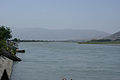
Kabul River in Behsood Bridge Area, Jalalabad - 30th July, 2009. By Qudratullah KhanImage by Qudratkhan, licensed under Creative Commons Attribution 3.0

Kabul River in Behsood Bridge Area, Jalalabad - 30th July, 2009. By Qudratullah Khan

Photos of Kabul RiverImage by Sven Dirks, Wien, licensed under Creative Commons Attribution-Share Alike 4.0
Kabul River in Behsood Bridge Area, Jalalabad - 30th July, 2009. By Qudratullah KhanImage by Qudratkhan, licensed under Creative Commons Attribution 3.0

Kabul River in Behsood Bridge Area, Jalalabad - 30th July, 2009. By Qudratullah Khan

Kabul River in Behsood Bridge Area, Jalalabad - 30th July, 2009. By Qudratullah KhanImage by Qudratkhan, licensed under Creative Commons Attribution 3.0

Kabul River in Behsood Bridge Area, Jalalabad - 30th July, 2009. By Qudratullah Khan

One of five bridges that crossed Kabul River during the Second Anglo-Afghan War (1879-1880) era. Soldiers are pictured atop the bridge while people walk along the road in the distance and in the right foreground people sit or squat on the bridge while soldiers ride behind them. Bala Hissar (High Fort) is in the background just visible through the heat haze and trees. It was the locus of power in Kabul for many centuries and the site of fierce fighting during the war. It was partly destroyed between October and December 1879 when Sir Frederick Roberts occupied the city at the head of the Kabul Field Force

One of five bridges that crossed Kabul River during the Second Anglo-Afghan War (1879-1880) era. Soldiers are pictured atop the bridge while people walk along the road in the distance and in the right foreground people sit or squat on the bridge while soldiers ride behind them. Bala Hissar (High Fort) is in the background just visible through the heat haze and trees. It was the locus of power in Kabul for many centuries and the site of fierce fighting during the war. It was partly destroyed between October and December 1879 when Sir Frederick Roberts occupied the city at the head of the Kabul Field Force

Photos of Kabul RiverImage by wilford peloquin, licensed under Creative Commons Attribution 2.0
Photos of Kabul RiverImage by ВАДИМ ЧУПРИНА, licensed under Creative Commons Attribution-Share Alike 4.0
Photos of Kabul RiverImage by Masoud Akbari, licensed under Creative Commons Attribution-Share Alike 3.0
Photos of Kabul RiverImage by Casimiri at English Wikipedia, licensed under Creative Commons Attribution-Share Alike 3.0
Photos of Kabul RiverImage by Todd Huffman from Phoenix, AZ, licensed under Creative Commons Attribution 2.0

Economic Impact

The Kabul River helps the local economy in many ways! 💰Farmers use the river’s water to irrigate their fields, growing crops like wheat and fruits. People also fish for food and income. 🐠Additionally, the river attracts tourists who come to see its beauty and enjoy activities like boating and fishing. The water from the river is crucial for drinking and daily life in the cities and towns nearby. By supporting agriculture and tourism, the Kabul River helps people earn their living!

Cultural Importance

The Kabul River is a very special place for the people living nearby. 🎉It is a part of their stories, songs, and traditions. Many families have lived by the river for generations, fishing and farming in the rich land around it. Festivals and markets often take place near the river, where people gather to celebrate and sell food and handmade crafts. The river symbolizes life and community, uniting various cultures along its path in Afghanistan and Pakistan. 🏞️🎶

Environmental Issues

Like many rivers, the Kabul River faces some environmental challenges. 🌍Pollution from cities and factories can harm the water quality, making it unsafe for people and wildlife. Also, deforestation around the river can lead to erosion and loss of habitat. 🏞️ When too much dirt washes into the river, it can affect fish and other creatures living there. Local communities are working together to protect the river and promote clean practices to keep the environment healthy for everyone! 🌳💧

Recreation And Tourism

The Kabul River is a fun place for recreation! 🚣‍♂️ Many people enjoy activities such as fishing, kayaking, and taking family picnics along its banks. The beautiful scenery with mountains and trees makes it a perfect spot for relaxation. Tourists from different places visit the river, eager to experience its natural beauty and the local culture. There are also nice areas by the river where families can enjoy swimming and playing. The Kabul River provides lots of opportunities for fun and adventure! 🏖️

Geography And Hydrology

The Kabul River flows through the Maidan Wardak Province in Afghanistan. 🇦🇫 It starts from the high mountains, where the air is cool and the snow melts, creating water for the river. The river runs through valleys and plains, then moves towards the city of Kabul. On its way, it travels about 700 kilometers! It finally meets the Indus River in Pakistan. The river also has lots of small streams and tributaries, which help to bring even more water, making it very lively and full of energy! 💦

Historical Significance

The Kabul River has been important throughout history! 🏛️ It was known as Cophen in ancient times and was a key route for traders. Merchants would travel alongside the river to exchange goods like silk and spices. Many important events, like battles and kingdoms, took place near its banks. Famous explorers, like Alexander the Great, traveled near this river. The river also helped people settle and develop cities, making it a crucial part of Kabul's history. 📜

Wildlife And Ecosystems

The Kabul River is home to various plants and animals! 🦆In and around the river, you can find waterfowl like ducks and geese, as well as fish swimming in the waters. The riverbanks are lined with trees and bushes, which provide shelters for many small animals. The ecosystem along the river is very important because it supports life, like insects and birds. Some local endangered species need this habitat to survive, making the river an essential part of nature! 🌳🐟

Hydroelectric Power Potential

The Kabul River has lots of potential for generating hydroelectric power! ⚡This means using the flowing water to create electricity for homes and schools. Several projects are being planned to build dams and power stations along the river. These could provide clean energy to help light up the cities and improve the quality of life. 🌞By using the river, the communities can become more self-sufficient and protect the environment, making it a win-win situation for everyone!

Comparative Rivers In The Region

The Kabul River is one of many important rivers in its region! 🌏Other notable rivers include the Indus River, which is larger and flows through Pakistan, and the Helmand River, which also goes through Afghanistan. Each river plays a specific role in its country, influencing agriculture, culture, and communities. While the Kabul River is known for its historical significance and beauty, rivers like the Indus are vital for trade and transportation. 🌊Understanding these rivers helps us appreciate their importance to the people who live near them!

Kabul River Quiz

Q1
Question 1 of 10

Learn more about Kabul River

Ready to create?

Drop Files here
Make

To create a safe space for kid creators worldwide!

Create

Vibe Coding

Kids GPT

All Tools

Kibu

Resources

Worksheets

SafeTube

Blog

FAQ

Account

Pricing

Log-in

Sign-up

Data Deletion

Company

About

Community Guidelines

Privacy Policy

Terms of Service

2025, URSOR LIMITED. All rights reserved. DIY is in no way affiliated with Minecraft™, Mojang, Microsoft, Roblox™ or YouTube. LEGO® is a trademark of the LEGO® Group which does not sponsor, endorse or authorize this website or event. Made with love in San Francisco.