Alexander The Great Facts For Kids
Alexander the Great was a military leader and king of Macedonia who created one of the largest empires in the ancient world and is celebrated for his tactical brilliance and ambitious conquests.
Select reading age
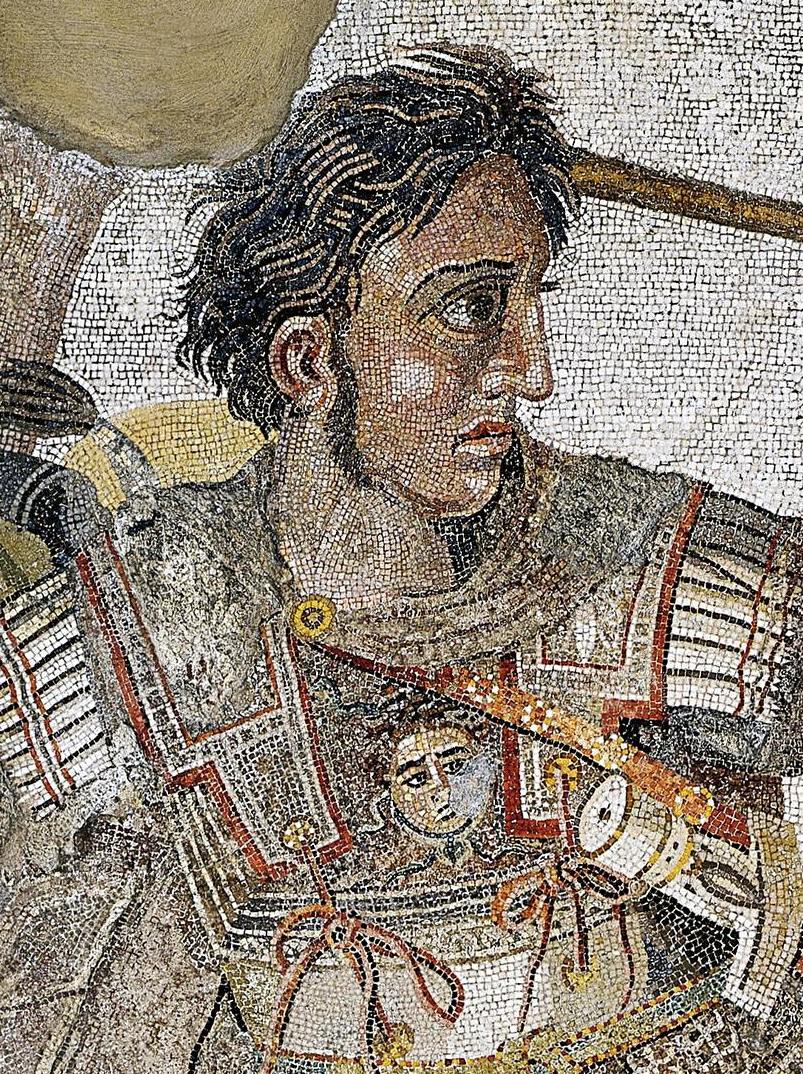
Alexander The Great Facts For Kids
Videos & Quizzesincluded
About this topic
Alexander the Great was a famous king and warrior born in 356 BC in Pella, which is now in Greece 🇬🇷. He became king when he was just 20 years old after his father, King Philip II, was killed. Alexander is known for creating one of the largest empires in history that stretched from Greece to Egypt and all the way to India! 🌏He was a brave and clever leader who never lost a battle and is remembered for his incredible strategies and adventures. His life teaches us about courage, leadership, and the importance of education. 📚
Explore with ChatDinoQuick Facts
Key Points
Alexander died in 323 BC in the city of Babylon, at just 32 years old.
Alexander’s empire was massive!
Alexander’s success came not just from his military strength but also his smart political strategies!
Alexander the Great was an extraordinary military leader with more than 20 victories!
Alexander was educated by the famous philosopher Aristotle, who taught him about many subjects like science, literature, and philosophy.
Alexander the Great is remembered not only for his military skills but also for spreading Greek culture!
Historians have different views on Alexander the Great, looking at his life and achievements from many angles.
Alexander the Great has inspired many leaders throughout history!
Photos of Alexander The Great

This is a horizontal serekh for use with hieroglyphic cartouches

Alexander The Great — photo 2

Archaeological site of Pella, Greece, Alexander's birthplace

Roman medallion depicting Olympias, Alexander's mother

Philip II of Macedon, Alexander's father

Battle plan from the Battle of Chaeronea

Pausanias assassinates Philip II, Alexander's father, during his procession into the theatre

The Macedonian phalanx at the "Battle of the Carts" against the Thracians in 335 BC

Map of Alexander's empire and his route
🕊️ Death And Theories
Alexander died in 323 BC in the city of Babylon, at just 32 years old. 🕊️ His sudden death has sparked many theories! Some say he died of natural causes, like a fever or malaria, while others believe he may have been poisoned. ⚗️ Though his empire was vast, there was no clear plan for who would take over after he passed. This led to struggles for power among his generals, who wanted to control parts of the empire. Despite his short life, his impact on history remains significant!
Go deeper🌍 Conquests And Empire
Alexander’s empire was massive! 🌍He conquered territories in Greece, Egypt, Persia (now Iran), and parts of India. He founded many cities along the way, including Alexandria in Egypt, which became an important center for learning and culture. 🏛️ His adventures took him over 20,000 miles, and he was known for never losing a single battle. Alexander’s empire spread different cultures, languages, and ideas, which helped shape the world we know today. His remarkable achievements made him a hero in many stories! 📖
Go deeper💼 Political Strategies
Alexander’s success came not just from his military strength but also his smart political strategies! 💼He often included conquered people in his army and formed alliances to strengthen his rule. Alexander was known to respect local customs and religions of the places he conquered, winning the loyalty of people forming friendships instead of just fighting. He also encouraged marriages between his soldiers and local women to blend cultures. 🤝This brought unity and peace, helping to hold his vast empire together through cooperation!
Go deeper🎖️ Military Achievements
Alexander the Great was an extraordinary military leader with more than 20 victories! 🎖️ His first big battle was against the Persians at the Battle of Granicus in 334 BC. Here, he demonstrated his remarkable tactical skills. Alexander also won the famous Battle of Gaugamela in 331 BC, where he defeated a much larger Persian army led by King Darius III! 🏇His soldiers admired him for his courage and brilliance, and he became known as "the one who conquers." These victories helped him expand his empire and gain control over vast territories.
Go deeper📖 Early Life And Education
Alexander was educated by the famous philosopher Aristotle, who taught him about many subjects like science, literature, and philosophy. 📖🤔 Alexander loved learning and even brought books with him when he went to battle! He was also encouraged to become a great leader from a young age. His mother, Queen Olympias, believed in him and made sure he learned how to be a good person. 🚀At age 13, Alexander showed his bravery when he tamed a wild horse named Bucephalus, which became his trusted companion during battles. 🐴
Go deeper🌟 Cultural Impact And Legacy
Alexander the Great is remembered not only for his military skills but also for spreading Greek culture! 🌟His conquests allowed Greek art, language, and customs to mix with Eastern cultures. This blend of cultures is called Hellenistic culture. The libraries he established, like the famous Library of Alexandria, helped preserve knowledge for future generations. 📚Many rulers even looked up to Alexander’s methods and adopted his ways in their own kingdoms. Today, people study his life to learn about leadership, bravery, and the importance of learning and sharing cultures! 🌈
Go deeper📜 Historical Interpretations
Historians have different views on Alexander the Great, looking at his life and achievements from many angles. 📜Some praise him for his incredible military skills and the spread of culture, while others criticize him for his ruthless conquests. Some say he was a hero, while others view his methods as harsh and violent. 🗡️ What’s important is that his story helps us learn about the complexity of history. Understanding both sides helps us appreciate how people and events shape the world we live in today! 🏛️
Go deeper🦸♂️ Influence On Future Leaders
Alexander the Great has inspired many leaders throughout history! 🦸♂️ Great leaders like Julius Caesar and Napoleon Bonaparte studied his tactics and admired his ability to conquer vast lands. Military schools around the world still teach his strategies today! 🌟Many believe it was his combination of courage, intelligence, and respect for different cultures that made him a successful leader. People today also look to his life as an example of how to lead with bravery and smart thinking in challenging situations! 🌍
Go deeper