An island or isle is a piece of land, distinct from a continent, completely surrounded by water.
Set reading age
View for Kids
Easy to read and understand
View for Students
Clear, detailed explanations
View for Scholars
Deep dives and big ideas
An island is a special piece of land surrounded by water. 🌊Islands can be found in oceans, seas, rivers, and lakes! The biggest island in the world is Greenland, which is about 2,166,086 square kilometers. Islands are different from continents because they are much smaller and do not connect to larger land masses. Some islands, like Hawaii, are made from volcanoes. 🌋Isn’t that cool? The name "island" comes from Old English, meaning "watery land." Next time you see an island on a map, remember it's a unique place full of wonder! 🗺️
There are many types of islands! Some common types include continental islands, which are connected to continents but are surrounded by water, like Great Britain. Another type is oceanic islands that rise from the ocean floor, like the Maldives. 🌴Barrier islands protect coastlines from waves and storms. 🌊Atolls are ring-shaped islands formed by coral reefs. 🐠Each type of island has its own unique features based on how they formed. Did you know that palm trees grow worldwide on different islands? They sure add character! 🌴
Island ecosystems are unique and full of wonderful plants and animals! 🌺🦜 Because islands are isolated, they can have species that are not found anywhere else. For example, the Galápagos Islands are famous for their diverse wildlife, including giant tortoises and blue-footed boobies! 🐢🦩 The environment, like rainforests or coral reefs, can help determine what types of plants and animals live there. 🌳Many island creatures have adapted to their surroundings in special ways. Protecting island ecosystems is very important for conservation! 🌿
Islands have played important roles throughout history! For example, the island of Crete was home to the ancient Minoans, one of the first civilizations. 🏺In the 1000s, Vikings traveled from Norway to discover new islands like Iceland. 🏔️ During World War II, many islands were battlegrounds where soldiers fought for control. 🪖The Island of Cyprus has been divided for decades, impacting its people and history. Learning about these events helps us understand how islands have influenced human stories over time! 📜
Islands are popular vacation spots! 🌞People travel to islands for their beautiful beaches, clear water, and fun activities like snorkeling and surfing! 🥥🏄♀️ Popular island destinations include Hawaii, Bora Bora, and the Bahamas. Tourists love exploring unique cultures, tasting local food, and enjoying breathtaking scenery! 🏝️ However, it's important for visitors to respect local cultures, wildlife, and natural resources while traveling. Sustainable tourism helps keep islands beautiful and allows people to enjoy them for years to come! 🌄
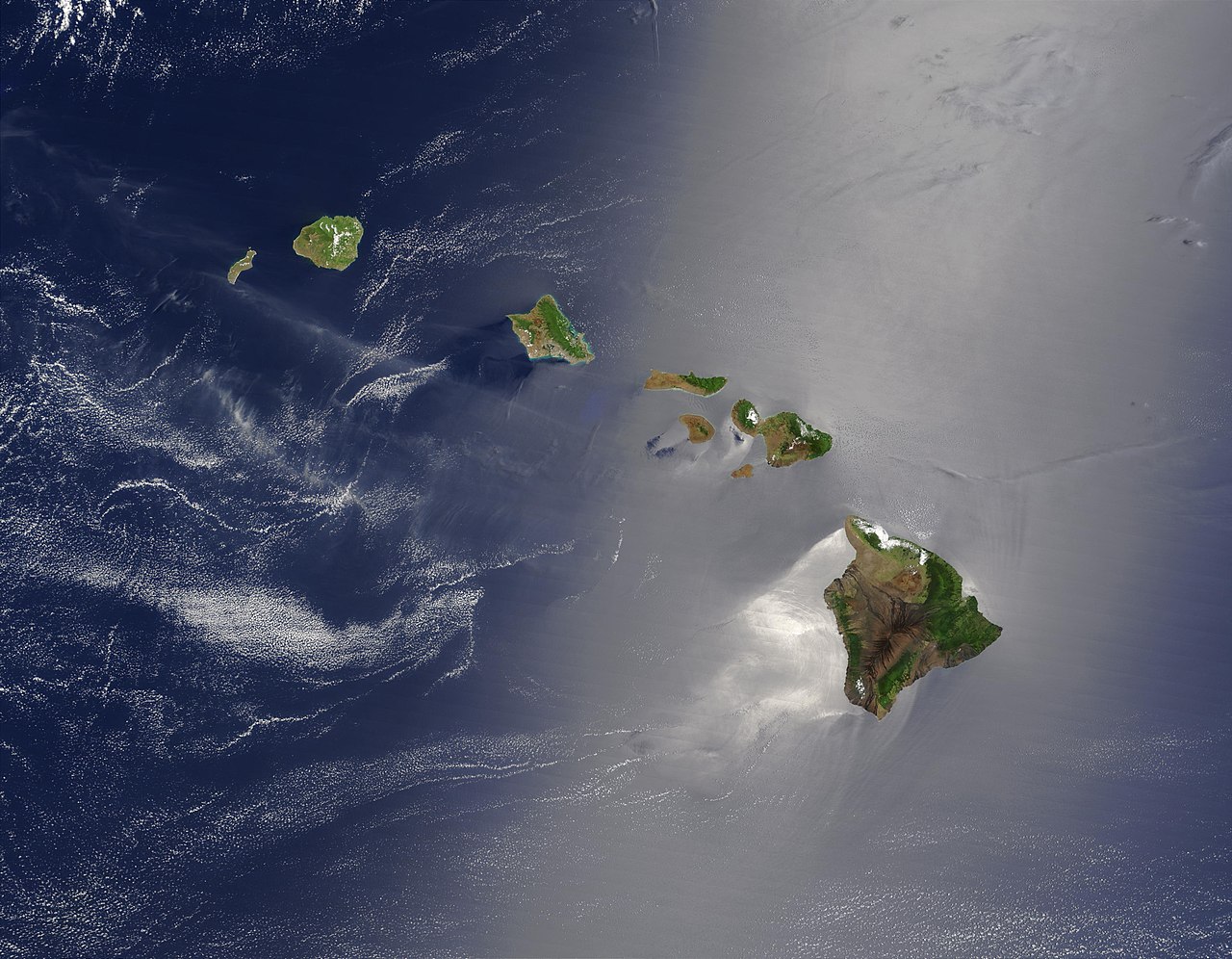
Islands can form in several ways! One way is through volcanic activity. When a volcano erupts, it can push up land to create an island. ⛰️ The Hawaiian Islands were formed this way, and they're still growing! Another way islands can form is from sedimentation. 🏖️ This happens when sand and soil build up over time in shallow water. Coral reefs can also create islands called "cays" when the reef rises above sea level. 🌊Each island is shaped by nature, making them all different and interesting places to explore! 🌺
Humans have had a big impact on islands over time. Sadly, development and pollution have damaged some island ecosystems. 🏝️ Cities on islands can grow quickly, leading to habitat loss for native wildlife. When tourists visit, they must be careful not to litter or harm the delicate environments. 🏖️ Climate change also threatens islands by causing rising sea levels and stronger storms. 🌪️ It's vital for us to take care of these beautiful places, especially as we learn ways to protect them for future generations! 🌍
Islands contribute significantly to the economy! 🌐Many islands rely on fishing, farming, and tourism for income. Island nations, such as Fiji, depend on fish like tuna and tropical fruits like coconuts and mangoes. 🍍🏄♂️ Some islands have beautiful beaches and resorts that attract tourists from around the world, boosting local economies. 🏖️ However, it's essential that tourism is sustainable so that nature is protected. Conserving the island's resources ensures that future generations can enjoy them too! 🌍
Conservation is crucial for protecting island environments! 🌿Organizations work hard to preserve natural habitats and wildlife found on islands. Many countries have national parks or marine reserves to protect special areas from pollution and overfishing. 🌊🦀 Community awareness campaigns help educate people about the importance of stewardship. For example, schools often promote recycling and sustainable practices. 🌍Together, we can help protect our islands and ensure beautiful ecosystems thrive for generations to come! 🌺
Islands are often rich in culture and history! Many islands have unique traditions, foods, and music. 🎶For example, the Maori culture of New Zealand is famous for their carving and dance. 🥝Some islands have ancient ruins, like Easter Island, known for its giant stone statues called moai. 🗿Communities on islands celebrate their culture through festivals and events. Beaches and local dishes, like Hawaiian poke or Caribbean jerk chicken, reflect island life. 🍽️ Exploring these cultural treasures helps us learn from the past! 🌟
There are so many remarkable islands to explore! 🌎Some of the most famous include:
1. Hawaii (USA) - Known for its volcanoes, beaches, and native culture. 🌋
2. Bora Bora (French Polynesia) - Renowned for its stunning lagoons and luxury resorts. 🌊
3. Great Barrier Island (New Zealand) - Celebrated for beautiful scenery and unique wildlife. 🏞️
4. Santorini (Greece) - Popular for its charming white buildings and mesmerizing sunsets! 🌅
5. Madagascar - Home to many unique plants and animals not found anywhere else. 🦎Each island has its own wonder! 🌟


DIY is a creative community where kids draw, build, explore ideas, and share.
No credit card required