All Articles

Hurrian

Hurrian Facts For Kids

Hurrian is an ancient language that was spoken in the Near East, mainly known through cuneiform texts from the second millennium BCE.
🎨 Reading age for 6-8
Background blob
Hurrian
Hurrian
Facts for Kids!
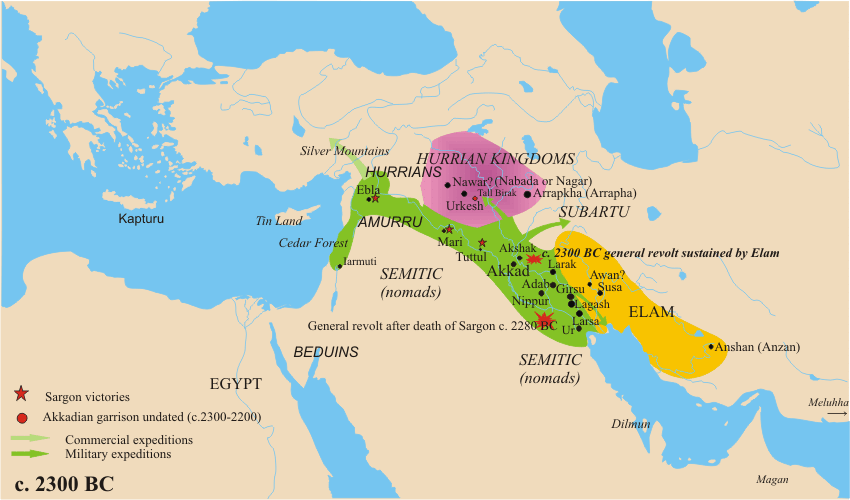
Image by Jolle at Catalan Wikipedia, licensed under Creative Commons Attribution-Share Alike 3.0

Do more with AI

Introduction

The Hurrian language was spoken by the Hurrian people, who lived in ancient parts of the Middle East! 🌏Their homeland was mainly in an area called Mesopotamia, which is now modern-day Turkey, Syria, and Iraq. The Hurrians had a fascinating culture, and they wrote in their language using cuneiform script, a type of writing invented by the Sumerians. They flourished around 2500 BC and were known to have interacted with powerful kingdoms like the Hittites and Assyrians. The Hurrian language is no longer spoken today, but it is important for understanding ancient history! 📜

Images of Hurrian

Foundation tablet. Dedication to God Nergal by Hurrian king Atalshen, king of Urkish and Nawar, Habur basin, circa 2000 BC. Louvre Museum AO 5678."Of Nergal the lord of Hawalum, Atal-shen, the caring shepherd, the king of Urkesh and Nawar, the son of Sadar-mat the king, is the builder of the temple of Nergal, the one who overcomes opposition. Let Shamash and Ishtar destroy the seeds of whoever removes this tablet. Shaum-shen is the craftsman."[4]

Foundation tablet. Dedication to God Nergal by Hurrian king Atalshen, king of Urkish and Nawar, Habur basin, circa 2000 BC. Louvre Museum AO 5678."Of Nergal the lord of Hawalum, Atal-shen, the caring shepherd, the king of Urkesh and Nawar, the son of Sadar-mat the king, is the builder of the temple of Nergal, the one who overcomes opposition. Let Shamash and Ishtar destroy the seeds of whoever removes this tablet. Shaum-shen is the craftsman."[4]

Incense burner. Hurrian period, 1300–1000 BC. From Tell Basmosian (also Tell Bazmusian), modern-day Lake Dukan, Iraq. Currently displayed in Erbil Civilization Museum.Image by Osama Shukir Muhammed Amin FRCP(Glasg), licensed under Creative Commons Attribution-Share Alike 4.0

Incense burner. Hurrian period, 1300–1000 BC. From Tell Basmosian (also Tell Bazmusian), modern-day Lake Dukan, Iraq. Currently displayed in Erbil Civilization Museum.

Hurrian incense containerImage by Osama Shukir Muhammed Amin FRCP(Glasg), licensed under Creative Commons Attribution-Share Alike 4.0

Hurrian incense container

The Hittite gods Teshub and Hebat, chamber A, Yazilikaya, Hittite rock sanctuary, TurkeyImage by Bernard Gagnon, licensed under Creative Commons Attribution-Share Alike 3.0

The Hittite gods Teshub and Hebat, chamber A, Yazilikaya, Hittite rock sanctuary, Turkey

The Louvre lion and accompanying stone tablet bearing the earliest known text in HurrianImage by Rama, licensed under Creative Commons Attribution-Share Alike 3.0 fr

The Louvre lion and accompanying stone tablet bearing the earliest known text in Hurrian

Foundation tablet. Dedication to God Nergal by Hurrian king Atalshen, king of Urkish and Nawar, Habur basin, circa 2000 BC. Louvre Museum AO 5678."Of Nergal the lord of Hawalum, Atal-shen, the caring shepherd, the king of Urkesh and Nawar, the son of Sadar-mat the king, is the builder of the temple of Nergal, the one who overcomes opposition. Let Shamash and Ishtar destroy the seeds of whoever removes this tablet. Shaum-shen is the craftsman."[4]Image by ALFGRN, licensed under Creative Commons Attribution-Share Alike 2.0

Foundation tablet. Dedication to God Nergal by Hurrian king Atalshen, king of Urkish and Nawar, Habur basin, circa 2000 BC. Louvre Museum AO 5678."Of Nergal the lord of Hawalum, Atal-shen, the caring shepherd, the king of Urkesh and Nawar, the son of Sadar-mat the king, is the builder of the temple of Nergal, the one who overcomes opposition. Let Shamash and Ishtar destroy the seeds of whoever removes this tablet. Shaum-shen is the craftsman."[4]

Incense burner. Hurrian period, 1300–1000 BC. From Tell Basmosian (also Tell Bazmusian), modern-day Lake Dukan, Iraq. Currently displayed in Erbil Civilization Museum.Image by Osama Shukir Muhammed Amin FRCP(Glasg), licensed under Creative Commons Attribution-Share Alike 4.0

Incense burner. Hurrian period, 1300–1000 BC. From Tell Basmosian (also Tell Bazmusian), modern-day Lake Dukan, Iraq. Currently displayed in Erbil Civilization Museum.

Hurrian incense containerImage by Osama Shukir Muhammed Amin FRCP(Glasg), licensed under Creative Commons Attribution-Share Alike 4.0

Hurrian incense container

The Hittite gods Teshub and Hebat, chamber A, Yazilikaya, Hittite rock sanctuary, TurkeyImage by Bernard Gagnon, licensed under Creative Commons Attribution-Share Alike 3.0

The Hittite gods Teshub and Hebat, chamber A, Yazilikaya, Hittite rock sanctuary, Turkey

The Louvre lion and accompanying stone tablet bearing the earliest known text in HurrianImage by Rama, licensed under Creative Commons Attribution-Share Alike 3.0 fr

The Louvre lion and accompanying stone tablet bearing the earliest known text in Hurrian

Social Structure

The Hurrian society had a clear social structure! 👑At the top were kings and queens who ruled the cities, supported by nobles. The priests played an important role, as they communicated with the gods. Below them were craftsmen and farmers, who made goods and produced food to support the population. There were also laborers who helped with different tasks. This structure helped maintain order and ensure that the society functioned smoothly for everyone! 🌐

Economy And Trade

Trade was essential for the Hurrian economy! 💰They traded goods like textiles, pottery, and precious metals with neighbors, making it a lively center of commerce. The Hurrians needed resources that their land did not have, so they exchanged their goods for items like tools and food. They also farmed crops like barley and wheat. The bustling trade routes allowed ideas and cultures to spread, connecting people across vast distances! 🌾

Language And Scripts

Hurrian is quite unique! 🗣️ It belongs to a different language family than many others. While most languages in the region belong to the Semitic or Indo-European families, Hurrian has its own special roots. The Hurrians wrote their language in cuneiform script, which looks like small wedge shapes. They used clay tablets to write all about their lives. The most famous Hurrian text is called the "Hurrian Hymn to Nikkal,” which is the oldest known song in history! 🎶Isn’t that cool?

Legacy And Influence

The legacy of the Hurrians lives on through their contributions to culture and history! 📖While Hurrian is no longer spoken, it influenced other languages and cultures in the region. Their stories and religious beliefs were passed down, blending into the wider Mesopotamian tradition. Archaeologists continue to excavate Hurrian sites, revealing new knowledge about how they lived. Understanding the Hurrians helps historians piece together the puzzle of ancient civilizations and appreciate the diversity of human history! 🧩

Arts And Architecture

The Hurrians were talented artists and builders! 🎨They created stunning wall murals that depicted daily life, battles, and ceremonies. Their pottery was not only beautiful but also practical, used in their homes for cooking and storing food. Architecturally, the Hurrians built impressive structures, including temples dedicated to their gods. They also built palaces that showed their love for art and sophistication. The ruins of these ancient buildings can still be seen today! 🏛️

Cultural Contributions

The Hurrian people made many interesting contributions to culture! 🎭They were known for their music, pottery, and storytelling. They created beautiful musical instruments, and their songs often celebrated gods and nature. The Hurrians also created intricate pottery with amazing designs. Their stories often featured great heroes and adventures, which influenced the tales told by other nearby cultures, such as the Mesopotamians. The Hurrian culture added colorful threads to the rich tapestry of ancient civilization! 🌈

Religion And Mythology

The Hurrian people had rich religious beliefs! 🕊️ They worshiped many gods and goddesses, with a particular focus on the sky god Teshub, who was believed to bring rain and storms. They also honored the goddess Nikkal, the divine figure associated with orchards and fruits. Their myths often explained natural events, like why it rains or why the sun shines. The "Hurrian Creation Myth" is an important part of their belief system. It tells the story of how the world was made, showcasing the Hurrians' connection to nature! 🌳

Historical Significance

Understanding Hurrian history helps us learn about the past! 📚The Hurrians played a significant role in the development of ancient civilizations in the region. They established city-states like Urkish and Washukanni, which were parts of a complex network of trade and culture. The records show that they interacted with famous civilizations like the Hittites, allowing us to learn about their relationships and exchanges. Historians study the Hurrian people to understand how different cultures interacted thousands of years ago.

Hurrian Quiz

Q1
Question 1 of 10

Learn more about Hurrian

Ready to create?

Make

To create a safe space for kid creators worldwide!

Create

Vibe Coding

Kids GPT

All Tools

Kibu

Resources

Worksheets

SafeTube

Blog

FAQ

Account

Pricing

Log-in

Sign-up

Data Deletion

Company

About

Community Guidelines

Privacy Policy

Terms of Service

2025, URSOR LIMITED. All rights reserved. DIY is in no way affiliated with Minecraft™, Mojang, Microsoft, Roblox™ or YouTube. LEGO® is a trademark of the LEGO® Group which does not sponsor, endorse or authorize this website or event. Made with love in San Francisco.