Howland Island Facts For Kids
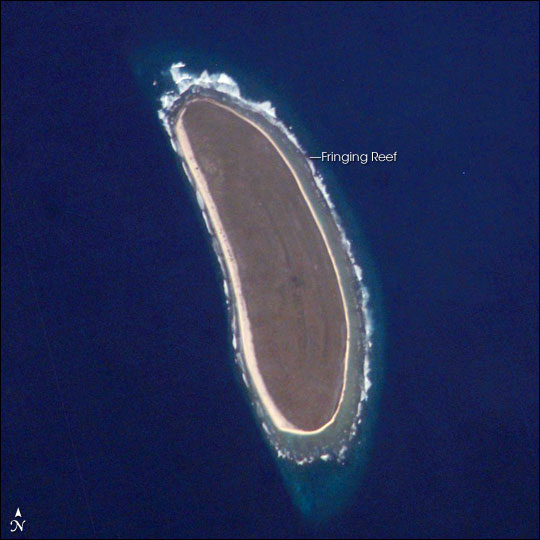
Howland Island is a coral island and strict nature reserve located just north of the equator in the central Pacific Ocean, about 1,700 nautical miles southwest of Honolulu, famous for its natural beauty and unique wildlife.
Select reading age
Howland Island Facts For Kids
Videos & Quizzesincluded
About this topic
Howland Island 🏝️ is a small coral island located in the central Pacific Ocean, about 1,700 nautical miles southwest of Honolulu, Hawaii. It’s a special place because it is a strict nature reserve, which means people can’t live there. Howland Island is about 1.6 square miles in size, making it tiny compared to many other islands! It was named after a sailor named Edmund Fanning, who discovered it in 1791. The island is also famous for being part of Amelia Earhart’s final flight in 1937. Here, nature is preserved and protected for all sorts of wildlife! 🌿
Explore with ChatDinoKey Points
Howland Island is home to many unique plants and animals 🌷🐦.
Howland Island is not used for economic activities like farming or industry because it is a nature reserve 🚫🌱.
In 1791, Edmund Fanning, an American sailor, discovered Howland Island, marking its entrance into history.
Howland Island is located right by the equator, which makes it a warm place!
Howland Island is highly protected under U.S. law as part of the Pacific Remote Islands Marine National Monument 🛡️🌊.
Howland Island may not have a lot of stories from people, but its connection to Amelia Earhart adds a sense of legend!
Howland Island experiences a tropical climate ☀️ with warm temperatures year-round.
Today, Howland Island is managed by the U.S.
There are no permanent residents on Howland Island since it is a strict nature reserve.
Visiting Howland Island can be tricky!
Photos of Howland Island
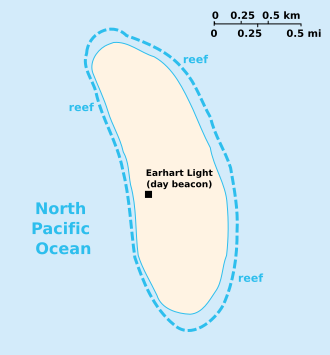
Map of Howland Island

Orthographic projection centered over Howland Island
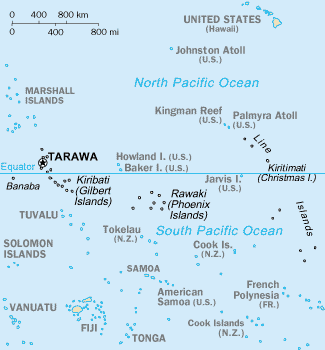
Map of the central Pacific Ocean showing Howland Island and nearby Baker Island just north of the Equator and east of Tarawa

Howland Island sign, and in the background, the repaired Day Beacon tower

Pacific Guano Company

View of the settlement on the island, 1937

Government House, 1937

The planned flight route of Amelia Earhart across the Pacific

Amelia Earhart and Fred Noonan
🌷 Flora And Fauna
Howland Island is home to many unique plants and animals 🌷🐦. Because of its coral reef environment, it has limited biodiversity. The island features low-lying vegetation, mainly grasses, and shrubs. You can find sea turtles 🐢 resting on its beaches and various birds like the red-footed boobies and frigatebirds flying above. Howland Island acts as a nesting ground for seabirds, making it an important habitat for wildlife. The surrounding ocean is full of colorful fish and coral, creating a vibrant underwater world! 🐠
Go deeper🚫 Economic Significance
Howland Island is not used for economic activities like farming or industry because it is a nature reserve 🚫🌱. Instead, it serves an essential role for science and ecology. Researchers come to study its wildlife and environment, helping to protect coral reefs and unique bird species. The island is a part of the Pacific Remote Islands Marine National Monument, which helps safeguard marine resources in the area. While it may not produce income like other islands, it contributes to ecological awareness and conservation efforts. 🌍
Go deeper🛩️ History And Discovery
In 1791, Edmund Fanning, an American sailor, discovered Howland Island, marking its entrance into history. It was claimed for the United States in 1857. The island has a rich history, especially regarding aviation. In 1937, famous pilot Amelia Earhart tried to land there during her flight around the world, but she never made it, adding mystery to the island's story. 🛩️ Later, in World War II, it became a lookout point for the U.S. military. Today, it is a nature reserve and very few people visit, keeping its history alive!
Go deeper🌞 Geography And Location
Howland Island is located right by the equator, which makes it a warm place! 🌞It sits at approximately 0.3° N latitude and 176.6° W longitude. The island is part of the United States and is surrounded by the vast Pacific Ocean. Just nearby, you’ll find Baker Island, another small coral island. This lonely island is flat, with its highest point only about 20 feet above sea level. No fresh water is found here, making it a challenging place for plants and animals to survive. 🌊
Go deeper🛡️ Environmental Protection
Howland Island is highly protected under U.S. law as part of the Pacific Remote Islands Marine National Monument 🛡️🌊. This means that no fishing, mining, or other harmful activities are allowed. Strict rules help keep the island and its surrounding waters clean and safe for wildlife. Researchers and environmentalists work hard to monitor and study the area, keeping it healthy. Moreover, Howland Island is a crucial spot for endangered species, making environmental protection even more important!
Go deeper🌟 Cultural Impact And Legends
Howland Island may not have a lot of stories from people, but its connection to Amelia Earhart adds a sense of legend! 🌟Many people remember her bravery and mystery surrounding her disappearance while trying to land there. The island also teaches us about preservation and the importance of protecting nature. It is a symbol of adventure and exploration for many explorers and scientists who respect it today. The island's natural beauty inspires everyone who learns about it!
Go deeper☀️ Climate And Weather Patterns
Howland Island experiences a tropical climate ☀️ with warm temperatures year-round. The average temperature is around 80°F (27°C). The island also gets a lot of rain, especially during the rainy season from November to March. The weather can change quickly, with gusty winds blowing over the water. Tropical storms can sometimes reach the island, so it’s important for sailors to be cautious. Even without people living there, the weather creates a unique environment for plants and animals alike! 🌧️
Go deeper🦉 Current Status And Governance
Today, Howland Island is managed by the U.S. Fish and Wildlife Service 🦉. They are responsible for protecting its natural environment and the wildlife that live there. No one can build homes or fish near the island, keeping it safe. Visitors can explore the island occasionally, but it has strict guidelines. Howland Island serves as an important reminder of nature's beauty and the need to care for our planet's fragile ecosystems! 🌎
Go deeper🏕️ Human Presence And Activities
There are no permanent residents on Howland Island since it is a strict nature reserve. 🏕️ However, some scientists and researchers visit the island to study its wildlife and ecosystems. They help protect its unique environment. Occasionally, the U.S. Fish and Wildlife Service conducts activities on the island to monitor wildlife, especially nesting seabirds. Even though people can’t live there, everyone plays a role in keeping this island safe for its natural treasures!
Go deeper🚤 Visitor Information And Accessibility
Visiting Howland Island can be tricky! 🚤Currently, there are no regular commercial flights or ferries that go there. People interested in visiting must arrange special trips with scientists or government agencies. It’s also crucial to follow strict rules while visiting to protect wildlife and the environment. The island isn’t a tourist spot but a treasure for nature lovers and researchers. For those who can go, it's an adventure filled with amazing wildlife! 🌋
Go deeper