Great Bustard Facts For Kids
The great bustard is a large terrestrial bird known for its striking appearance and spectacular courtship displays, found mainly in grasslands of Europe and parts of Asia.
Select reading age
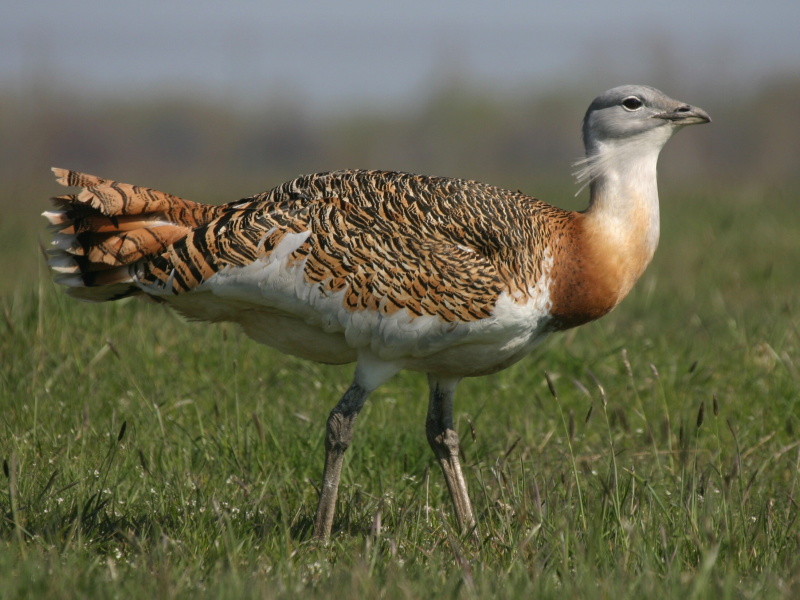
Great Bustard Facts For Kids
Videos & Quizzesincluded
About this topic
The great bustard is a special bird known for its size and unique appearance. 🦩It is the heaviest flying bird in Europe! You can find these wonderful creatures in countries like Spain, Portugal, and parts of Eastern Europe. They love living in open grasslands and fields, where they can run and even fly. Great bustards were once endangered, but thanks to conservation efforts, their numbers are slowly growing. They have distinctive features, like a fluffy beard and bright plumage, especially the males who show off during the mating season. Isn't that fascinating? 🌍
Explore with ChatDinoQuick Facts
Key Points
Great bustards are herbivores, which means they eat plants!
Did you know that the great bustard can fly surprisingly well for such a big bird?
The great bustard is classified as "Near Threatened" due to habitat loss and hunting.
Great bustards have been part of various cultures and folklore throughout history!
Great bustards prefer wide open spaces, especially grasslands and farmland.
Great bustards are big birds!
In early spring, great bustards become very active as males begin their mating displays!
Great bustards are known for their interesting behaviors!
Photos of Great Bustard

A museum display shows male–female sexual dimorphism.

Captive male great bustard, showing the characteristic long, beard-like feathers and heavy build

Close up of face

Mounted specimen of a female, with somewhat more muted tones and a more slender, smaller build than the adult male

Great bustards in Spain in fairly typical habitat for the species

Adult male great bustard in habitat

A great bustard in flight

Male bustard display

🥕 Diet And Feeding
Great bustards are herbivores, which means they eat plants! 🥕Their diet includes grass, flowers, seeds, and even some insects. They are foragers and love to roam the grasslands in search of tasty snacks. Great bustards can also be seen pecking at the ground to find seeds and roots. Their strong legs allow them to run quickly, helping them escape from predators. It's important for them to have enough food, especially during the breeding season when they need extra energy. They often feed in the early morning or late afternoon when it's cooler. 🍃
Go deeper✈️ Interesting Facts
Did you know that the great bustard can fly surprisingly well for such a big bird? ✈️ They can reach speeds of up to 30 miles per hour (48 km/h) in flight! Also, they have excellent eyesight, allowing them to spot danger from far away. The male's dance can last for several hours, showing off to impress females. 🕺Each year, females usually only raise one or two chicks, which makes every birth special. The great bustard also has a unique way of using its wings to communicate with other birds. Overall, these birds are pretty amazing and play an important role in their ecosystems! 🌟
Go deeper🌍 Conservation Status
The great bustard is classified as "Near Threatened" due to habitat loss and hunting. 🌍Many areas where they used to live have changed because of farming and urban development. Conservationists are working hard to protect their habitats and help increase their numbers. In some places, like Spain, special areas have been set aside to conserve grassland habitats for great bustards. Monitoring programs are in place to study their populations and behaviors, ensuring these magnificent birds have a chance to thrive and continue flying in our skies! 🌱
Go deeper🎨 Cultural Significance
Great bustards have been part of various cultures and folklore throughout history! 🎨In some ancient European stories, these birds were symbols of strength and beauty because of their majestic appearance. In modern times, they represent successful conservation efforts, showing how people can work together to protect wildlife. Many birdwatchers and nature enthusiasts travel to see the great bustard in its natural environment. Additionally, artists and writers have often found inspiration in their graceful movements and magnificent displays during mating season. 🌼
Go deeper🌾 Habitat And Distribution
Great bustards prefer wide open spaces, especially grasslands and farmland. 🌾They can mainly be found in countries across Europe and western Asia. Some places where they typically live include the plains of Spain and the steppes of Russia. They enjoy habitats that are not too dense, as they need room to roam and find food. In the spring, during mating season, they perform dances to attract mates. Great bustards travel to open fields and flat areas to show off their impressive displays. Their home ranges can vary, but they love areas that are good for nesting and feeding. 🏞️
Go deeper🦅 Physical Characteristics
Great bustards are big birds! 🦅Males can weigh up to 40 pounds (18 kg) and stand tall at about 3 feet (90 cm). They have long necks, powerful legs, and broad wings that help them fly. Males have beautiful feathers with a mix of brown, white, and gray, making them look extra fancy during mating season. Females are smaller and have more muted colors, which helps them camouflage while nesting. Both genders have distinctive fluffy beards, especially the males when they are showing off. Their size and colorful plumage make them truly remarkable birds! 🌈
Go deeper🐦 Reproduction And Life Cycle
In early spring, great bustards become very active as males begin their mating displays! 🐦The males gather in groups, where they perform colorful and lively dances to attract females. After mating, the female builds a nest on the ground, usually hidden among tall grasses. She lays one to three eggs and incubates them for about 25-30 days. Once the chicks hatch, they are able to walk and find food almost immediately. They stay with their mother for about three months until they can fly and hunt on their own. With proper care, great bustard chicks grow quickly and join adult flocks! 🐣
Go deeper🦢 Behavior And Social Structure
Great bustards are known for their interesting behaviors! They are social birds and often live in groups called flocks. 🦢During mating season, male great bustards perform amazing dances to impress females. They puff up their chest, spread their wings, and strut around to show off their size! This display is called "lekking." Females are usually solitary and raise their chicks on their own. They are protective mothers and choose hidden spots to lay their eggs. Great bustards communicate with each other using different sounds, and they can be quite noisy during the breeding season! 🎶
Go deeper