Gorgosaurus Facts For Kids
Gorgosaurus is a genus of theropod dinosaur known for its predatory skills and is closely related to the Tyrannosaurus rex, living during the Late Cretaceous period.
Select reading age
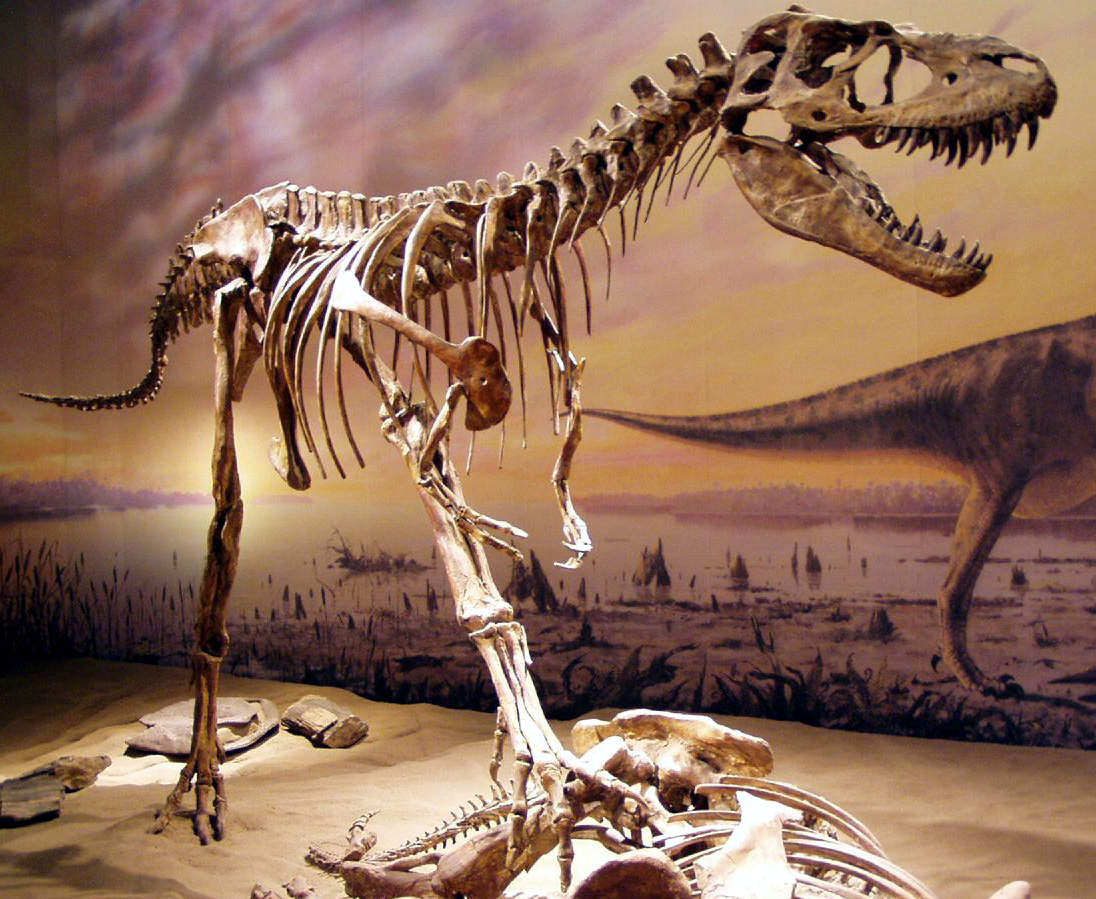
Gorgosaurus Facts For Kids
Videos & Quizzesincluded
About this topic
Gorgosaurus was a mighty dinosaur that roamed the Earth about 76 million years ago, during the Late Cretaceous period. 🦖This carnivorous dinosaur was found in what is now Canada, mainly in Alberta. Gorgosaurus was a member of the theropod family, which means it walked on two legs and had sharp teeth! These dinosaurs could grow up to 30 feet long and 10 feet tall! Gorgosaurus had a very big head and long arms, making it one of the fierce predators of its time. Can you imagine seeing one of these giants in the wild? 🌳
Explore with ChatDinoKey Points
Gorgosaurus lived in a warm and lush environment similar to today's forests and plains.
Gorgosaurus was a carnivore, meaning it ate meat!
Gorgosaurus had some amazing physical features!
Gorgosaurus is part of the dinosaur family called theropods, which includes some of the most famous dinosaurs like Tyrannosaurus rex!
Gorgosaurus might have lived in groups, showing behaviors similar to its close relatives.
When compared to other theropods, Gorgosaurus shares similar traits but also has unique features.
Fossils of Gorgosaurus were first uncovered in the early 20th century in Canada!
Gorgosaurus has appeared in many documentaries and media about dinosaurs, sparking interest and fascination!
Photos of Gorgosaurus

Type specimen of Gorgosaurus sternbergi (AMNH 5664), now recognized as a juvenile Gorgosaurus libratus

Specimen AMNH 5458

Specimen USNM 12814 (formerly AMNH 5428)

Cast of specimen PIN 553–1, holotype of now invalid Gorgosaurus lancinator

G. libratus adult and subadult with a human for scale


Bob Bakker and a skeleton with several bone injuries, from the "Dinosaur Mummy: CSI" exhibit at the HMNS

Skeletal mount in Japan

Gorgosaurus juvenile specimen TMP 2009.12.14, featuring stomach contents comprising remains of Citipes
☀️ Habitat And Range
Gorgosaurus lived in a warm and lush environment similar to today's forests and plains. ☀️ It thrived in what we now call the Late Cretaceous land in North America, specifically in Canada. The region was full of thick vegetation, providing plenty of places to hide and hunt for food. 🌳Some fossils have even been discovered in Dinosaur Provincial Park, showing where these magnificent creatures walked along rivers and through the woods. Because of their habitat, Gorgosaurus likely encountered many other dinosaurs, both prey and competitors! 🦕
Go deeper🐉 Diet And Feeding Habits
Gorgosaurus was a carnivore, meaning it ate meat! 🐉It hunted other dinosaurs for food, such as small to medium-sized herbivores. Imagine Gorgosaurus sneaking through the bushes, using its sharp teeth to capture its dinner! Their teeth were designed like steak knives, allowing them to tear apart their catches easily. Gorgosaurus probably hunted alone or might have worked with others to trap larger prey. After eating, Gorgosaurus could go days without hunting again, thanks to its big meals. Who wouldn’t love to feast like a king after a successful hunt! 🍗
Go deeper🏋️♂️ Physical Characteristics
Gorgosaurus had some amazing physical features! It had a large and powerful skull filled with sharp, serrated teeth that were perfect for tearing into its prey. Its strong legs helped it run quickly, but it could also be quite heavy, weighing around 2 tons! 🏋️♂️ This dinosaur had tiny, strong arms with two fingers on each, which may have helped it hold onto its food. Gorgosaurus was covered with bumpy skin and could have had colorful patterns to blend in with the environment. Imagine a giant lizard with an awesome paint job! 🎨
Go deeper🦖 Taxonomy And Classification
Gorgosaurus is part of the dinosaur family called theropods, which includes some of the most famous dinosaurs like Tyrannosaurus rex! Gorgosaurus belongs to the group known as "dromaeosaurs." Its scientific name, Gorgosaurus libratus, was given by paleontologist Lawrence Lambe in 1914. 🦖Gorgosaurus is closely related to another dinosaur called Albertosaurus, and they share many similar features. Both are members of the family “Tyrannosauridae,” which makes them relatives! So, Gorgosaurus and T. rex are like cousins in the dinosaur family tree! 🌳
Go deeper🦖 Behavior And Social Structure
Gorgosaurus might have lived in groups, showing behaviors similar to its close relatives. Some scientists believe these dinosaurs could have hunted in packs, working together to corral prey! 🦖They may have communicated with each other using sounds or body language, just like wolves do today. 🐺Gorgosaurus also likely cared for their young, teaching them how to hunt and survive in the wild. Although we can't know for sure how they lived, fossil evidence suggests complex social structures and behaviors, which are pretty cool for dinosaurs! 🌟
Go deeper🏃♂️ Comparison With Other Theropods
When compared to other theropods, Gorgosaurus shares similar traits but also has unique features. For example, it is closely related to Tyrannosaurus rex, but Gorgosaurus was smaller, lighter, and faster! 🏃♂️ Gorgosaurus had a more elongated head, which helped it bite into smaller prey. Another relative, Velociraptor, was much smaller than Gorgosaurus and had feathers, while Gorgosaurus was likely scaly! 🦚This diversity among theropods shows just how different dinosaurs could be even in the same family. It's like comparing different breeds of dogs—each is special in its own way! 🐩
Go deeper🕵️♂️ Fossil Discovery And Significance
Fossils of Gorgosaurus were first uncovered in the early 20th century in Canada! 🕵️♂️ Many skeletons were found in the Edmonton area, which helped scientists learn more about how these dinosaurs lived. The well-preserved fossils reveal lots about Gorgosaurus's structure and behavior. 🦕Fossils provide crucial links to understanding how dinosaurs evolved and interacted with their environment. Scientists have also studied Gorgosaurus’s bones to figure out how fast it could run and how strong it was. Each discovery teaches us more about the amazing world of dinosaurs! 🗿
Go deeper🎥 Cultural Impact And Representation
Gorgosaurus has appeared in many documentaries and media about dinosaurs, sparking interest and fascination! 🎥Some kids might recognize Gorgosaurus from shows like "Walking with Dinosaurs." Fossils of Gorgosaurus are displayed in museums, letting visitors marvel at these magnificent creatures. 🏛️ In stories and art, Gorgosaurus captures imagination, depicting fierce battles with other dinosaurs. Its unique features and story have made it a popular dinosaur in educational resources and toys. So, next time you see a dinosaur toy, it might just be Gorgosaurus, ready for adventure! 🚀
Go deeper