All Articles

Gold

Gold Facts For Kids

Gold is a dense, soft, malleable metal known for its lustrous yellow appearance and its widespread use in jewelry, electronics, and as a measure of wealth.

🎨 Reading age for 6-8
Background blob
Gold
Gold
Facts for Kids!
Image by Alchemist-hp ( talk ) www.pse-mendelejew.de, licensed under Creative Commons Attribution-Share Alike 3.0 de

Do more with AI

Introduction

Gold is a shiny, yellow metal that has been loved by people for thousands of years! 🌟It’s one of the most valuable materials in the world. Gold is used to make jewelry, coins, and even electronics! Did you know that pure gold is so soft that it can be bent easily with your hands? People find gold in many places, like rivers, mountains, and even underground! 🏔️ Gold's chemical symbol is Au, which comes from the Latin word for gold, "aurum." So, next time you see something shiny and gold, remember, it’s more than just pretty!

Images of Gold

The Face-centered cubic crystal structure.Image by Original PNGs by Daniel Mayer and DrBob , traced in Inkscape by User:Stannered, licensed under Creative Commons Attribution-Share Alike 3.0

The Face-centered cubic crystal structure.
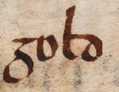
The word gold in the Beowulf manuscript

The word gold in the Beowulf manuscript

This 5 mm (0.20 in) gold nugget (dot in front of frame) can be hammered into a gold foil of about 0.5 m2 (5.4 sq ft) in area.Image by PHGCOM, licensed under Creative Commons Attribution-Share Alike 3.0

This 5 mm (0.20 in) gold nugget (dot in front of frame) can be hammered into a gold foil of about 0.5 m2 (5.4 sq ft) in area.

Gold bars, also called ingots or bullionImage by Slav4|Ariel Palmon, licensed under Creative Commons Attribution-Share Alike 3.0

Gold bars, also called ingots or bullion

Different colors of Ag–Au–Cu alloysImage by Original image: Metallos, licensed under Creative Commons Attribution-Share Alike 4.0

Different colors of Ag–Au–Cu alloys

Gold(III) chloride solution in water

Gold(III) chloride solution in water

Schematic of a NE (left) to SW (right) cross-section through the 2.020-billion-year-old Vredefort impact structure in South Africa and how it distorted the contemporary geological structures. The present erosion level is shown. Johannesburg is located where the Witwatersrand Basin (the yellow layer) is exposed at the "present surface" line, just inside the crater rim, on the left. Not to scale.

Schematic of a NE (left) to SW (right) cross-section through the 2.020-billion-year-old Vredefort impact structure in South Africa and how it distorted the contemporary geological structures. The present erosion level is shown. Johannesburg is located where the Witwatersrand Basin (the yellow layer) is exposed at the "present surface" line, just inside the crater rim, on the left. Not to scale.

Native goldImage by James St. John, licensed under Creative Commons Attribution 2.0

Native gold

Gold in pyriteImage by Robert M. Lavinsky, licensed under Creative Commons Attribution-Share Alike 3.0

Gold in pyrite

The Face-centered cubic crystal structure.Image by Original PNGs by Daniel Mayer and DrBob , traced in Inkscape by User:Stannered, licensed under Creative Commons Attribution-Share Alike 3.0

The Face-centered cubic crystal structure.

The word gold in the Beowulf manuscript

The word gold in the Beowulf manuscript

This 5 mm (0.20 in) gold nugget (dot in front of frame) can be hammered into a gold foil of about 0.5 m2 (5.4 sq ft) in area.Image by PHGCOM, licensed under Creative Commons Attribution-Share Alike 3.0

This 5 mm (0.20 in) gold nugget (dot in front of frame) can be hammered into a gold foil of about 0.5 m2 (5.4 sq ft) in area.

Gold bars, also called ingots or bullionImage by Slav4|Ariel Palmon, licensed under Creative Commons Attribution-Share Alike 3.0

Gold bars, also called ingots or bullion

Different colors of Ag–Au–Cu alloysImage by Original image: Metallos, licensed under Creative Commons Attribution-Share Alike 4.0

Different colors of Ag–Au–Cu alloys

Gold(III) chloride solution in water

Gold(III) chloride solution in water

Schematic of a NE (left) to SW (right) cross-section through the 2.020-billion-year-old Vredefort impact structure in South Africa and how it distorted the contemporary geological structures. The present erosion level is shown. Johannesburg is located where the Witwatersrand Basin (the yellow layer) is exposed at the "present surface" line, just inside the crater rim, on the left. Not to scale.Image by Oggmus, licensed under Creative Commons Attribution-Share Alike 3.0

Schematic of a NE (left) to SW (right) cross-section through the 2.020-billion-year-old Vredefort impact structure in South Africa and how it distorted the contemporary geological structures. The present erosion level is shown. Johannesburg is located where the Witwatersrand Basin (the yellow layer) is exposed at the "present surface" line, just inside the crater rim, on the left. Not to scale.

Native goldImage by James St. John, licensed under Creative Commons Attribution 2.0

Native gold

Gold in pyriteImage by Robert M. Lavinsky, licensed under Creative Commons Attribution-Share Alike 3.0

Gold in pyrite

Uses Of Gold

Gold is used in many ways! 💍One of the most popular uses is making beautiful jewelry for people to wear on special occasions. Gold is also used in coins, making it a form of money. 🪙Additionally, gold is used in electronics, like smartphones and computers, because it helps them work better! Its shiny surface reflects light, making gold great for decorations, too! Even in medicine, gold helps scientists make medicines and treat some illnesses! From jewelry to technology, gold has important roles everywhere!

Gold In Nature

Gold is not easy to find because it’s very rare! 🌍Most gold is found in rocks or rivers. It usually occurs in a pure form, unlike other metals. While large gold nuggets are rare, tiny flakes of gold can be found in rivers, especially in places like Australia and North America! 🏞️ Some plants, like certain species of mustard, can even absorb tiny amounts of gold from the soil! Gold is also very heavy, at about 19 times heavier than water! If you want to see shiny gold in nature, you may have to dig a little!

History Of Gold

Gold has been around for a long time! The first known use of gold was about 5,000 years ago in ancient Egypt! 🇪🇬 Egyptian pharaohs were often buried with gold to take it with them to the afterlife. Romans, Greeks, and Chinese also valued gold very much. The famous “Gold Rush” happened in California in 1848, when thousands of people went searching for gold! 🏃‍♂️🏃‍♀️ They dreamed of finding shiny nuggets and becoming rich. Gold has been used to create coins, too, since about 600 BCE. It's a metal that connects many cultures and times in history!

Fun Facts About Gold

Here are some cool facts about gold! 🤓Did you know that if you could stretch gold into a wire, it could be over 50,000 miles long? That's long enough to circle the Earth twice! 🌎Gold can also be made into very thin sheets called "gold leaf," which is so thin you can almost see through it. Gold is also a good conductor of electricity, making it important for electronic devices! Lastly, the largest gold nugget ever found weighed 2380 ounces, which is about 150 pounds! Imagine finding that in your backyard! 🏡✨

Gold As An Investment

Many people buy gold as a way to save money or invest! 💰Unlike paper money, gold keeps its value over time. People believe that if the economy gets tough, gold prices usually go up! People buy gold in the form of coins, bars, or jewelry. Even businesses invest in gold! When people talk about the "gold market," they are talking about how much gold costs and is traded around the world. Some people think gold is like a safety net, helping them save for the future!

Gold Mining Techniques

People use different methods to find gold! One of the oldest methods is called "panning." 🥄 You put dirt and water in a pan and swirl it around. Gold is heavy, so it sinks to the bottom! Miners also use machines like drill rigs to dig deep into the earth for gold ore. 🛠️ In some modern mines, they use explosives to break down rocks and then separate the gold. Some countries, like South Africa and Australia, have big gold mines that produce tons of gold each year! Mining for gold can be exciting, but it requires safety measures!

Cultural Significance Of Gold

Gold is special in many cultures! 🌎In ancient Egypt, it represented the sun and was a symbol of eternal life! Many cultures connect gold with wealth and power. For example, in India, gold is a symbol of prosperity, especially during festivals like Diwali! 🎉The Olympic gold medal is awarded to first-place winners, showing their hard work and dedication! Gold is often used in weddings and ceremonies across various cultures to symbolize love and commitment. 🌈People see gold as a treasure that brings happiness and good fortune!

Environmental Impact Of Gold Mining

Gold mining can hurt the environment! 🌿When miners dig for gold, they can disturb animals and plants living in those areas. They may also use chemicals, like mercury, to extract gold, which can pollute the water and harm fish and other creatures. 😢To help, some companies are trying to use better methods, like recycling old gold instead of mining new gold! Reducing waste and protecting nature is important to keep our planet healthy while still enjoying the shiny treasures of gold! 🌍✨

Gold Quiz

Q1
Question 1 of 10

Learn more about Gold

Ready to create?

Make

To create a safe space for kid creators worldwide!

Create

Vibe Coding

Kids GPT

All Tools

Kibu

Resources

Worksheets

SafeTube

Blog

FAQ

Account

Pricing

Log-in

Sign-up

Data Deletion

Company

About

Community Guidelines

Privacy Policy

Terms of Service

2025, URSOR LIMITED. All rights reserved. DIY is in no way affiliated with Minecraft™, Mojang, Microsoft, Roblox™ or YouTube. LEGO® is a trademark of the LEGO® Group which does not sponsor, endorse or authorize this website or event. Made with love in San Francisco.