The Geneva Conventions are international humanitarian laws consisting of four treaties and three additional protocols that aim to establish legal standards for humane treatment during war.
Set reading age
View for Kids
Easy to read and understand
View for Students
Clear, detailed explanations
View for Scholars
Deep dives and big ideas
The Geneva Conventions are important rules that help protect people during wars. 🌍⚔️ There are four main treaties, created to ensure that everyone – soldiers, civilians, and even the sick – is treated fairly and humanely. The conventions were first agreed upon in 1864 and have been updated to keep up with changes in society and wars. Countries all around the world, even 196 of them, agree to follow these rules to make sure wars are less harmful. The goal is to take care of everyone involved and to make the world a safer place, even during challenging times! ✌️
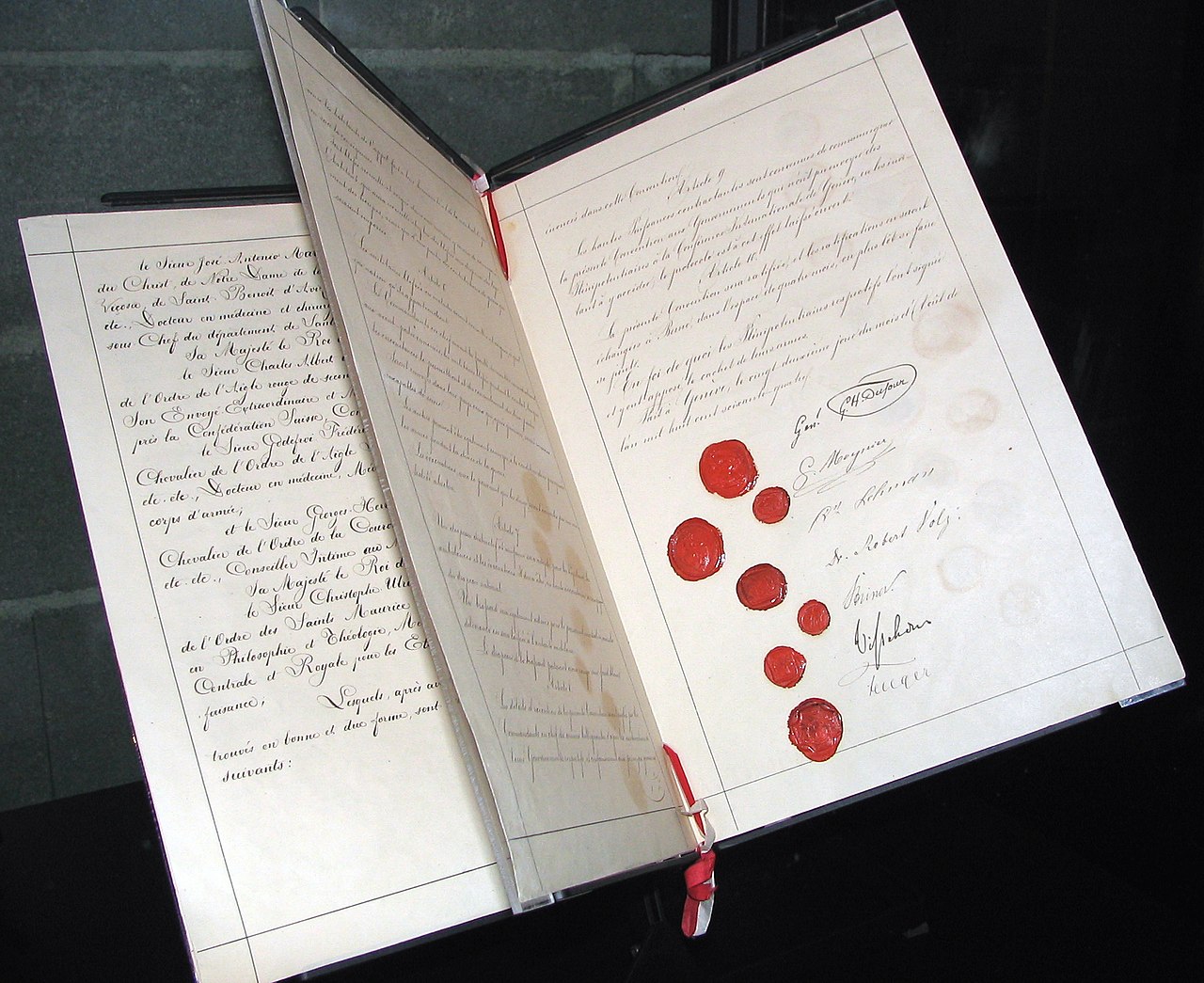
The first Geneva Convention was created in 1864 by a man named Henry Dunant. 🕊️ He saw terrible suffering after a battle and wanted to change things. The idea was to treat wounded soldiers kindly, no matter which side they were on. Over time, more countries joined in, and they updated the rules. In 1949, after World War II, the four Geneva Conventions we know today were finalized to take better care of victims and protect human rights. Many countries around the world have signed these treaties because they believe in helping others during difficult times. 🤝
In 1977, two important protocols were added to the Geneva Conventions! 📜The first protocol makes sure that victims of international conflicts are protected, while the second deals with non-international conflicts, like civil wars within a country. In 2005, a third protocol was introduced, creating an additional symbol (the Red Crystal) for those who help in emergencies. 🚨These protocols build on the main conventions to make even more rules to protect people during war and ensure everyone knows they are cared for.
The humanitarian laws focus on three main principles: humanity, neutrality, and impartiality. 😇Humanity means treating everyone with kindness, even in war. Neutrality means that helpers, like doctors and nurses, should not take sides. Impartiality means that help should be given based on need, without favoritism. 🌈These principles ensure that people, regardless of their situation, receive the care and support they need when conflicts happen. By following these rules, we can work towards a world where everyone is respected and cared for, even in the toughest moments.
To make sure countries follow the Geneva Conventions, there are special ways to enforce the rules. ⚡️ Countries are expected to include these laws in their own legal systems. Organizations, like the ICRC, help remind and encourage them to comply. If a country breaks these rules, it can face consequences or even be brought to an international court! ⚖️ This ensures that people are held accountable for their actions during conflicts and that everyone remembers to treat each other humanely in times of war.
The first Geneva Convention protects wounded and sick soldiers on land. 🚑The second is for those in the sea, helping injured sailors and soldiers. The third convention focuses on prisoners of war, ensuring they are treated humanely and fairly. 🏴☠️ The fourth convention aims to look after civilians in times of war. This includes protection from violence and exploitation. 🌺Each of these conventions works together to keep people safe, no matter their situation during conflicts, showing that everyone matters and deserves kindness.
The future of International Humanitarian Law (IHL) is about finding new ways to protect people in conflict. 🌏As technology changes, laws may need updates to cover issues like drones and cyber warfare. 📱Countries and organizations must work together to ensure that IHL remains effective and relevant. By promoting education and awareness of these laws, we can help young people understand their importance in creating a kinder world. 🌈Together, we can continue to improve the rules that protect everyone, leading to a safer and more peaceful future! ✨
Here are some key terms to understand the Geneva Conventions better! 🌟"Humanitarian" means caring for people, especially during crises. "Combatants" are soldiers involved in a conflict, while "civilians" are not part of the fighting. "Treaties" are agreements between countries. "Impartiality" means not choosing sides. ⚖️ Finally, "war crimes" are serious violations of the laws of war. Understanding these terms helps everyone learn about the importance of kindness and fairness during tough times, making the world a better place!
Many real-life examples show how the Geneva Conventions help people. 🌟During World War II, the rules helped protect prisoners of war, ensuring that they received food and medical care. The conventions were also vital during conflicts in places like the former Yugoslavia and Rwanda, where the ICRC provided support to victims. 🌈These cases remind us how important it is to have laws that protect people, even in the toughest situations, and to always strive for kindness and understanding in our world.
Although the Geneva Conventions are important, they face some challenges. 🌪️ Some countries do not always follow the rules, and there are situations where violations occur, such as during civil wars or conflicts involving non-state groups. 🔍Critics also say that the conventions are sometimes outdated and don’t cover new types of conflicts, like cyber warfare. It’s essential for everyone to understand that these rules need to adapt so that people continue to be protected during all kinds of crises in our ever-changing world.
The International Committee of the Red Cross (ICRC) plays a special role in helping during wars. ❤️ Founded in 1863, this organization provides medical care and support to those affected by conflicts. Their workers help monitor the Geneva Conventions to make sure everyone follows the rules. 🌍They also visit prisoners of war to ensure they are treated humanely and provide essential supplies to those in need, regardless of which side they are on. The ICRC is a symbol of hope and care in times of crisis!


DIY is a creative community where kids draw, build, explore ideas, and share.
No credit card required