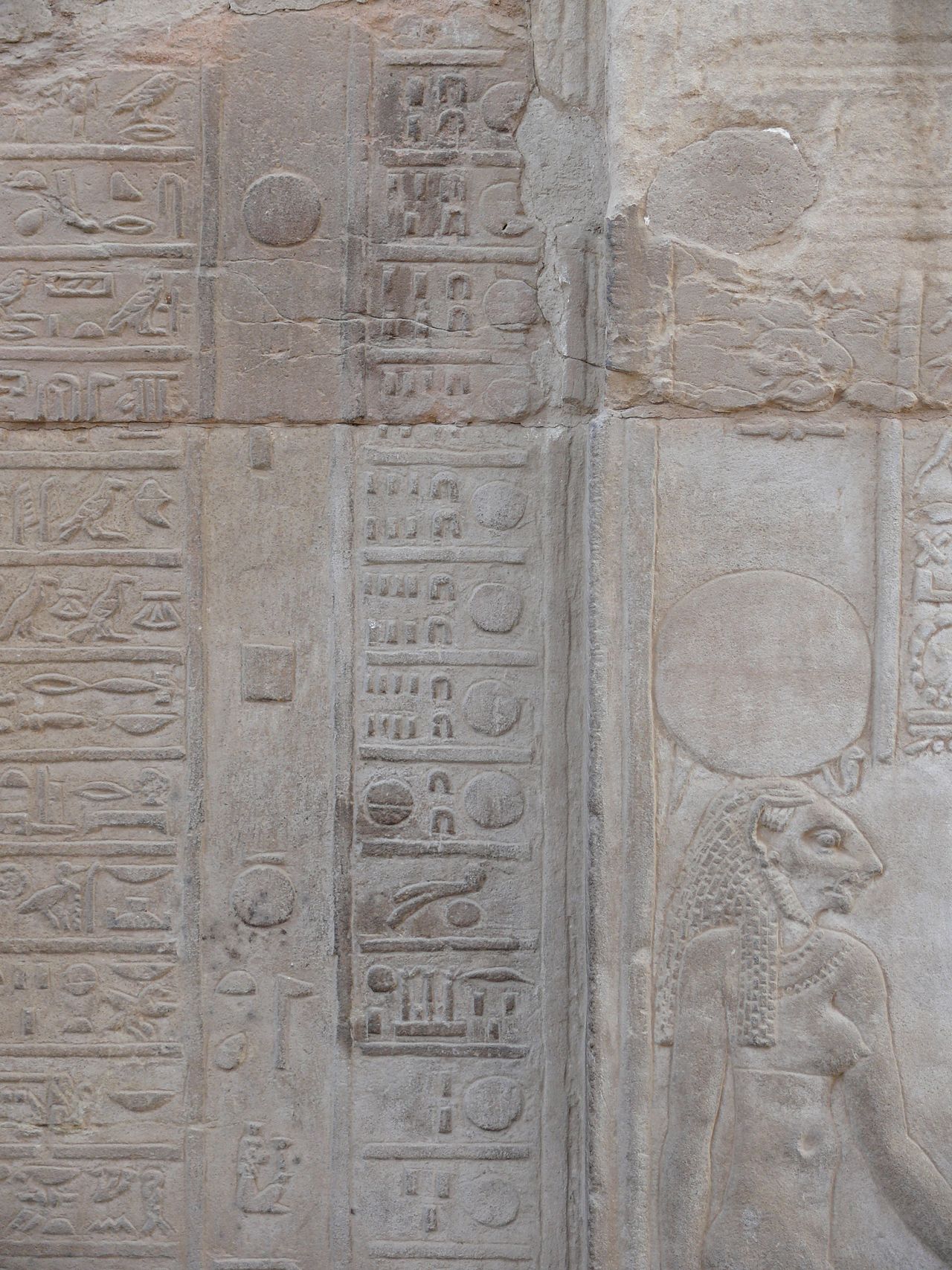
The Egyptian calendar was a solar calendar consisting of 365 days divided into twelve months, crucial for agrarian activities and religious festivals in ancient Egypt.
Set reading age
View for Kids
Easy to read and understand
View for Students
Clear, detailed explanations
View for Scholars
Deep dives and big ideas
The Egyptian calendar was a special way for ancient Egyptians to track time! 🗓️ It was created over 5,000 years ago and was one of the first calendars ever used! This calendar was important for knowing when to plant crops and celebrate festivals. The Egyptians divided their year into 12 months, each with 30 days. They also had extra days to make a total of 365 days per year. The Egyptian calendar is known for being very closely tied to the seasons and the Nile River's floods, which helped farmers grow food. 🌾
The Egyptian calendar's months were divided based on the Nile's flooding cycle. 🚀The first month, Thoth, began with the new year! The months had a total of 30 days, making them long enough for special events. For example, the third month, Paopi, was when they celebrated the harvest. In total, the calendar had 365 days, which meant that they needed to readjust it each year. This was because the solar year doesn't fit perfectly into their calendar! 🌞
The Egyptian calendar was a big part of their culture! 🌍It helped organize daily life, religious practices, and major ceremonies. The calendar connected the people to their gods and the Nile River, which was vital for their survival. Festivals and holidays created a sense of community and tradition that was passed down through generations. The calendar was not just about time; it helped the Egyptians celebrate life and connect with their rich culture! 🎊
The ancient Egyptians were great astronomers! 🌌They watched the stars, especially Sirius, to figure out when their new year would start. The alignment of stars and natural events, like the Nile flooding, helped them create their calendar. They built huge pyramids and temples that faced important stars and constellations. This knowledge of the sky assisted them in understanding time and their place in the universe. ⭐
The Egyptian calendar was very helpful for farmers! 🌾Because it was based on the Nile River's floods, it instructed them when to plant and harvest their crops. The flooding brought rich soil that helped crops grow! The farmers relied on the calendar's months to know the best times to sow seeds for wheat, barley, and other foods. The agricultural success was crucial for feeding everyone in ancient Egypt and allowed cities to grow and thrive! 🌱
The ancient Egyptians loved festivals! 🎉One of the biggest festivals was called "Wepet-Renen," which celebrated the new year when the Nile would start to flood. It usually took place in July. They also celebrated many other special days, like the "Feast of Opet," when they honored the goddess Hathor. These festivals included music, dancing, and lots of yummy food! Egyptians planned these festivals using their calendar to ensure people came together to celebrate. 🎵
Did you know the Egyptian calendar helped inspire modern calendars? 🗓️ The 365-day year we use today comes from the Egyptian model! Many cultures across the world have their own calendars, but they follow a similar structure. The Egyptians were clever in observing the stars and seasons, and their calendar was one of the first to help people understand the year. Even now, we still celebrate many festivals at the same time as the ancient Egyptians did! 🎉
The ancient Egyptians started using their calendar around 4236 BC, which is super old! 📅They based it on the star Sirius, which they called Sothis. When Sirius rose in the sky, it signaled the start of the annual Nile floods in June. The Egyptians created this calendar to help them plan their farming and festivals. Over time, this calendar changed and became more organized. By 2700 BC, it was essential for daily life in Egypt and was used by everyone, from farmers to pharaohs! 🌟
The Egyptian calendar had 12 months, each with 30 days. 📆After the 12 months, they added 5 extra days called "epagomenal days." This made a total of 365 days! The months had really cool names like Thoth, Paopi, and Khoiak. The Egyptians also did not use a week system. Instead, they counted the days one by one! The calendar helped them keep track of time for planting, harvesting, and holidays. Each season was important for different agricultural activities! 🌿
The Egyptian calendar was unique, but it shared similarities with other ancient calendars. For example, the Mayan calendar and the Babylonian calendar also had 12 months! 🌎However, while the Egyptians had 365 days, the Mayans had a complex system of 365 and 260-day cycles. Each civilization created a calendar that helped them understand time and plan important events, just like the Egyptians did with their connections to the Nile River! 💧